
Computer science
Application for people with biological clock disturbance
Based on a study by mathematicians at the University of Michigan, USA, the Entrain application is designed for passengers on aircraft, night shift workers or anyone with…
Browse ScienceInfo articles and explainers related to Body.
5,425 published items.
Based on a study by mathematicians at the University of Michigan, USA, the Entrain application is designed for passengers on aircraft, night shift workers or anyone with…

Just like the idea of creating Frankenstein's monster by sewing the body parts of many different ordinary people, computer scientists are creating a virus software tha…
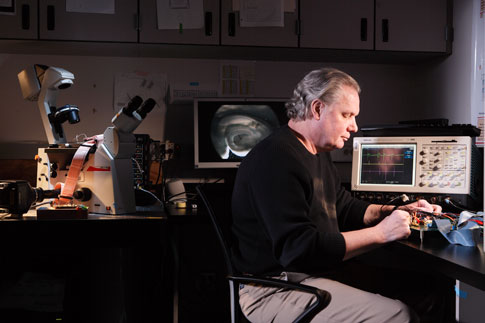
Scientists at Georgia Tech University (USA) have studied a type of chip generated by the operation of the human body. In the future, the chip could be used to power mobi…
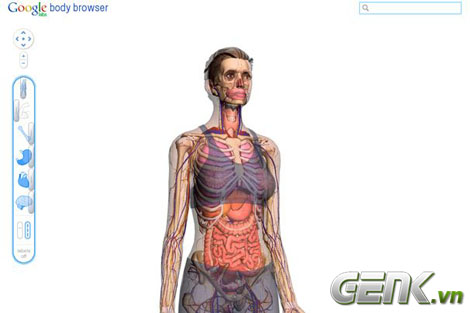
As you know, Google currently offers us a lot of utilities, especially the two Gmail services and the Google search engine. But that is certainly not the end goal that t…


An Internet-based television service (IPTV) that uses body language and a hearing-impaired audience has just officially launched in the UK.
This year, important sporting events like the Winter Olympics in Turin (Italy) or the 2006 World Cup in Germany have become
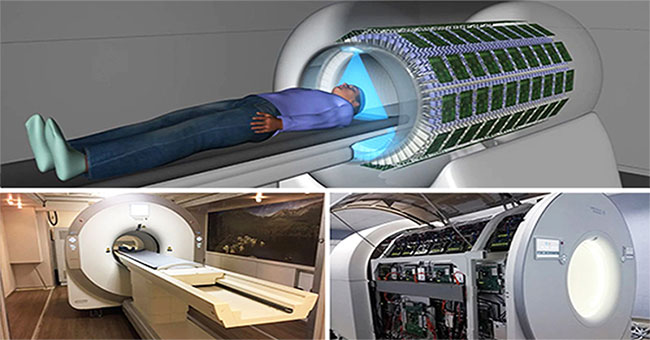
In less than 30 seconds, EXPLORER can scan full-body 3D at a level of detail and use significantly lower radiation doses.
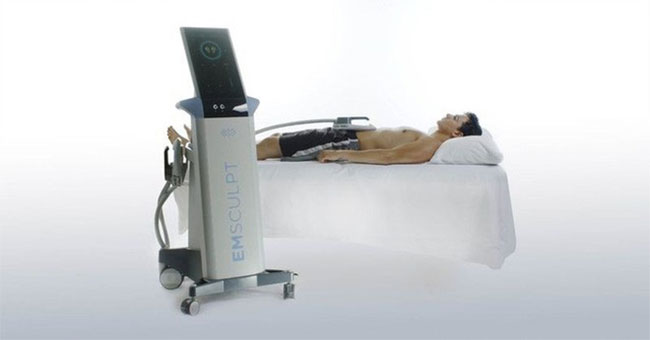
Exercise while sitting in one place (more accurately lying down), why not? EMSculpt, a new machine approved by the US Food and Drug Administration (FDA) has done that.
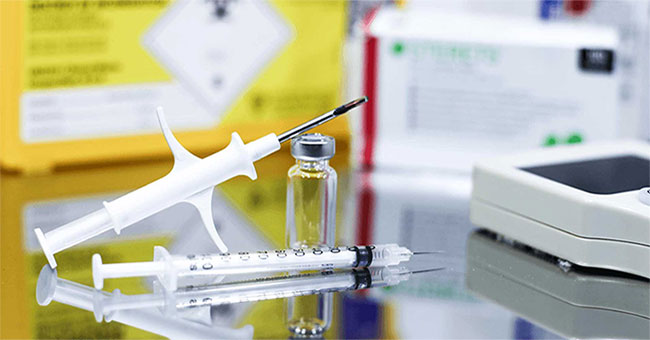
BioTeq - a British technology startup - is now being hired by other businesses to implant RFID (microchips) onto employees to access buildings and access databases.
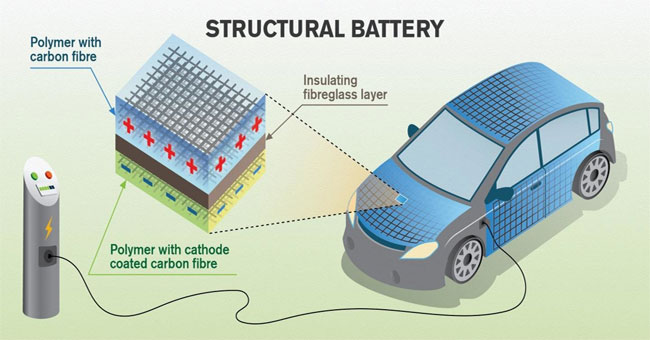
This finding opens up opportunities to create batteries with new structures, in which carbon fiber will become an important part of the energy system.
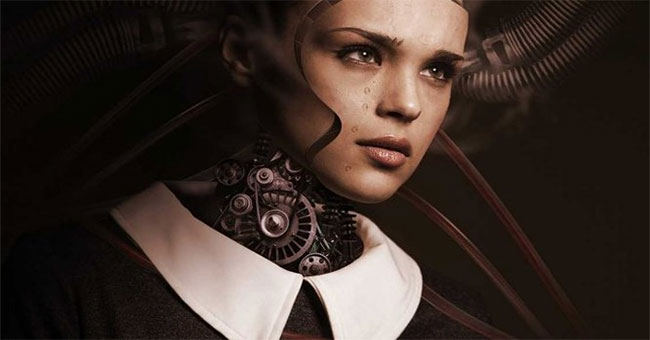
People are always looking for ways to not die. It is a strong survival instinct. Everyone wants to eliminate all illnesses and prolong life.
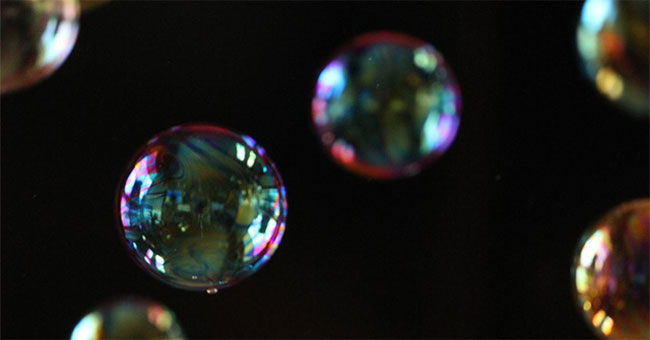
These bubbles have a lifetime of tens of minutes.
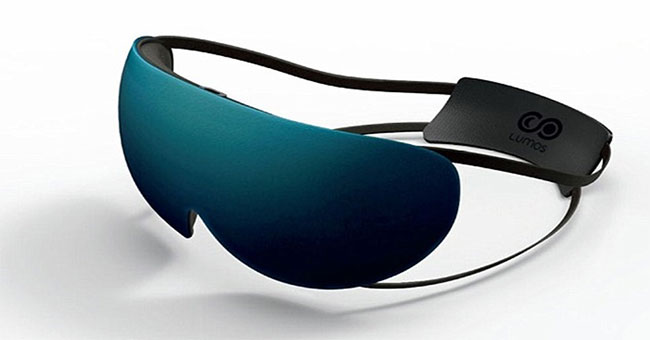
This high-tech sleeping visor uses flash technology to adjust your daily bio-rhythm by sending pulses of light when you sleep.
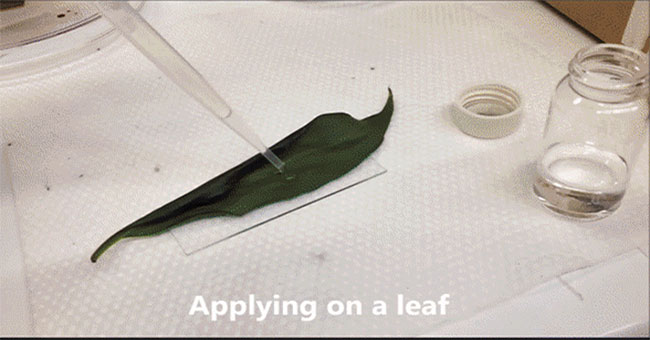
Scientists from the Massachusetts Institute of Technology (MIT) have successfully built a robot that can power itself without a battery just as small as a human egg cell.