New technology
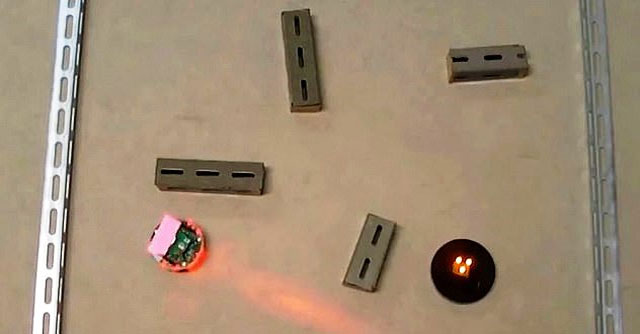
The world's first 'thinking' robot developed from brain cells
A team of Japanese scientists have built a robot with brain-like neurons to teach it how to think like a human.
Browse ScienceInfo articles and explainers related to Brain.
2,956 published items.
A team of Japanese scientists have built a robot with brain-like neurons to teach it how to think like a human.

After a long period of research, the scientists created a separate number table that allowed patients to work normally.
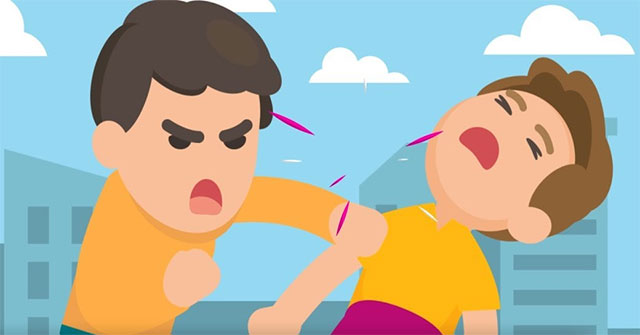
You've probably seen boxer matches beaten in the face, dizzy and faint in place, we often call it knock out. So why was knocked out and what happened during that time? .…

While sleeping, our bodies tell themselves not to care about the surrounding noises, movements and smells so we don't wake up. This decision is controlled by the brain.
In 1954, a kidney transplant was the first successful organ transplant in a Boston hospital, and in 1963, the first human lung transplant was performed at the University…
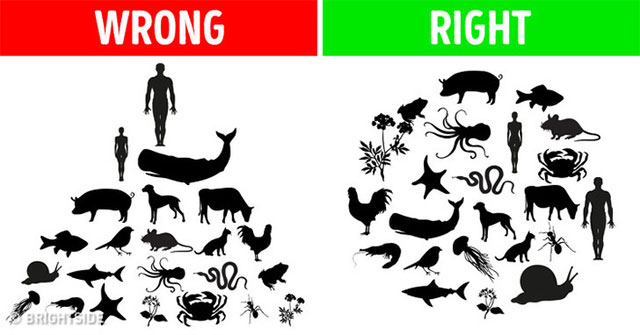
There is a lot of knowledge that was once misunderstood by the vast majority of us, scientifically proven but you may not have grasped it.

A recent study in mice and human tissue found that the HIV virus could lurk in the brain even when patients were being treated with antiviral therapy.
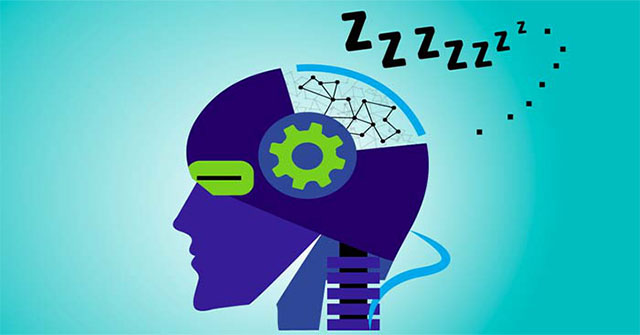
Just like an overworked computer, the artificial intelligence system needs a nap.
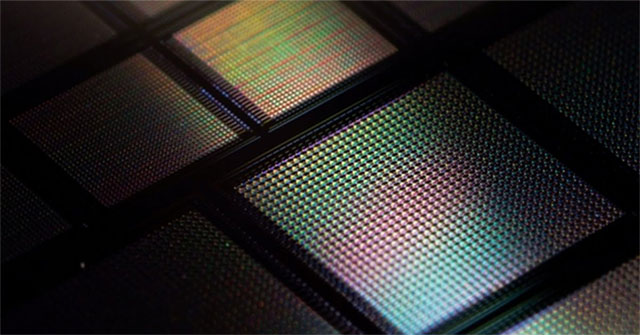
With this technology, artificial intelligence will be stored in a smaller space but much smarter.
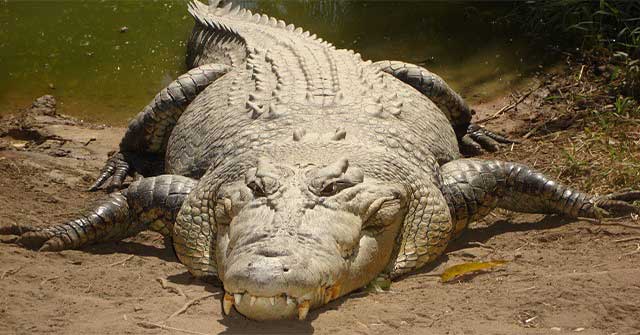
Crocodile is a reptile living underwater. Thanks to their large size, strong jaws, they are one of the most feared predators on Earth.
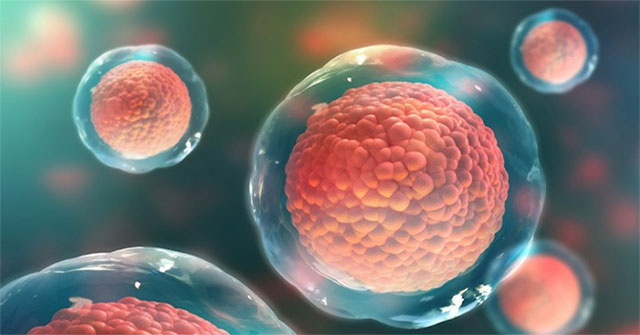
Scientists have been trying to find the answer to this question for a long time. The good news is that after years of research, we now have some idea of the mechanism…

Scientists have found a way to deliver images directly from the camera to the brains of the blind.
Researchers at MIT have successfully developed a type of 'memristors' artificial synapses with the most powerful processing performance ever.
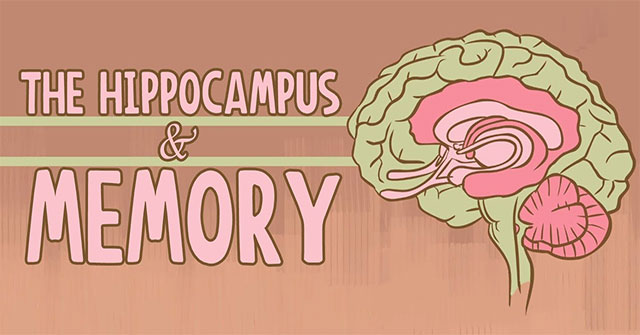
What happens in the hippocamp even before people try to form memories can affect whether they remember it or not.
In our time, falling into negative emotions or stress states (inhibition, stress) is relatively common in life.