
Science invention
Study while sleeping
The sleepy students will surely feel excited when they know the type of pillow helps people acquire knowledge in their newly born sleep.
Browse ScienceInfo articles and explainers related to Brain.
2,956 published items.
The sleepy students will surely feel excited when they know the type of pillow helps people acquire knowledge in their newly born sleep.

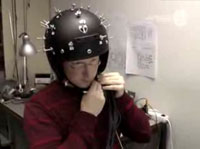
Scientists at the Technical University of Braunschweig (Germany) have created a new device that enables people to use thought to control objects.
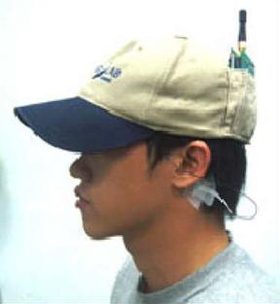
It looks like a regular baseball cap. But when worn, this hat can detect and analyze an electroencephalogram (EEG) signal from the brain. It even tells you if you have it
American physicists have developed a very handy device with enough sensitivity to record magnetic fields from electrical signals in the brain. With a small cell covered…

Electronic noses can come in contact with chemical odors that are harmful to humans. In addition, the researchers also tried to build electronic noses to send and
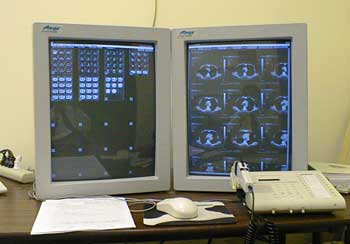
Today computers have become very popular in every social activity. But more than 30 years ago, the successful study of computerized layered tomography (VTCLPT) opened a…
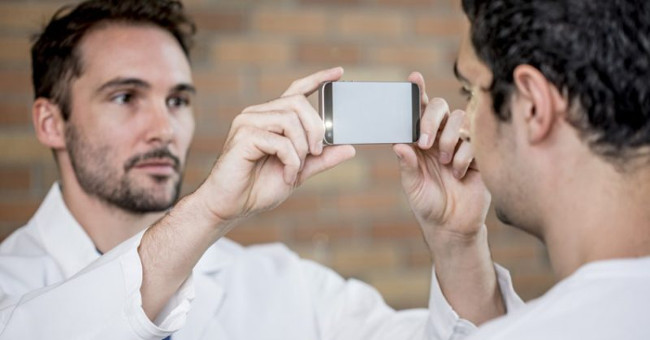
PupilSceen is considered an artificial intelligence that can quantify changes that cannot be seen with the naked eye.

Ben Goertzel, chairman of the Institute of Artificial Intelligence Research (USA), said: 'The Internet is operating quite similar to our minds. Perhaps it will reach the…
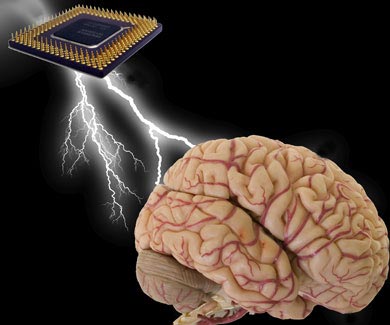
A computer has been trained to 'read' people's thoughts by looking at the brain's endoscope when they think about specific words, researchers said last Thursday.
A fanciful dream of using thought to control things is now within human reach, thanks to two research works on computer-brain interface technology about to be published…

Computer systems have been and will be very helpful in life as well as in other areas of people. But despite strong growth over the last decades, these systems still hav…
A microchip that uses millions of electronic neurons and 256 million synapses can usher in a new era of increasingly smarter computers.
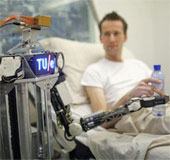
RoboEarth, the name of the World Wide Web (WWW) for robots to learn from each other and share information for the first time on January 14. A common brain for all robots…
The world's fourth most powerful supercomputer