
Cancer
Helicobacter pylori bacteria may be the culprit causing Parkinson's disease
Brain cells may be victims of Helicobacter pylori, a bacterium that has been identified as the culprit in ulcers and stomach cancer in humans.
Browse ScienceInfo articles and explainers related to Brain.
2,956 published items.
Brain cells may be victims of Helicobacter pylori, a bacterium that has been identified as the culprit in ulcers and stomach cancer in humans.

Although the conclusion of WHO is still controversial, but in fact, the scientists also agree that the level of high phone radiation has a great impact on the health of…

The study published in the American Journal of Clinical Nutrition released in October said tea and coffee ...

Many studies need to be done immediately to determine the possibility of using a cell phone may increase the risk of brain cancer.

The poison from a Middle Eastern scorpion has been developed into a drug that injects the brain of a patient with brain cancer.

US scientists have identified three types of genes involved in the process of breast cancer cells spread to the brain.
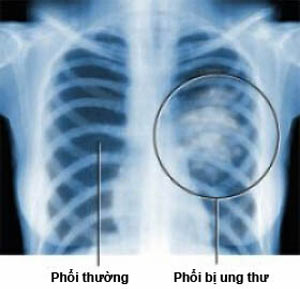
According to Dutch experts' research, prophylactic radiation therapy for the brain not only significantly reduces the risk of lung cancer spreading to the brain, but als…

Previous studies have demonstrated that farmers who use a lot of pesticides are at a higher risk of developing Parkinson's disease. French researchers at the University…
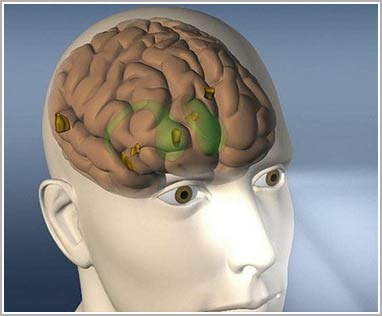
US pharmaceutical company Northwest Biotherapeutics has said it was allowed to launch the first Swiss vaccine against brain cancer. The Swiss Institute of Public Health…
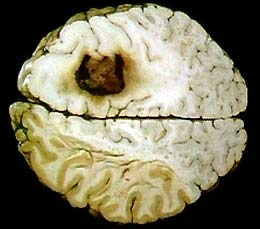
People with glioma, the most dangerous type of brain cancer, can be treated with a vaccine derived from the patient's own proteins. People with glioma only live about 6…
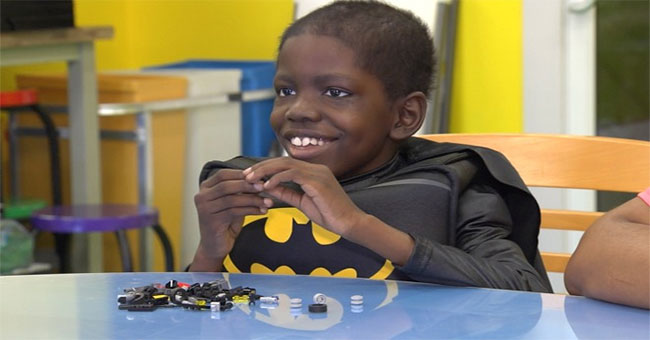
Cameron Scott is completely healthy after a year of treating brain tumors by decoding the sequence of cancer genes.

For more than 200 years, scientists have been constantly trying to find the relationship between brain and intelligence.

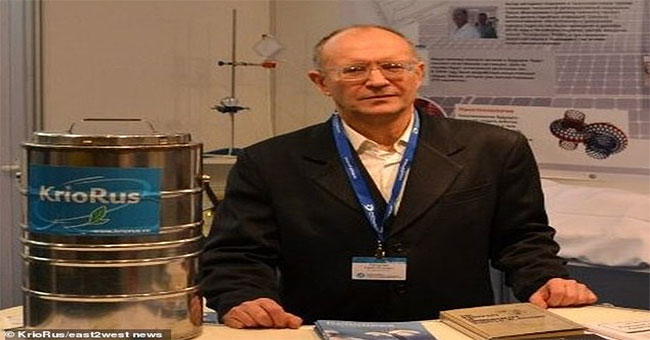
According to Daily Mail, Russian scientist Yuri Pichugin died at the age of 67 last month because of a heart attack after going out to cold 7 degrees Celsius.
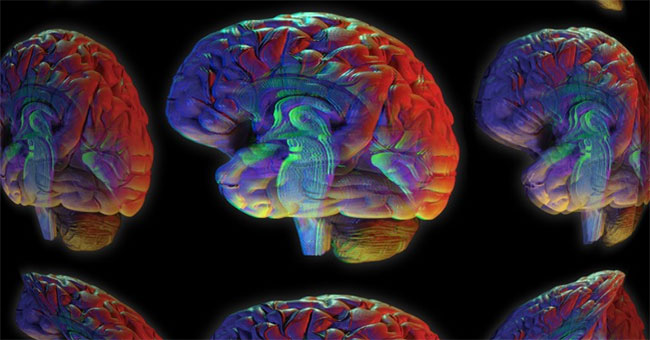
When a person falls into a coma, they lose all motor functions. Brain activity slowed down significantly.