Discover science
Discover the mechanism of judgment and trust
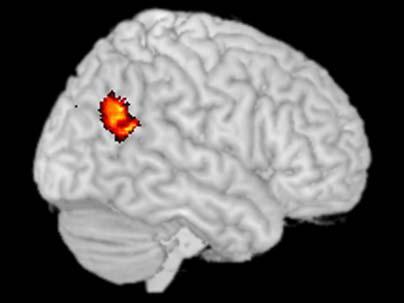
How do we know what other people are thinking? How do we judge others and what happens in the brain when we do that?
Browse ScienceInfo articles and explainers related to Brain.
2,956 published items.
How do we know what other people are thinking? How do we judge others and what happens in the brain when we do that?

Emotional memories of tragedies in life such as accidents, wars or serious diseases are stored for a long time in the brain. This makes effective treatment difficult. Re…

Scientists have discovered that the age of adults is like a jet full of passengers taking off, while the test equipment and the pilot system are still hastily assembled…

A group of scientists from England and Japan have discovered why birds start singing when spring comes.

The confession will become more effective if it is said in the person's left ear. Anger, comedy or pitching will also have a stronger impact if done in the same way.

British researchers have found that babies who hear foreign languages in the first 9 months of their life will be more receptive to foreign languages when they study…

An article in the May issue of Cell Metabolism (a edition of Cell Press) suggests that there is a hormone in the intestine that makes people crave food by making food lo…

Napping is not only a habit in many countries, but it is also a biological response to lunch.

We learn from our own mistakes, but according to recent research, what we learn is how to make more mistakes.
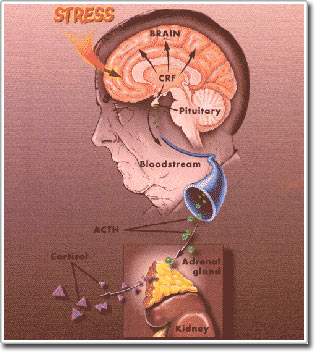

In an experiment with mice, scientists found that the brain can recognize calories in food independently of the taste mechanism. The brain's sensory system activated by…
A new study by scientists at the University of California Davis has demonstrated how short-term working memory works, the part that controls the brain joins sensory info…

Dyslexia affects different parts of the child's brain depending on whether the child is nurtured in an English or Chinese speaking environment. This finding was posted o…
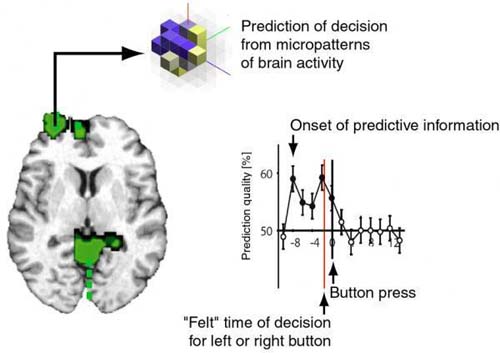
Contrary to what we still believe, decision making can be a process due to the fact that mental activities unconsciously control the majority. A group of scientists have…
The monotonous repetitive tasks push our brains into the state