Archeology
Evidence of 'brain drain' in ancient Egypt
An ancient coffin with strange decorative drawings reveals much of the chaos of ancient Egyptians 2500 years ago.
Browse ScienceInfo articles and explainers related to Brain.
2,956 published items.
An ancient coffin with strange decorative drawings reveals much of the chaos of ancient Egyptians 2500 years ago.
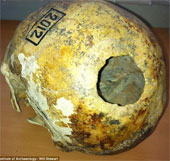
Scientists have discovered evidence of brain surgery on two skulls dating back more than 2,300 years.
Archaeologists have excavated the Norwegian skull about 8,000 years ago, which may contain the most ancient ruins of the human brain.
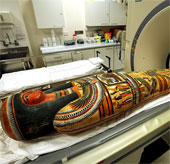
This woman died at age 30 - 40, about 1,700 years ago. According to the technique at the time, all brains and organs had to be removed before embalming.
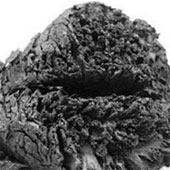
A 4,000-year-old human brain has just been discovered by scientists in western Turkey in a well-preserved condition.
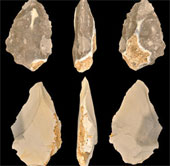
Researchers from the University of Liverpool, UK, conducted brain activity tests of 10 stone tool production experts. Participants were asked to perform a tool-making ex…
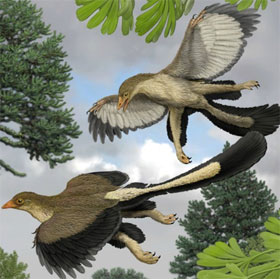
A study published recently in Nature shows that many dinosaurs have the ability to fly, not just Archeopteryx, a feathered dinosaur that is still considered the ancestor…

The new theory of evolution is highly controversial, including the hypothesis that human ancestors were aquatic primates that had more authentic evidence.
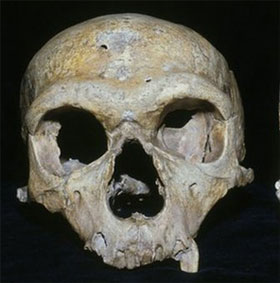
A study of Neanderthal skulls reveals that, like this person, extinct because of having bigger eyes than modern humans - our ancestors.
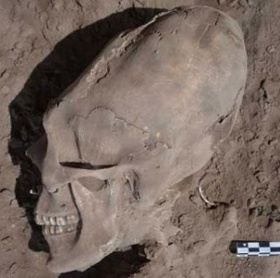
Each archaeological discovery contains a lot of surprises, even bizarre, from the alien skull to the book of Death.
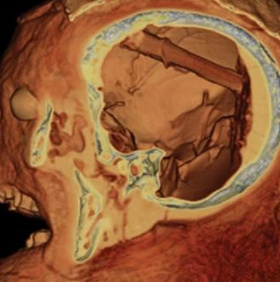
Scientists found the tools that ancient Egyptians used to brainwash dead people in a female mummy dating back to about 2,400 years.

Stegosaurus, a plant-eating dinosaur, lived in the late Jurassic period (about 155 million to 150 million years ago), mainly in the northwestern part of North America, b…

Fossils discovered in mudstone in Yunnan Province, China are Fuxianhuia protensa, ancient ancestors of arthropods today. They appeared in the Cambrian period dating back…

Now, researchers believe that they have explained the missing link in the evolutionary chain: a double gene named SRGAP2, which appears in the gibbon population about 2.…
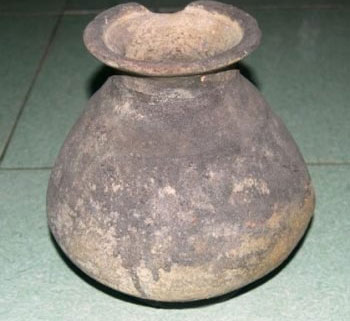
An ancient vase is defined in the early days of Champa culture (192-1306 SCN), dating from the 5th century.