Space science
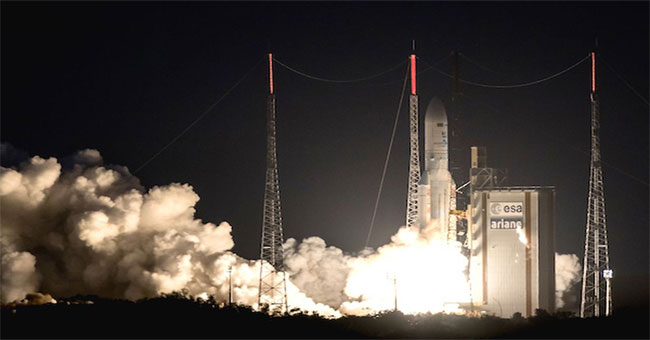
Brazil's first geostationary satellite went into operation
According to a reporter in South America, on July 6, the Brazilian government said that the first geostationary satellite serving the country's defense and communication…
Browse ScienceInfo articles and explainers related to Brazil.
169 published items.
According to a reporter in South America, on July 6, the Brazilian government said that the first geostationary satellite serving the country's defense and communication…
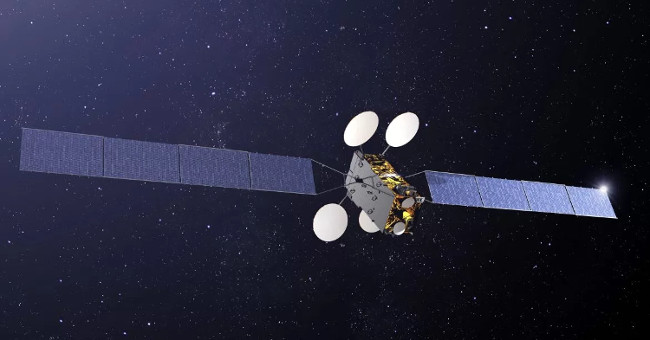
On March 21 (local time), Brazil launched a geostationary satellite for its first defense and communication work, called SGDC-1.
The Brazilian Ministry of Science announced that a satellite co-produced by China and Brazil, launched by China, did not reach the orbit as expected but fell back to ear…

Brazil became the first country outside Russia to receive part of its satellite navigation system, called Glonass, according to the Associated Press on February 20.
On January 20, during the meeting with Ukrainian Foreign Minister Konstantin Grischenko, who was visiting Brazil, the host country co-owner Antonio Patriota reaffirmed t…
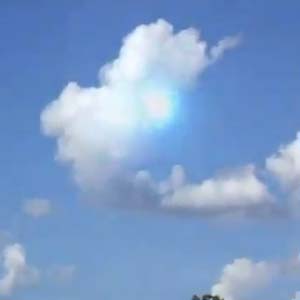
Brazilian media simultaneously reported on an unidentified object (UFO) flying on the Sao Paulo state airspace yesterday.

On December 17, the world was shaken by the news that the two South American countries Brazil and Argentina successfully launched the VS30 rocket to bring scientific res…
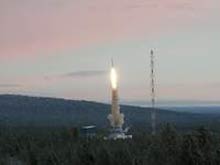
On July 19, Brazil successfully launched an exploration rocket. This is the second successful launch, last time took place 14 months ago. The flight lasted for 20 minute…

Lieutenant Colonel Marcos Pontes became the first Brazilian to fly into space after successfully launching Russian Soyuz from Baykonur. You will spend nine days on the I…
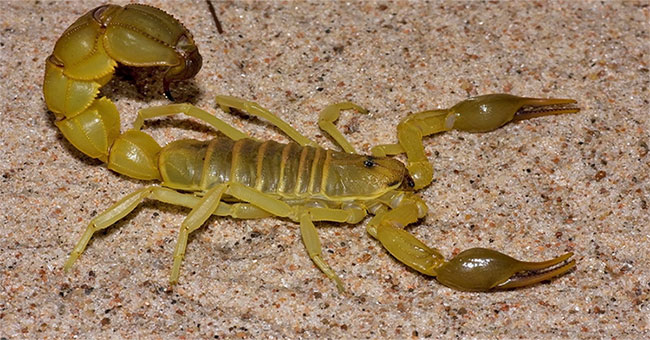
According to Newsweek, the number of dead scorpions in Brazil increased to 184 in 2017, nearly three times higher than in 2013.
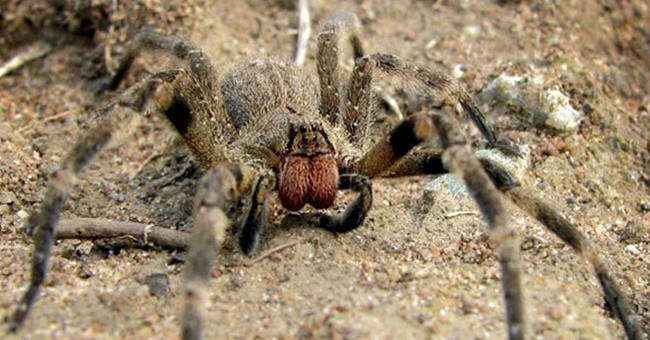
Brazilian wandering spider is considered the most dangerous venom spider in the world today.

In the southern tropical forests of Brazil, there is a species called the lazy clown by the locals, the scientific name is Lonomia.
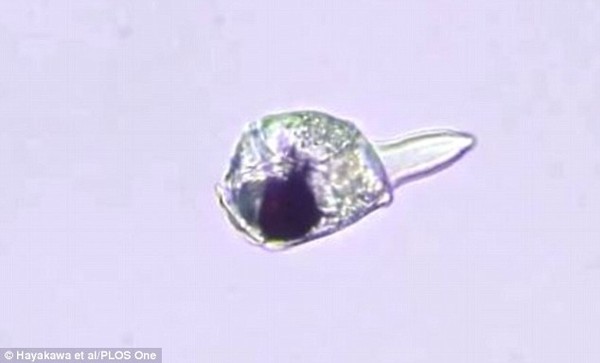
Scientists at the University of São Paulo in Brazil recently discovered the world's most exotic predator - a tiny single-celled creature with no brain and only one eye a…
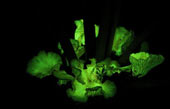
Bioluminescence can help fungi attract prey and spread spores in the natural environment.
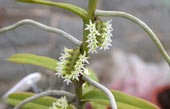
The world's smallest orchid has been found by a botanist in Brazil, with a petal size of only 0.5 mm.