
Environment
Clouds do not help slow climate change
A new study by US scientists has shown that the cooling effect of clouds has been overstated before.
Browse ScienceInfo articles and explainers related to CO2.
386 published items.
A new study by US scientists has shown that the cooling effect of clouds has been overstated before.

If CO2 momentum is released into the atmosphere as it is today, Earth's coral reefs will in turn disappear due to ocean acidification.

It is well known that the combustion of fuels like gasoline and oil releases a large amount of CO2 greenhouse gas into the environment.

If one day, climate change causes seawater to evaporate, the world of people and other species will really fall into a great crisis.

Restored tropical forests on reclaimed land for agricultural production and livestock grazing not only grow faster but also absorb a larger amount of CO2 than perennial…
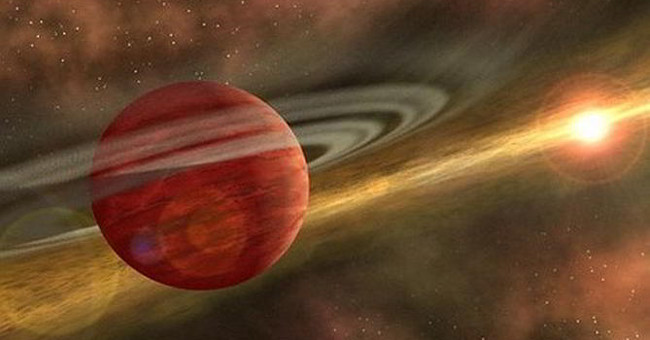
A strong greenhouse effect can make the planet too dry, detrimental to life development.
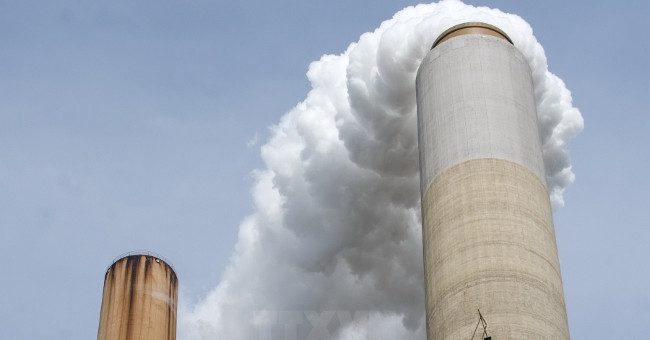
Norway on January 4 announced it will conduct a feasibility study on the idea of storing carbon dioxide (CO2) at three different locations outside the Norwegian contin…
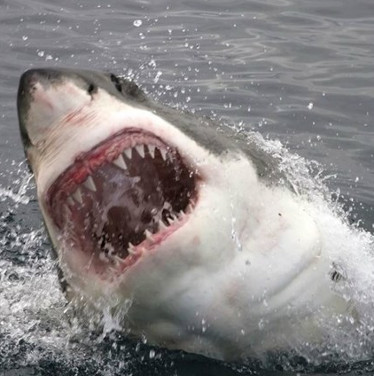
Australian scientists think that climate change will make sharks smaller and less thirsty

A study published by the Associated Press on October 26 said that if the state of CO2 continued to thicken, the temperature in the Persian Gulf (southwestern Iran) could

Global warming is forcing airplanes to withstand strong gusts of wind, and jolts from air turbulence.
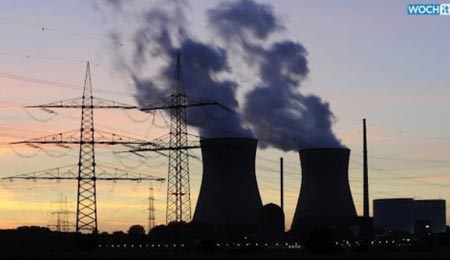
Towards the end of the COP21 Global Climate Change Summit, many countries have planned and sent reports on greenhouse gas reductions.
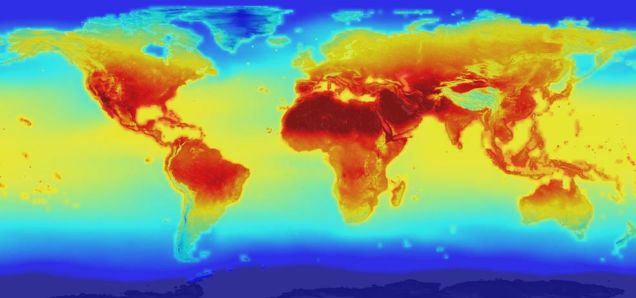
NASA's new data file shows the new perspective of humanity in 2100.

El Nino along with climate change due to human factors is the cause of abnormal hot weather this year.
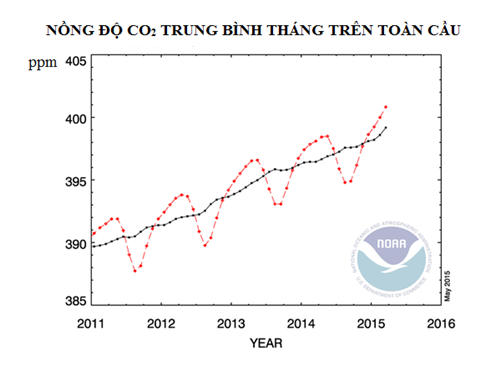
The global average CO2 concentration has exceeded 400 parts per million (ppm), something that has never happened in the last two million years.
A new video from the US Aeronautics Agency (NASA) described the process of causing greenhouse gas CO2 to spread throughout the world over a one-year cycle.