Biology
Create pure environment to feed stem cells
US scientists have successfully prepared a pure environment for stem cell culture and have used this medium to create two new human embryonic stem cell lines.
Browse ScienceInfo articles and explainers related to Cell.
3,353 published items.
US scientists have successfully prepared a pure environment for stem cell culture and have used this medium to create two new human embryonic stem cell lines.

Taiwanese scientists have successfully cultivated three pigs emitting fluorescent light in the dark, marking a potential turning point in stem cell research. The team in…

Scientists have tricked male fish cells - which are programmed to become sperm - to convert sex into eggs. This technique could one day be used to quickly create animals…

US scientists have just created mice that carry a small amount of human brain cells. The goal is to create real models for studying neurological disorders, such as Parki…
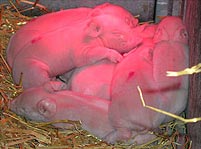
Italian researchers who created the first cloned horse yesterday announced that they have created 14 new cloned pigs. Animals were born a few weeks ago at the Reproducti…

The first Boer goat in the world to reproduce asexually from ovule cells was born on November 2 in Tianjin, China.
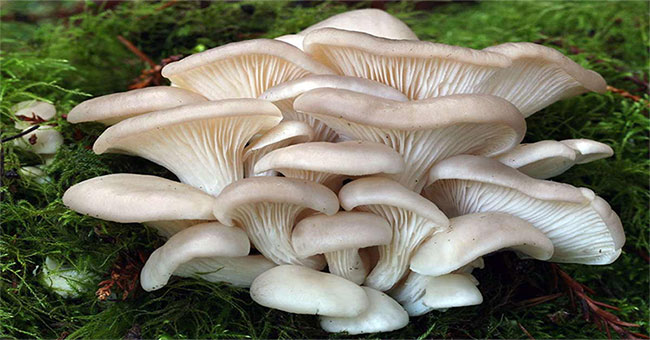
On the surface, oyster mushrooms don't seem to be dangerous. It is also an edible fungus. However, hidden behind that gentle look is a wise and most brutal predator in t…
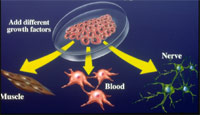
Associate Professor Nguyen Mong Hung and his colleagues from the Department of Biology, University of Natural Sciences (Hanoi) have succeeded in separating and cultivati…
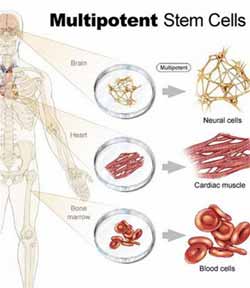
Scientists have found two new ways to create human embryonic stem cells without damaging the embryo. These two methods have been successfully implemented in laboratory m…

Scientists believe that research can provide hope for treatments for Alzheimer's disease.
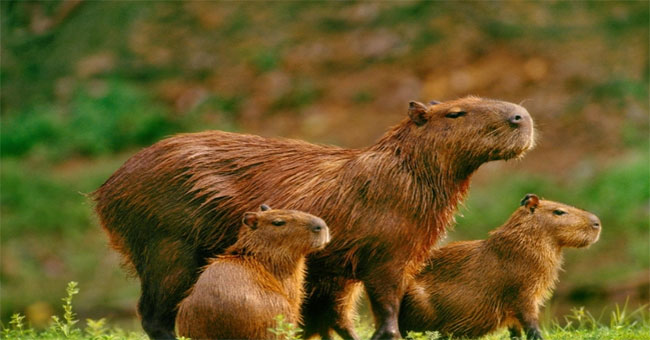
Scientists have explained how the body's large hamsters reduce the risk of cancer.
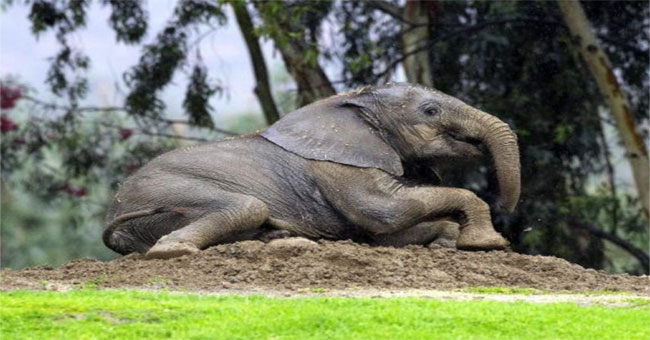
In a new article published in Nature Communications, scientists claim that these cracks are the outer bones of animals.
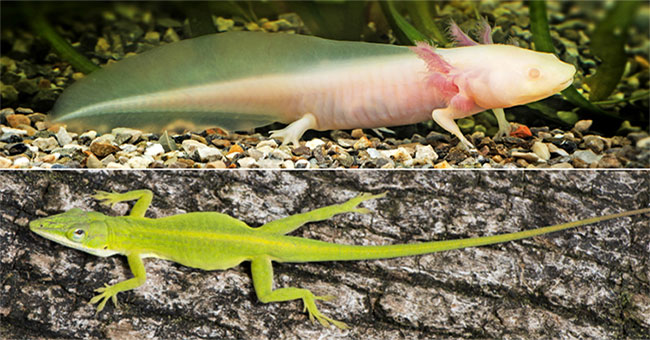
While salamander tails regrow almost like the original tail, both bone and everything, the cartilage's tail is full of cartilage and lacks nerve cells.
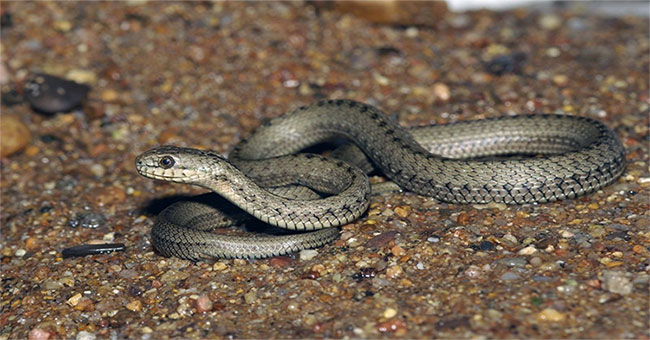
Researchers found that Tibetan snakes have genetic changes to survive in harsh environments.
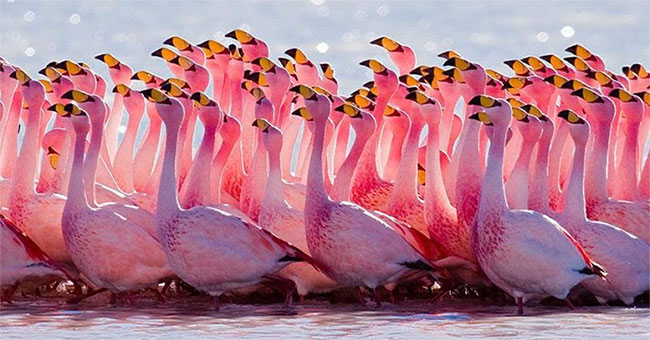
We often attach ourselves to the ability of lactating lactating milk to mammals. But mammals are not the only class that can secrete nutrients for young children.