Scientific works
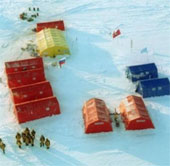
Russia relocated urgently the Arctic research station
The Russian government has announced it will spend $ 2 million to cover the cost of emergency relocation of a climate research station in the Arctic, according to RIA No…
Browse ScienceInfo articles and explainers related to Climate.
1,891 published items.
The Russian government has announced it will spend $ 2 million to cover the cost of emergency relocation of a climate research station in the Arctic, according to RIA No…

When Margaret Thatcher was British prime minister, she brought climate change, acid rain and environmental pollution into important issues in the UK and the world.

This is a stinging problem, around the equatorial belt - from 35 degrees north latitude to 35 degrees latitude south - most crowded in the world.
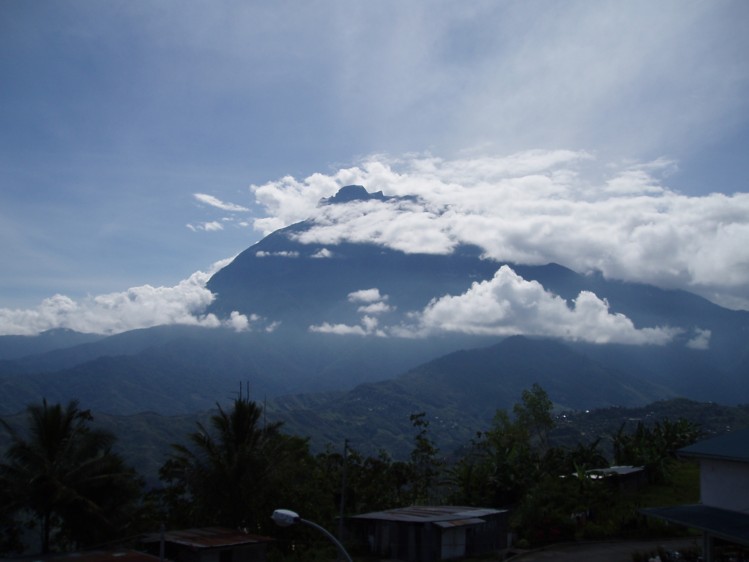
When three college students began their journey to catch caterpillars in 1965 on Mount Kinabalu in Borneo, they did not know that they had built the foundation for the s…
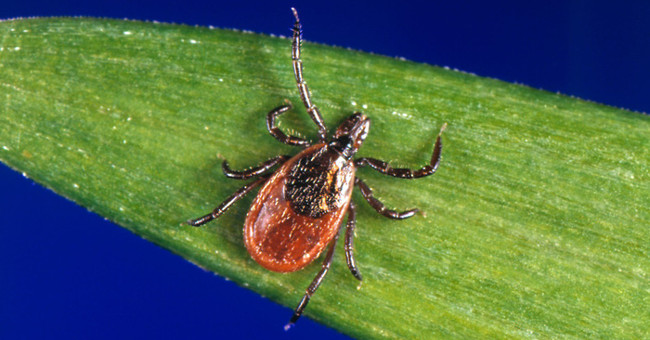
In just 17 years, humans have to cope with new epidemics such as SARS, Ebola, MERS, and most recently Zika.

A recent study by French scientists has looked at many aspects of humanity including: height, longevity and physicality.
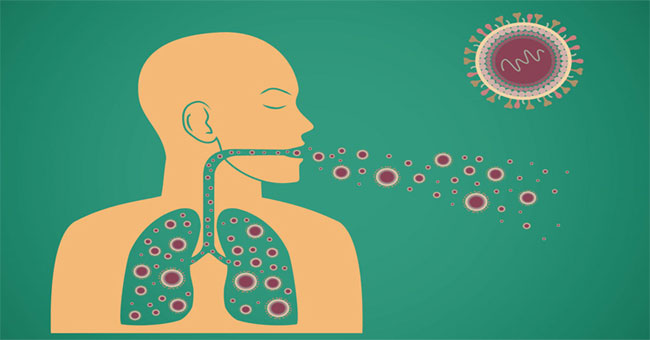
One could argue that these epidemics are actually not new, they have existed in human society for centuries but have only recently been known for scientific progress.
The lack of human genes causes humanity to continue to give birth despite the Earth's imminent feeding of a huge population that is rapidly increasing.
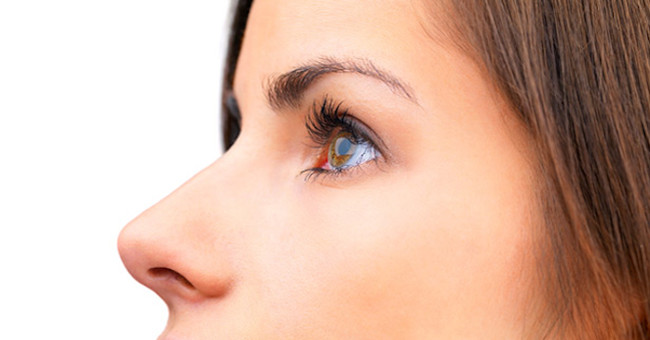
Analysis of a study showed that the width of the nostrils varies markedly with temperature and humidity, not genetic.
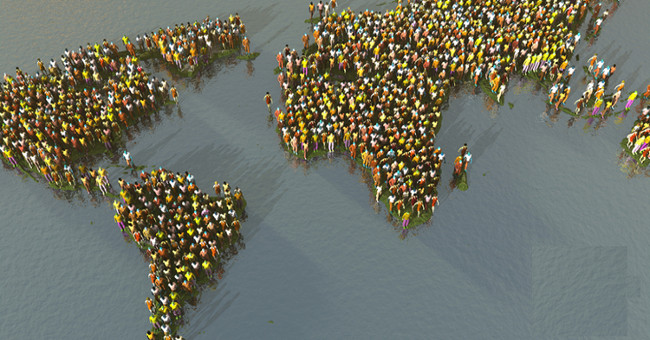
In the next 35 years, scientists estimate that the population on Earth will reach 9 billion.
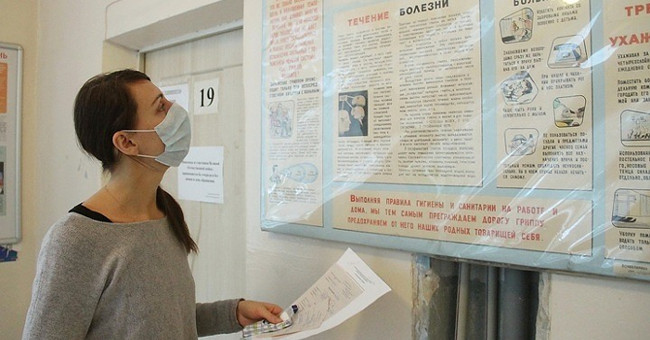
Russian virologists have embarked on the development of a vaccine against Zika virus, however, the virus itself is unlikely to break out in Russia.
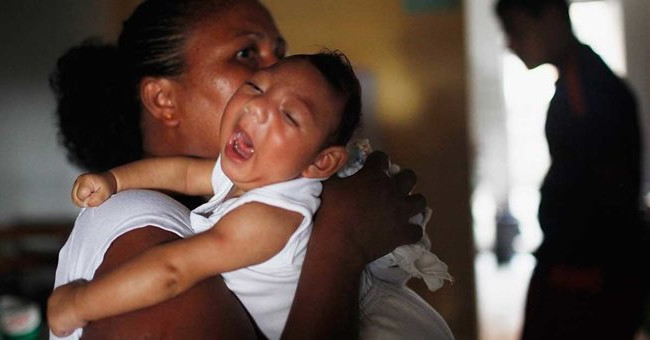
Population explosion, climate change, deforestation are the causes of humanity facing new dangerous viruses such as Zika, MERS and SARS.
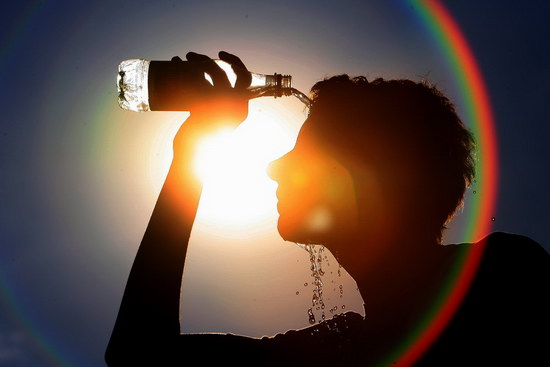
Overheating weather conditions will destroy the body's natural cooling system, causing damage and eventually death.

The tropical climate makes it easy to dampen your legs and smell bad. Because the more humid, the more bacteria grow. The following ways will help you solve this problem.