Discover science
Do you know 108 billion people were born on this earth?
Estimates published in 2015 by the US Census Bureau said that there have been 108.2 billion people born on Earth, 100.8 billion people died and now
Browse ScienceInfo articles and explainers related to Climate.
1,891 published items.
Estimates published in 2015 by the US Census Bureau said that there have been 108.2 billion people born on Earth, 100.8 billion people died and now
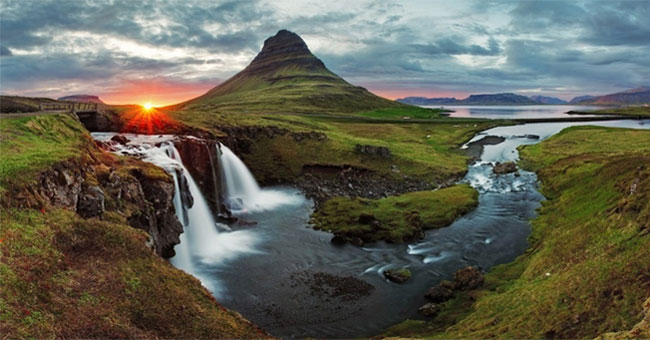
These two lands are not only opposite to the name, but even their nature is opposite.
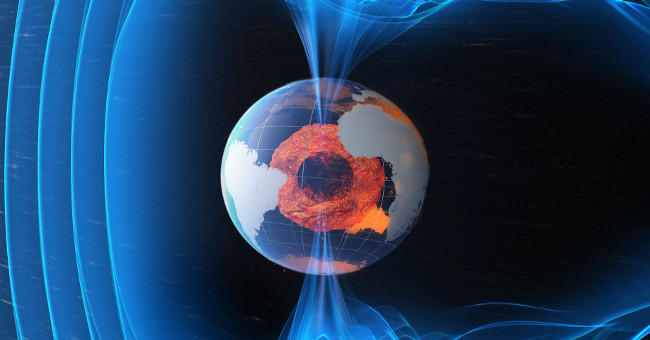
The Earth once had more than two magnetic poles in the past and the magnetism of the magnetosphere was much weaker than that of the Sun today.

In recent times, many types of electric supermarket systems have appeared
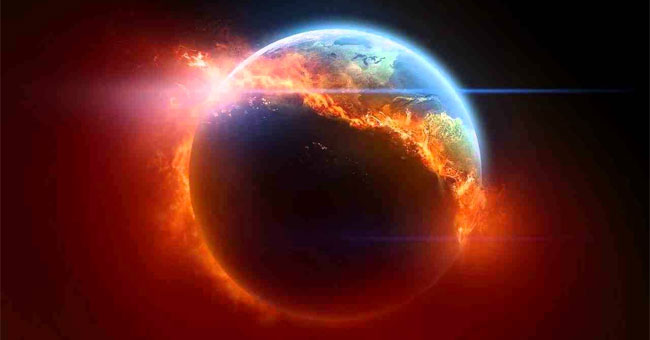
The impact of meteors, nuclear war, and artificial intelligence are the top three threats threatening to eliminate humanity.
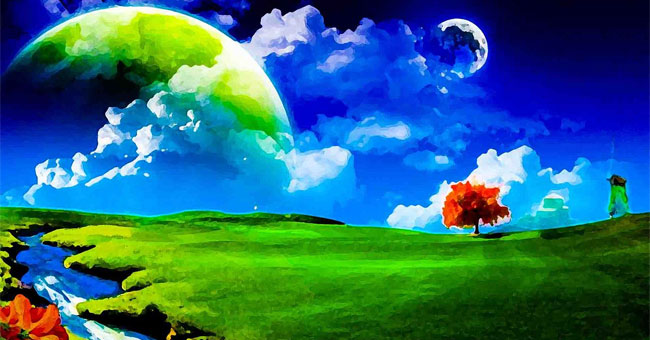
The study, published in the journal Nature Climate Change (USA), shows that CO2 itself contributes to the Earth's green color.
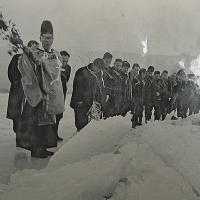
Although a proven phenomenon, the monk's elaborate record will contribute to eradicating doubts about global warming.
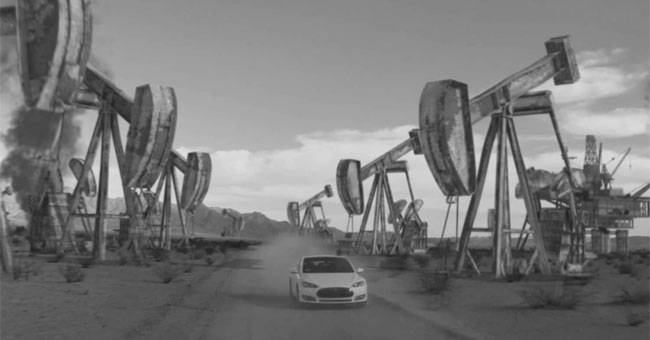
Tesla launches Model S ads with environmental and climate change themes, like a warning about environmental pollution and a strong emotional impact on viewers.

These are human traits that can evolve to deal with climate change in the future.
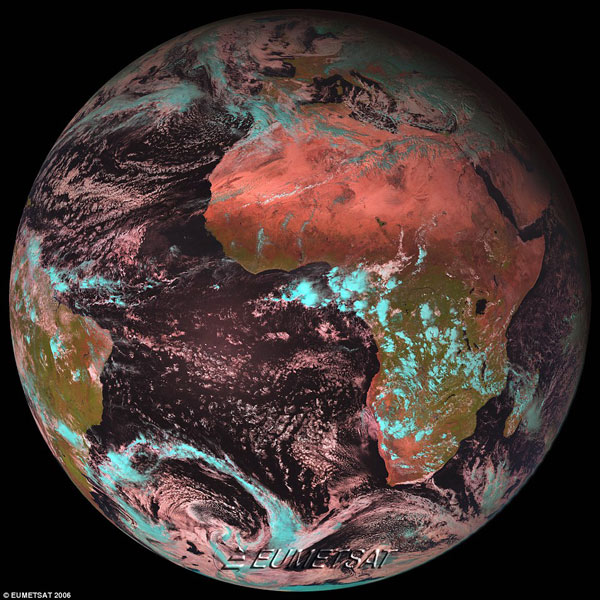
The new European Space Agency's (ESA) new severe weather tracking satellite, MSG-4, has just released the first image of the Earth - and it is a breathtaking spectacle.
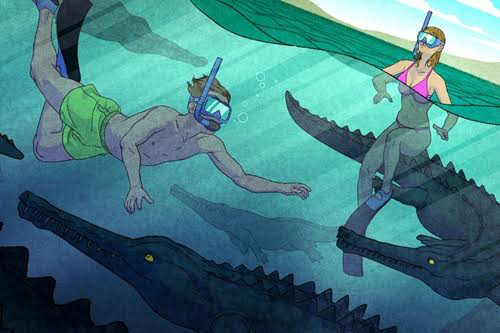
55 million years ago, the Arctic was covered with palm trees while each group of crocodiles swam under the water thanks to the super-powerful greenhouse effect that make…
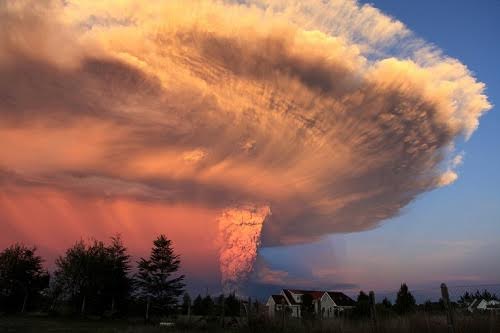
Volcanic eruptions have changed lives as well as human history for over 2,500 years, and are the cause of the coldest summers from 500 BC (BC) to 1000 AD. (AD).
Climate experts say the discovery of the thickness of the Antarctic ice sheet greatly helps the study of global climate change.
Climate models show that the Sahara desert seems to have formed about 7 million years ago, which is twice as old as it has been known for a long time.
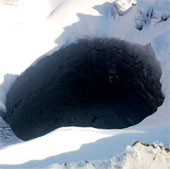
According to an American scientist, large amounts of methane released into the Siberia atmosphere may be related to large craters that appear mysteriously here.