Discover science
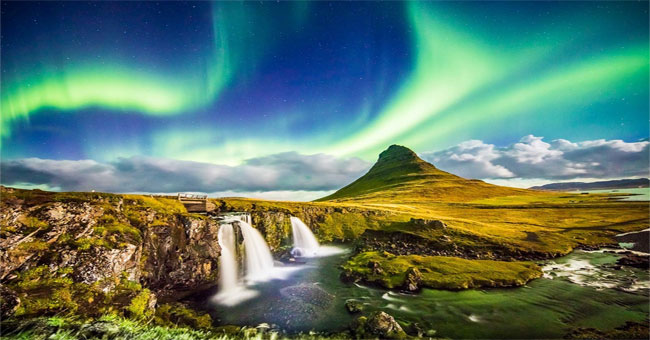
Want to see the sun all day without diving, go to Iceland!
In Iceland, there are days of the sun
Browse ScienceInfo articles and explainers related to Climate.
1,891 published items.
In Iceland, there are days of the sun
Nearly every country in the world has a positive carbon index - that is, the total amount of greenhouse gases emitted is greater than the amount of absorbed gas.
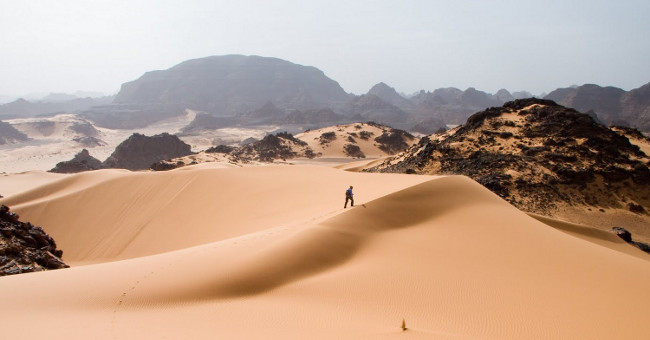
Recently, two scientists have come up with a shocking statement that the world's largest desert has expanded by 10% since the beginning of the 20th century, equivalent t…

We have always thought that nose shape is inherited, but now researchers have discovered a link between nose shape and weather.
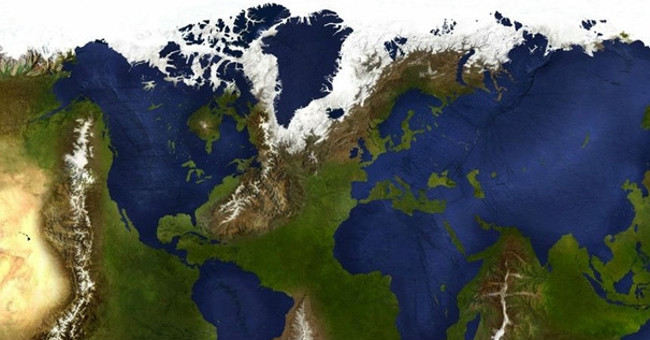
When the area of the ocean and the continent reverses, a series of events occur like the temperature of the Earth increases, the climate is reversed ... threatening th…
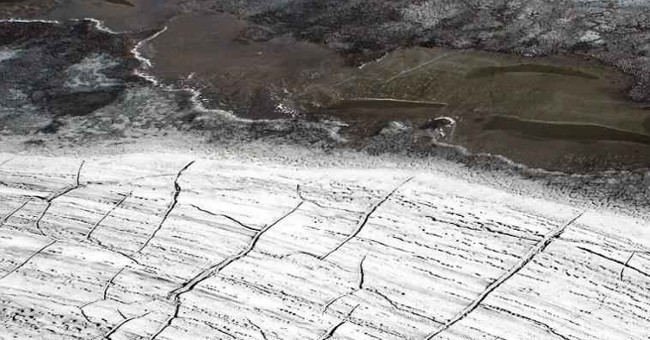
Believe it, the permafrost in the Arctic is currently storing a huge amount of terrifying mercury, twice the amount of natural mercury the planet has combined.
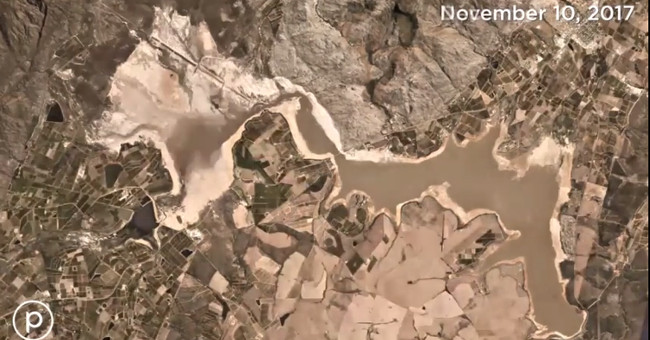
The latest images from NASA satellites for water levels at Theewaterskloof hydroelectric dam, the largest reservoir in South Africa's Cape Town capital are at an alarmin…
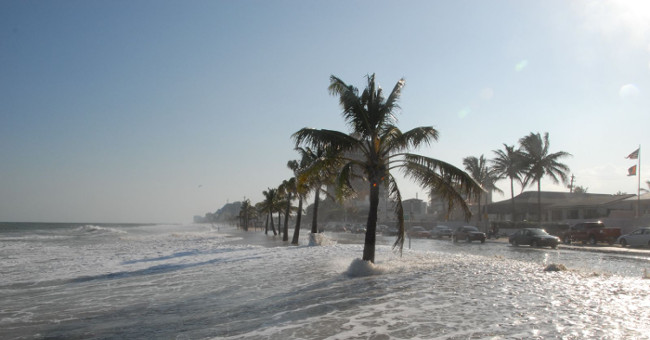
In the last 100 years, Earth's climate has warmed about 1.8 degrees Fahrenheit (1 degree Celsius). As a result, water overflows into ice sheets, ice sheets and glaciers…

Scientists do not know exactly how the two giant rocks appeared on the cliff higher than 15m.
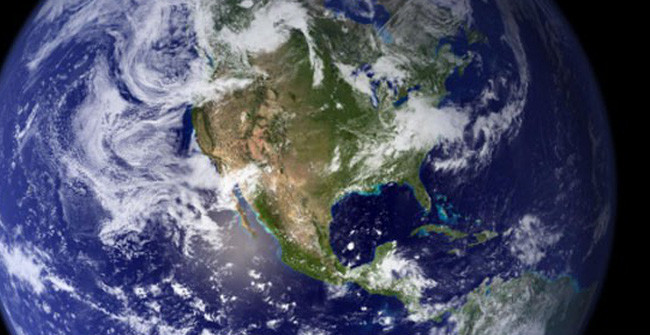
The US Aeronautics and Aeronautics Agency has published images of the entire Earth over the past 20 years, using data from a number of active satellites in the universe.
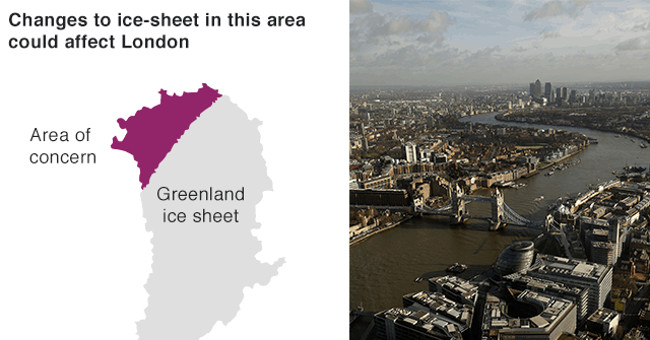
NASA has just released a tool to predict which parts of the world will be affected by melting ice in the poles and previously seemingly permafrost areas.
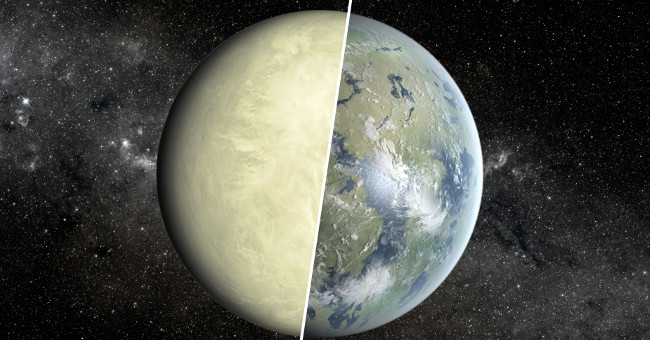
15,000 scientists around the world signed the report warning of the dangers facing the Earth.

The opinion of the scientific community is quite divided on this phenomenon, once known in 1974.

Certainly many people are confused between desert and desert. Even many people believe that desert and desert are one.
Antarctica is the place with the harshest climate in the world. But it turns out, here