Environment
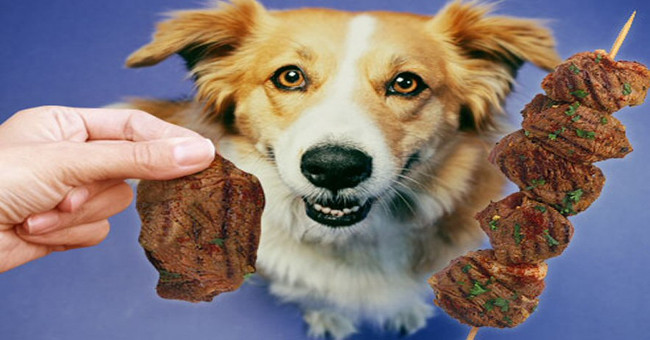
Our way of raising dogs is causing the Earth to warm up every day
A new study shows that even the way we feed cats and dogs can cause the Earth to warm up day by day.
Browse ScienceInfo articles and explainers related to Climate.
1,891 published items.
A new study shows that even the way we feed cats and dogs can cause the Earth to warm up day by day.
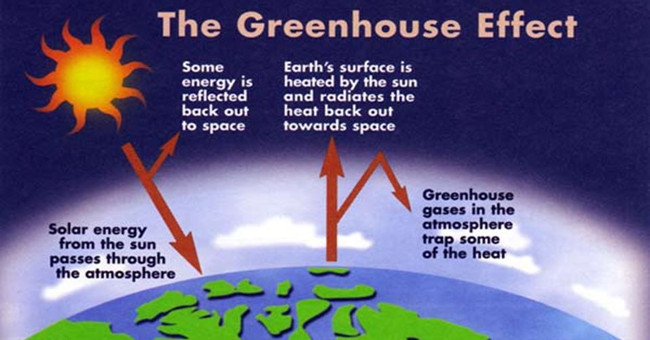
The greenhouse effect is the process by which certain atmospheric gases absorb and re-emit infrared radiation, slowing the loss of heat from Earth's surface to space. Wi…

Hawking said that the Earth could become the second Venus with the ocean depleted and acid rain due to climate change.
By using Big Data, Australian Meteorological Bureau scientists can accurately predict the weather a few years or even decades ago.
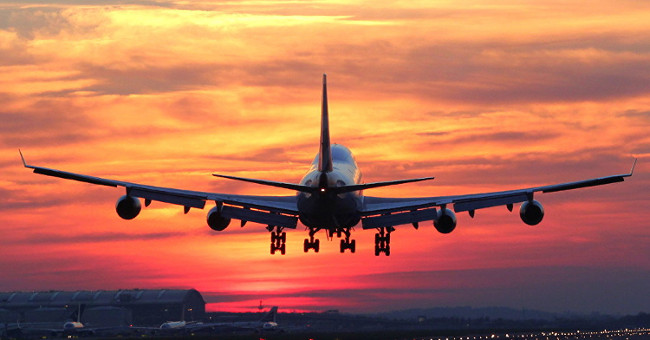
Research on the forecast that by 2080, the annual maximum daytime temperature at airports around the world will increase by 4-8 degrees C.

Billions of people around the world will face deadly heat waves by the end of the 21st century if greenhouse gases continue to rise.
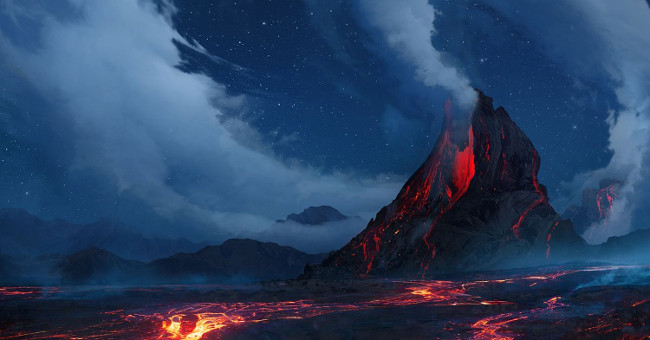
The high concentration of sedimentary mercury reinforces the rising dinosaur hypothesis that dominates the Earth after a series of volcanic events erupted 200 million ye…
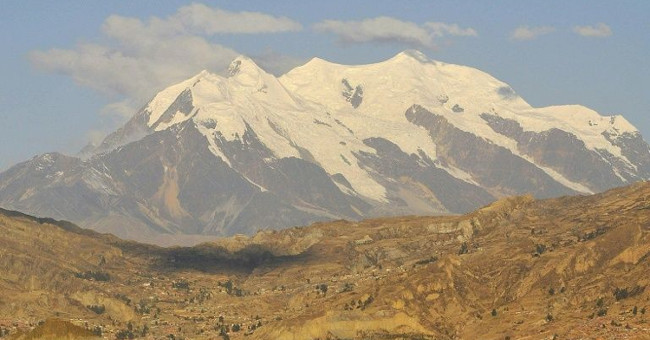
A group of 15 scientists from many countries around the world on June 21 completed the sampling of ice at Illimani peak, belonging to the Andes in Bolivia territory.

The climate of our country is very unique: the climate is hot but not dry like Southwest Asia, North Africa. Hot and humid but not hot and humid all year round as island…
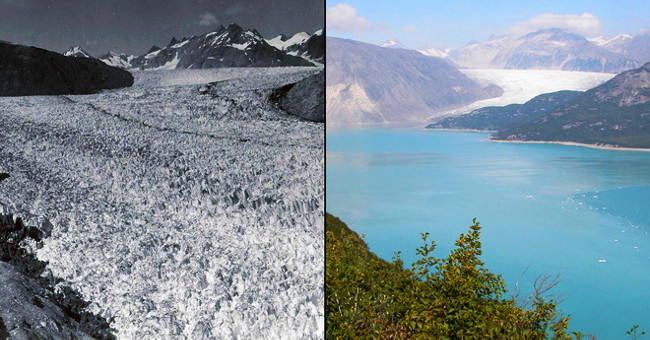
Beyond the time limit, but nothing has changed, the Earth's climate will be permanently irreversible. Act now, before it's too late.
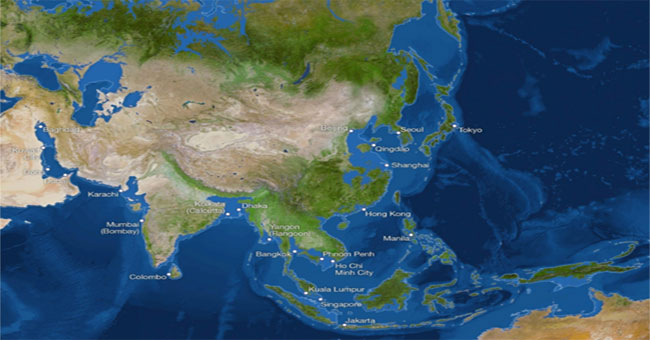
Many cities, including Ho Chi Minh City of Vietnam, may be submerged if the entire world ice melts because of climate change.
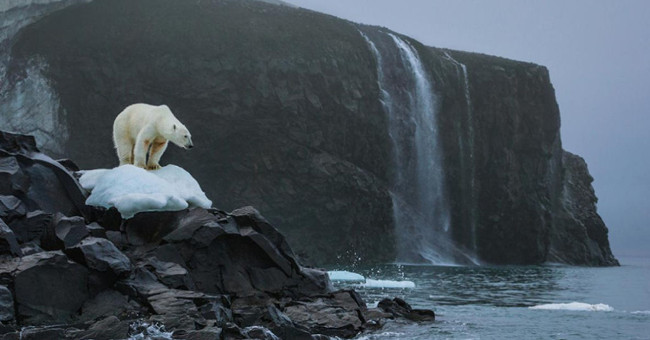
Global warming effect changes rainfall, increases coastal erosion, extends cultivation time, defrostes and outbreaks of disease.
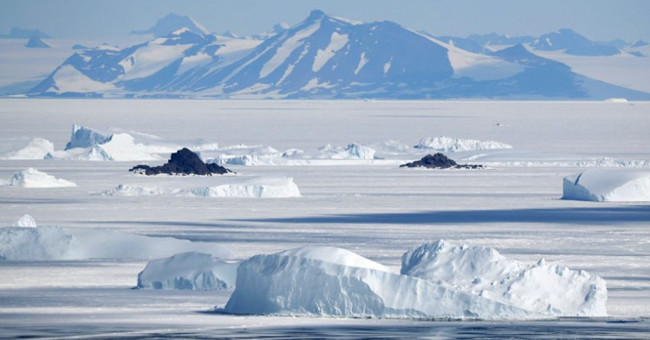
The green is gradually covering wider on the surface of Antarctica, which has never happened in the land all year round covered with this snow and white ice.
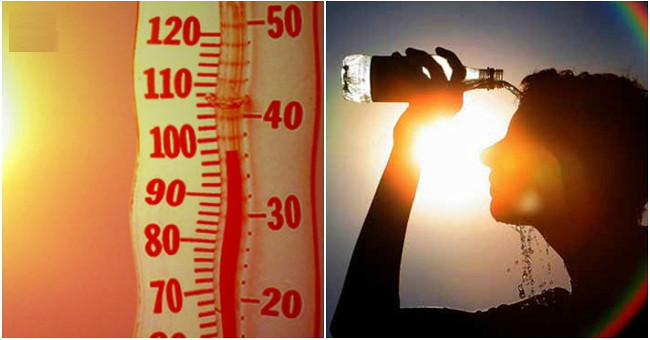
Under the dual effect of both global warming and urbanization, some cities around the world may have to witness an increase of 8 degrees Celsius by the end of the 21st c…
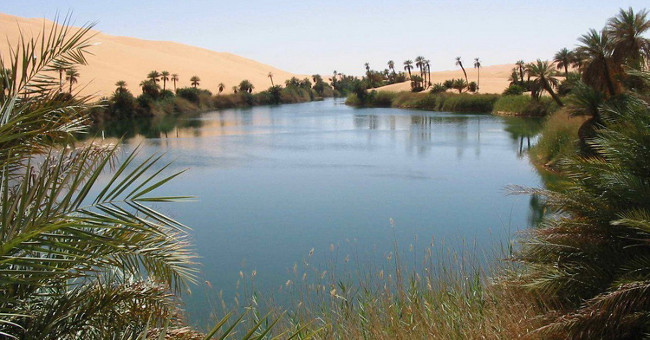
Sahara Desert is a symbol of hot and dry sun. But in the middle of that dry land, fresh lakes appeared.