
Environment
If the amount of CO2 continues to rise, the Earth will return to the period of dinosaurs
By 2400, CO2 concentrations could exceed all the limits recorded in geological records.
Browse ScienceInfo articles and explainers related to Climate.
1,891 published items.
By 2400, CO2 concentrations could exceed all the limits recorded in geological records.
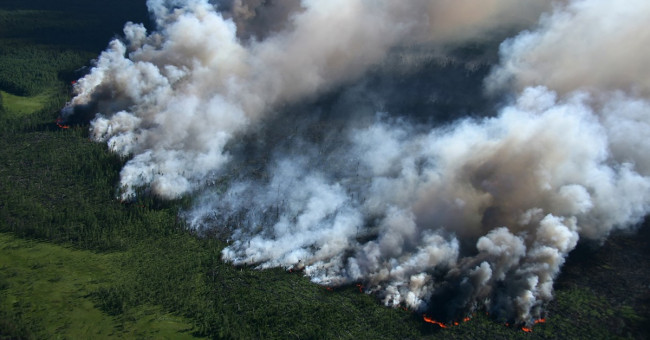
The increase in global average temperature of 1.1 degrees Celsius over the pre-industrial era may make 2017 the hottest year in history.
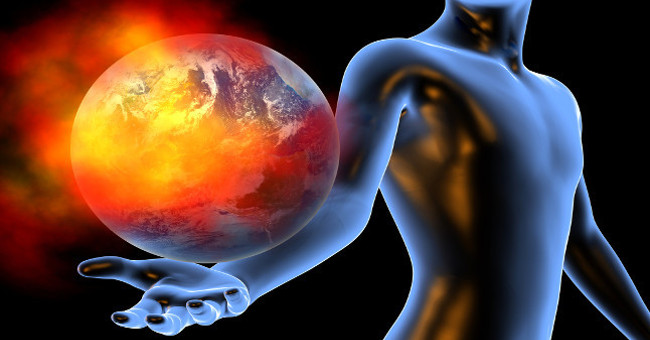
Equivalent to nuclear and meteorite disasters, climate change can cause people and all creatures to perish.

The report recently revealed that hundreds of tons of plastic floating in the Arctic could become an immeasurable threat to the Earth.
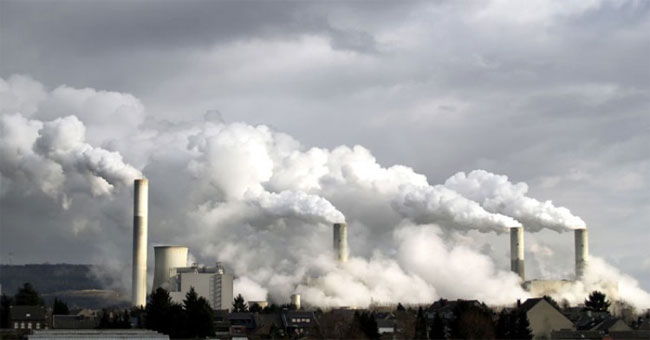
The concentration of greenhouse gases carbon dioxide (CO2) on Earth has just exceeded 410 ppm for the first time in human history.
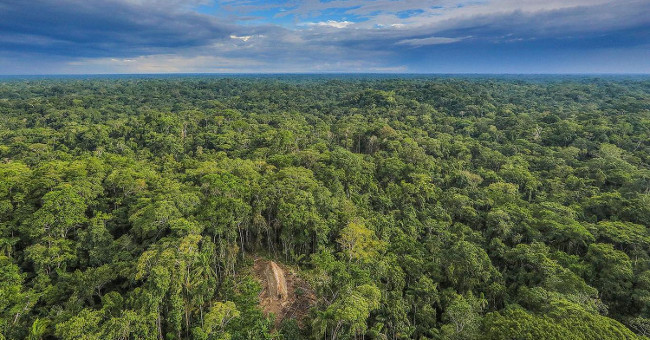
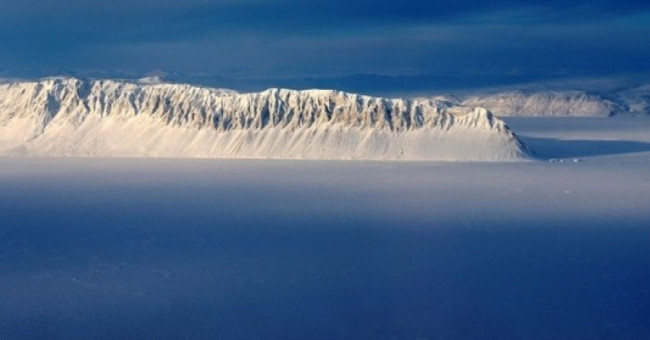
Natural changes in the Pacific may be responsible for half of the ice melting in the Arctic in recent decades.
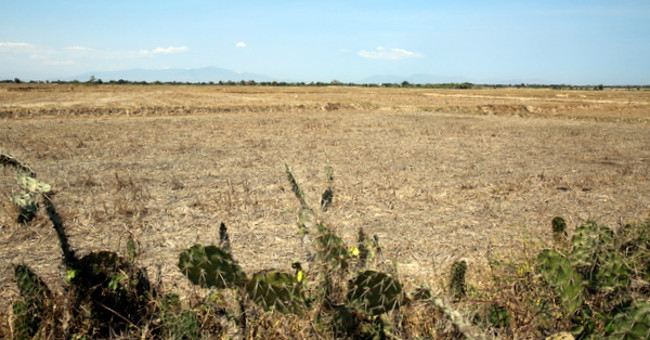
Initial comments of the Meteorological Agency, when El Nino returned to Vietnam around May 5-7, this summer will be hotter than the average for many years and the possib…

It is estimated that by 2050, about 350 million people living in big cities can die from heat stress (heat burden) every year.

Mr. Le Thanh Hai, Deputy General Director of the National Center for Hydrometeorology said, it is expected that the hot weather this year will be more severe, more likel…
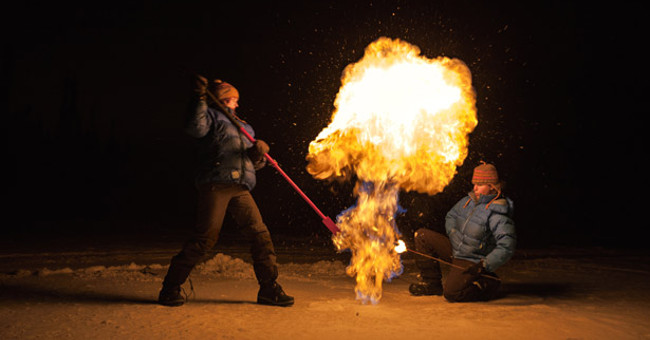
World scientists predict Russia will have a big error in the death of the Earth if no timely and effective measures can be found.
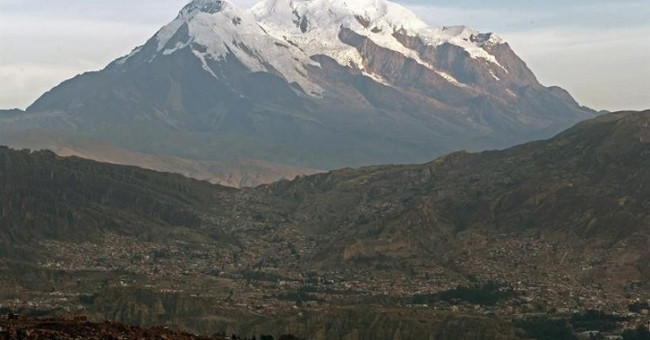
According to IRD director Patrick Ginot, the purpose of this project is to preserve those
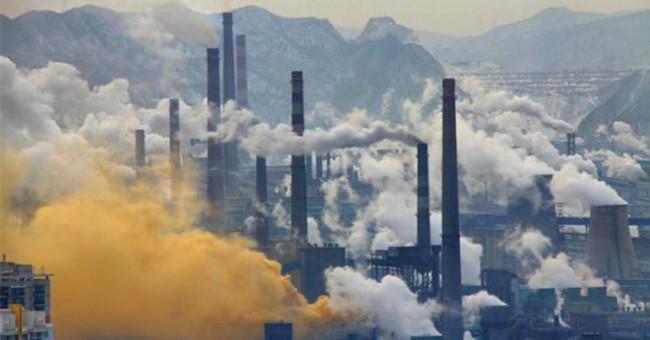
The new report published by WHO shows that environmental pollution is one of the main causes of child deaths.
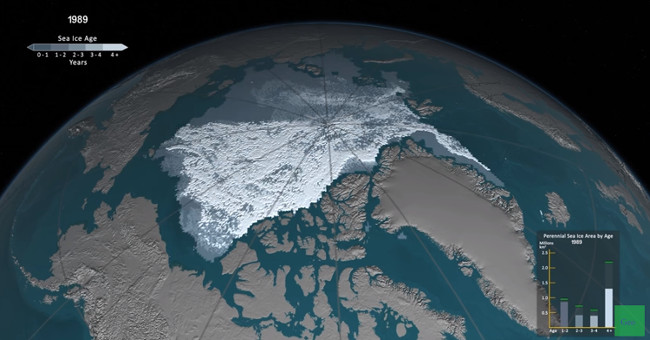
The melting sea ice will lead to weather disasters in most Northern Hemisphere countries and accelerate global warming.
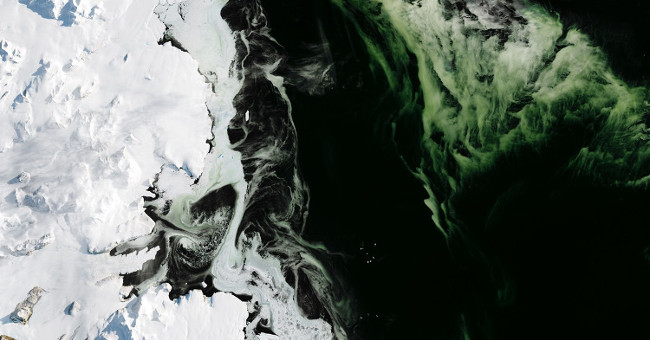
Antarctic ice sheets suddenly appear strange blue. Is this a bad thing?