
New technology
Invented the program 'read', seize the dream
According to scientists at the ATR Neuroscience Laboratory in Japan, the 'dream catcher' achieves up to 60 percent accuracy, an impressive 'result.'
Browse ScienceInfo articles and explainers related to Computer.
2,119 published items.
According to scientists at the ATR Neuroscience Laboratory in Japan, the 'dream catcher' achieves up to 60 percent accuracy, an impressive 'result.'
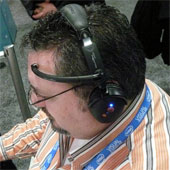
John Chuang, an associate professor at the School of Information Technology at the University of California, Berkeley, and colleagues have created a device that can iden…

This screen is able to 'radiate' the exact scent from the image, such as coffee from the coffee cup. Its principle is that the genes in the screen will release t…

The types of transistors that make up the microchips of computers and other technological devices are the basis for Stanford scientists based on the principle of making…
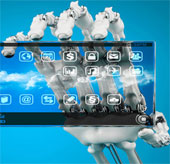
European computer scientists have created the internet for robots, or cloud computing, to support robots.
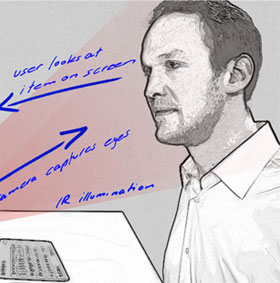
At $ 60, users will receive an eyeCharm, a Kinect extension that will replace the use of a mouse on a computer.

By connecting monitors and devices to the same computer network, users can play video from any device on any screen, based on Intel's new technology.
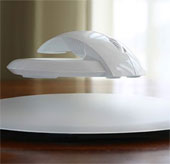
At first sight the computer mouse hovering in the air, you might think someone did a trick trick visual. But that is not magic and you can soon own a technology item lik…

Space Top, the designation for the 3D computer model, was created by Microsoft, equipped with a unique interface that allows users to manipulate and interact in a comple…

Golden-i computer equipment promises to be equipped with capabilities
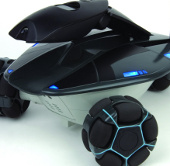
A small robot with a mass of over two kilograms can help users keep track of their home remotely at all times.
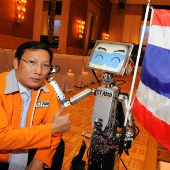
A robot that specializes in the care and support of the elderly living alone, called Dinsow Original, was developed by a Thai software company.
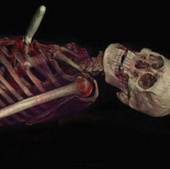
A virtual 'autopsy' can create a revolution in the field of murder investigation, making the most difficult evidence to swallow.
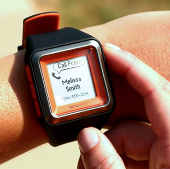
The wearable computer is likely to be Apple's future after the iPhone in the long run, just as the iPhone replaces the iPod.
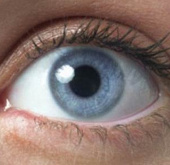
Future computing devices will be further developed in terms of human senses in order to imitate the ability to see. , smell, touch, taste and listen.