Space science
How to detect cosmic black holes
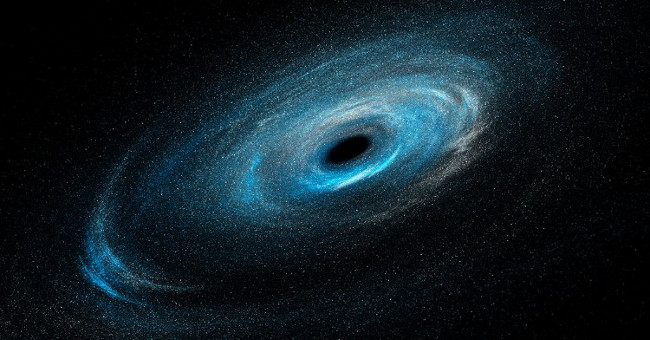
The cosmic black hole is an area of space with extremely strong gravitational force, nothing can escape when approaching them, including light at a speed of 300,000 km…
Browse ScienceInfo articles and explainers related to Cosmic.
757 published items.
The cosmic black hole is an area of space with extremely strong gravitational force, nothing can escape when approaching them, including light at a speed of 300,000 km…

After space exploration, humans left behind many scientific equipment and items that were no longer used on the lunar surface, Science Alert reported Monday.

Scientists at the China Air Force Technical University propose using giant lasers to destroy old satellites and other space junk to clean up Earth's orbit, Newsweek repo…
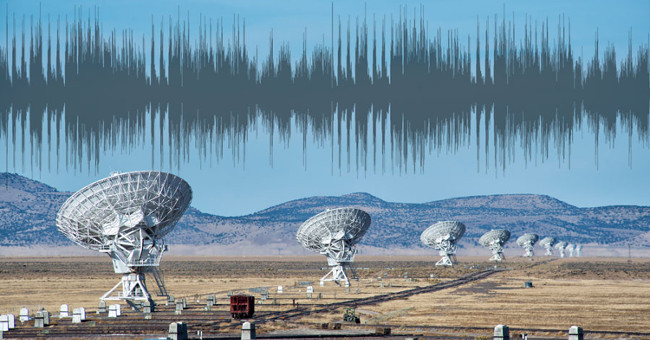
Currently, the rapid growth of wireless telecommunications companies is disturbing the radio environment.
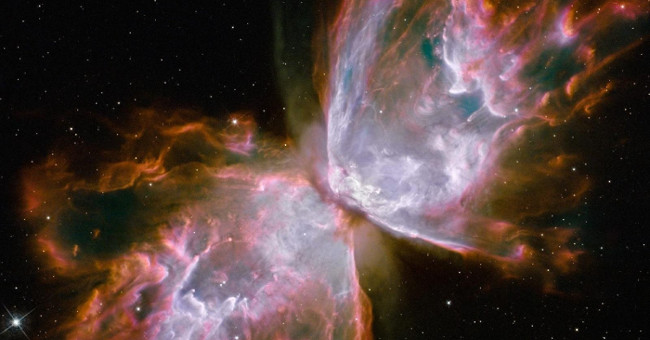
Cosmic rays come from supernova explosions and the Sun's magnetic activity affects the weather on Earth.
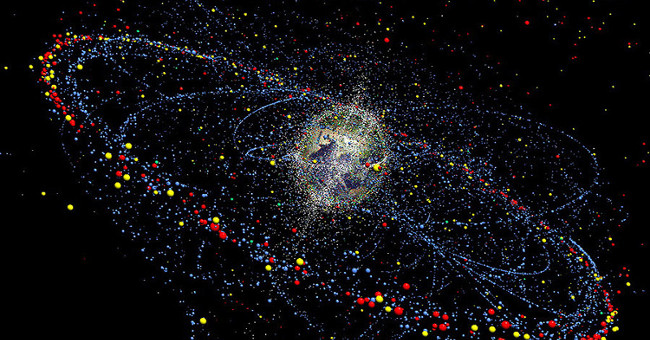
About more than 9,000 pieces of cosmic waste from satellite materials, insulating pieces on the hull, debris of the fuel cell .... are floating in the earth's orbit. Thi…
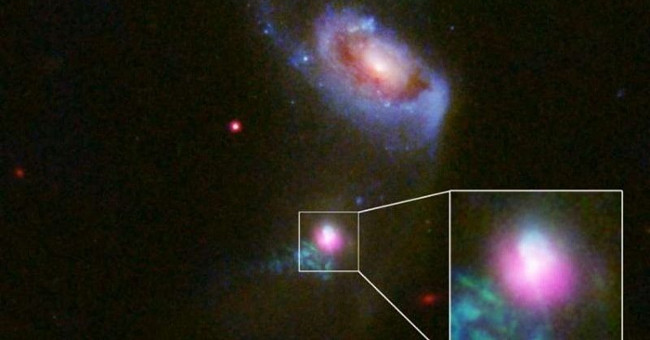

Since the 1950s, people have been curious and seeking the truth about unidentified flying objects (UFOs).
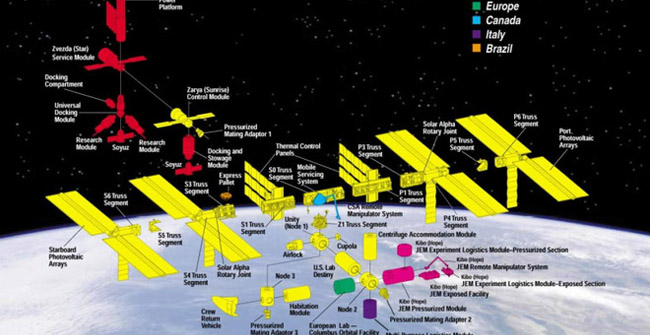
This project has been hatched by Russians for many years, but it is unknown if it will ever come true.
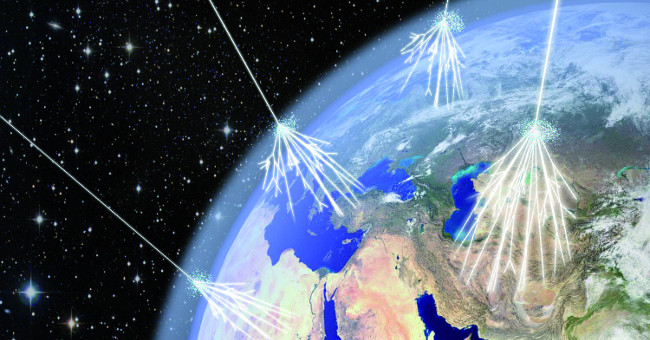
Cosmic rays are phenomena radiating out of a shower of high-energy particles, including X-ray rays, which continuously affect the Earth and are generated from the explos…

Geologists found osbornite, a mineral once collected by NASA in the form of cosmic dust.

All research on astronautics must be based on a prerequisite, which is to ensure safety for astronauts.
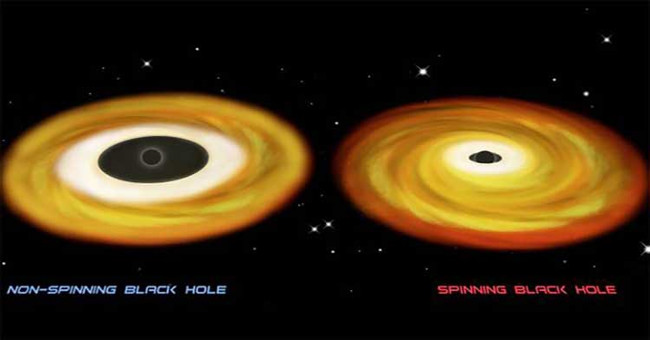
In the mysterious cosmic space, there are black holes that are so weird that no one would expect to be real.
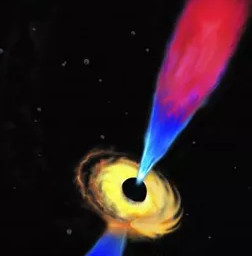
Astronomers were shocked to see a 1-0-2 scene: the black hole was swallowing a star ... vomiting immediately.
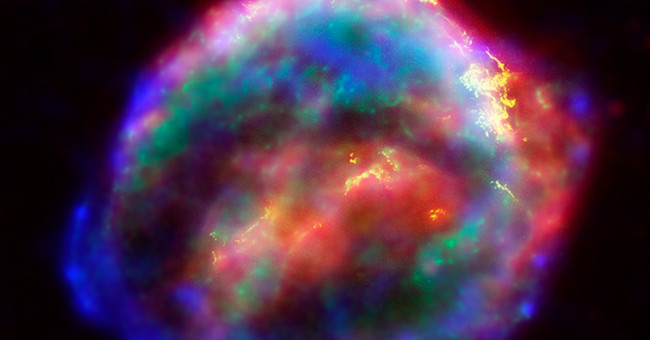
This new finding is expected to help scientists come closer to discovering light in invisible dark matter in the vast universe.