
Biology
Looking back at 10 years of publication of human gene map
10 years ago, humanity has established a map of human gene structure. However, so far, human genes still have many unexplored mysteries.
Browse ScienceInfo articles and explainers related to DNA.
724 published items.
10 years ago, humanity has established a map of human gene structure. However, so far, human genes still have many unexplored mysteries.

The most prestigious scientists in the world said that the strange bacterial culture experiment of the US Aerospace Agency (NASA) has made serious mistakes.
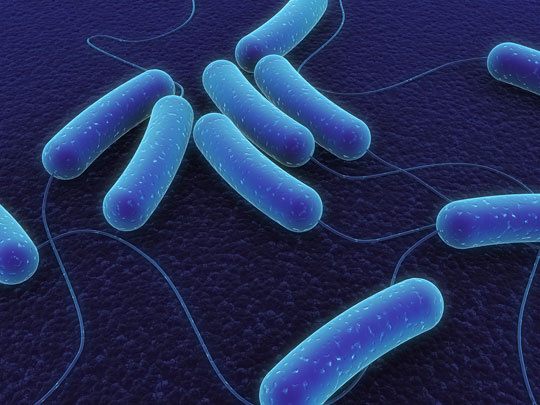
Scientists from Canada and Denmark have deciphered the bacterial immune system, helping to solve the problem of drug-resistant bacteria.
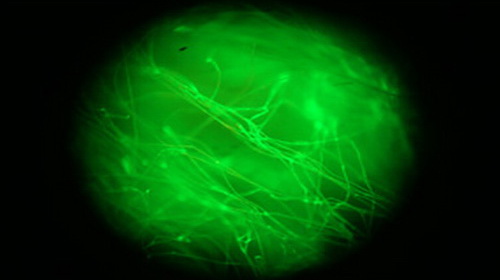
Notre Dame University (France), Wyoming University (USA) and biotechnology company Kraig Biocraft (USA) have succeeded in producing genetically modified silkworms capabl…

A rare plant species in Japan with scientific name Paris japonica carries on it the largest genome ever known.
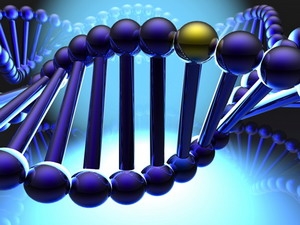
American scientists have successfully combined artificial mitochondrial genome on white mice from 8 DNA segments formed by 60 nucleotides.
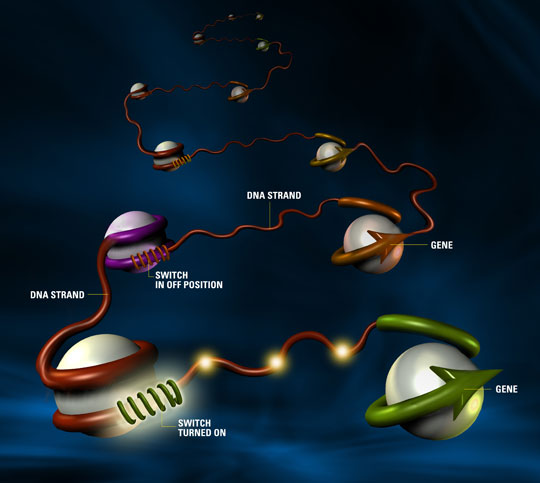
Scientists have not yet grasped the number of genes needed to make humans, but only more human genes than chicken genes but less than tiny grapes.

Researchers from the University of Manitoba (Canada) are conducting experiments from DNA samples to revive extinct mammoths.

American scientists at the University of Texas have found the first solid evidence of horizontal DNA transfer ...

US scientists have created artificial DNA from chemicals to control living cells in the laboratory.

Scientists from the University of Newcastle (UK) have created embryos containing DNA of a man and two women.

Italian scientists have captured and observed the state of the formation of the formation and the formation of a

The bacteria on human hands are not the same, so they can be used to identify forensics like DNA and fingerprints.

According to the British Daily Telegraph, Australian scientists have recently reached a new breakthrough in the study of pig lung transplantation in humans.

Italian scientists announced that they are about to succeed in regenerating a large breed that once lived in Europe for thousands of years, but has become extinct since…