Space science
Life on Earth comes from the universe
A program to study meteorites from NASA's universe suggests that we can be aliens.
Browse ScienceInfo articles and explainers related to DNA.
724 published items.
A program to study meteorites from NASA's universe suggests that we can be aliens.
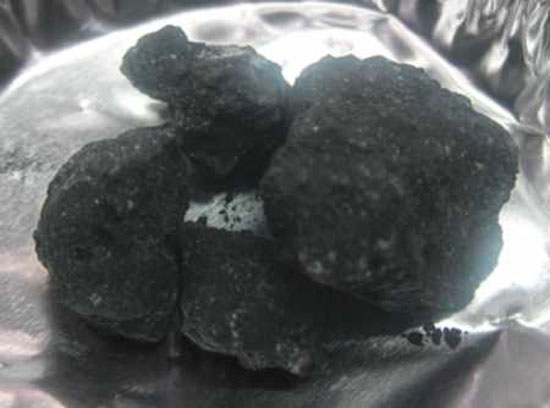
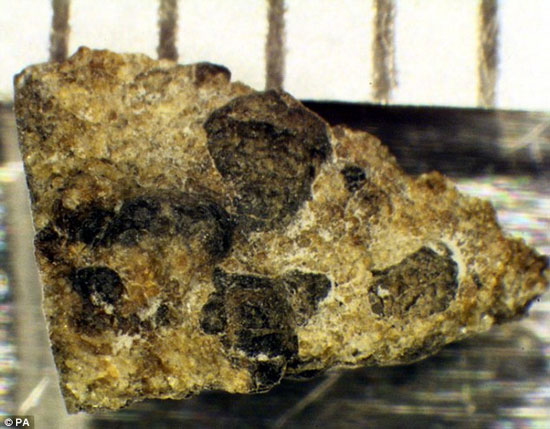
Scientific experts have discovered many chemicals similar to the main components of DNA in more than 10 meteorite samples.
Notable events took place on March 6 in history.
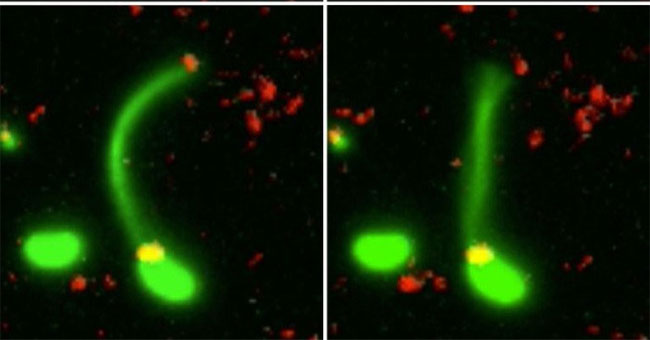
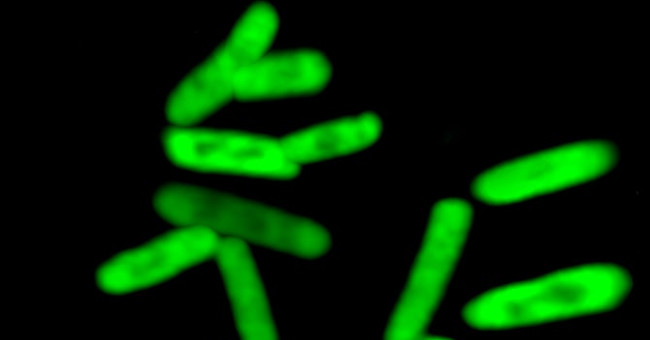
Under the microscope, these two green light spots are Vibrio cholerae bacteria - the type of pathogen that causes cholera.
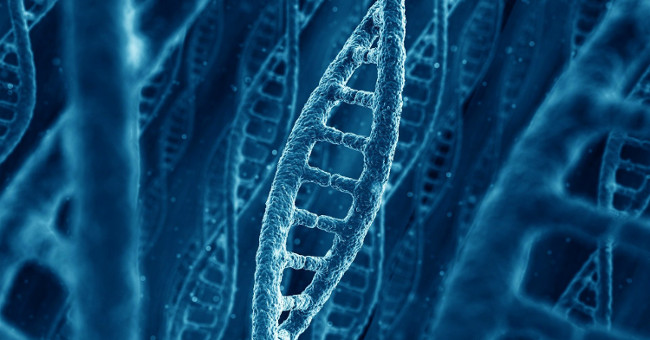
These bases - denoted by 4 letters G, C, A and T - are present in DNA molecules and used by every living organism to guide protein synthesis.
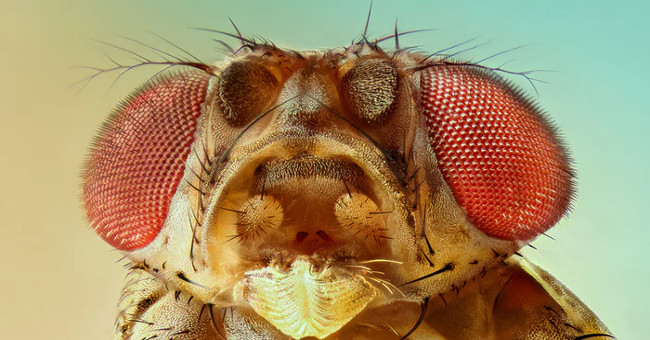
Owning DNA similar to humans, fruit flies were selected as experimental subjects in many Nobel-winning scientific studies.

In a research project to identify DNA on paper money at New York University, the researchers found that currencies are the refuge of hundreds of different types of bacte…
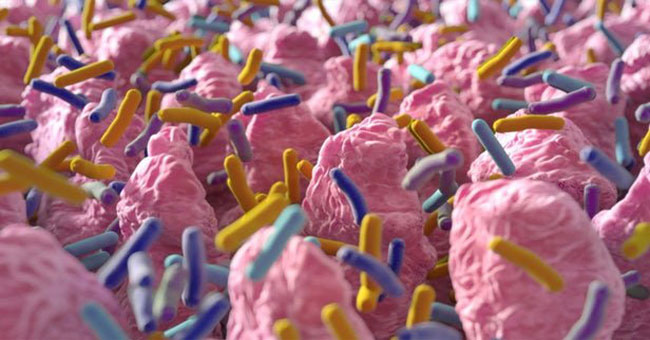
This finding was done by accident when the team was investigating less invasive measures to predict whether the patient's body would reject the transplant agency.

Scientists have recently found a way to give birth without using a mother's egg, using skin cells to fertilize

It is unclear how this virus can get the spider's DNA (and some other animals), but scientists think the virus does so to make it easier to infect. .
Antiviral reports, epidemics may soon appear with the success of this project.
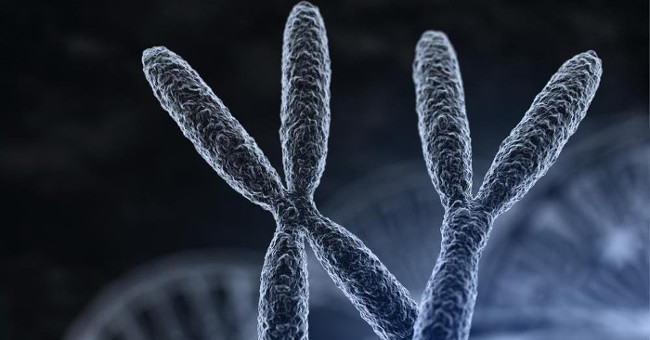
The DNA of a caveman virus that lived 1.5 million years ago could block the X chromosome, increasing the male sex ratio in the fetus.
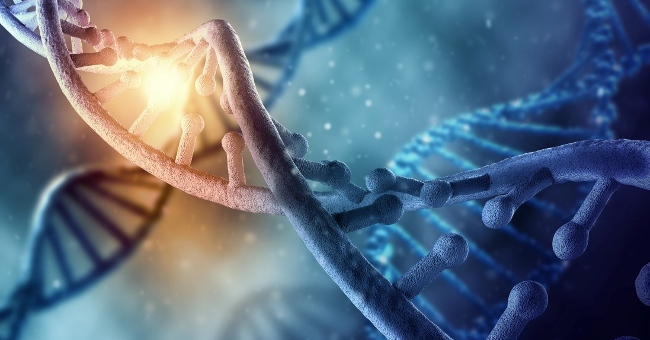
At least 8% of your DNA belongs to strange races and is made up of virus-derived pieces, not human. In fact, pieces of virus that often lurk within the genome of anythin…
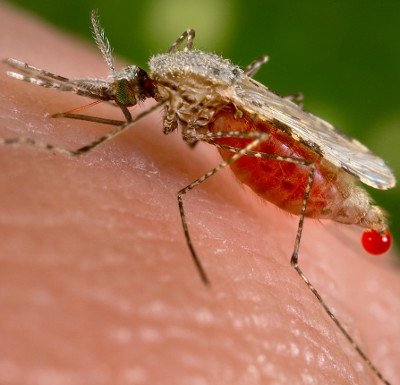
US scientists claim to have successfully cultured genetically modified mosquitoes that can prevent the spread of malaria.
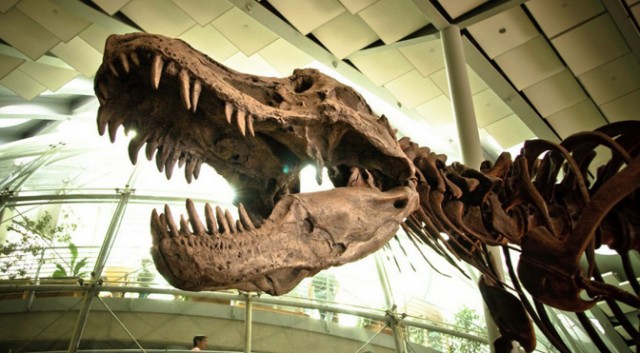
The resurrection of dinosaurs is extremely difficult and unlike what we saw in the movie.