
Environment
The Australian continent tilts, moving in seasons
A series of new evidence shows that the continent of Australia is having strange moves that surprise the scientific world.
Browse ScienceInfo articles and explainers related to Data.
1,449 published items.
A series of new evidence shows that the continent of Australia is having strange moves that surprise the scientific world.
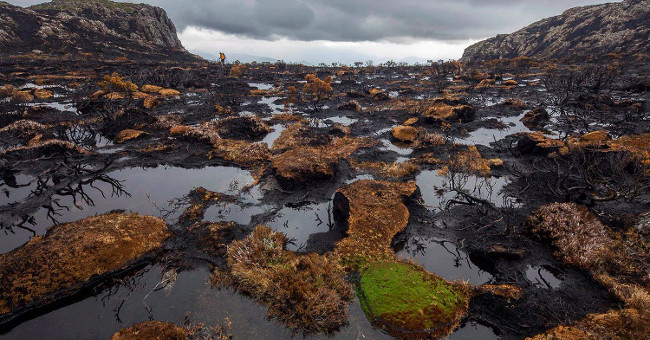
Comparing data from the 1990s, the team discovered that many wild areas on Earth had completely disappeared.
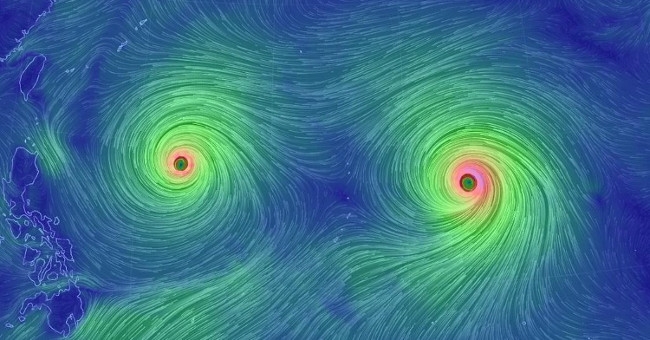
Over the past 40 years, storms attacking East and Southeast Asia have become more and more powerful - and perhaps that will continue, thanks to the
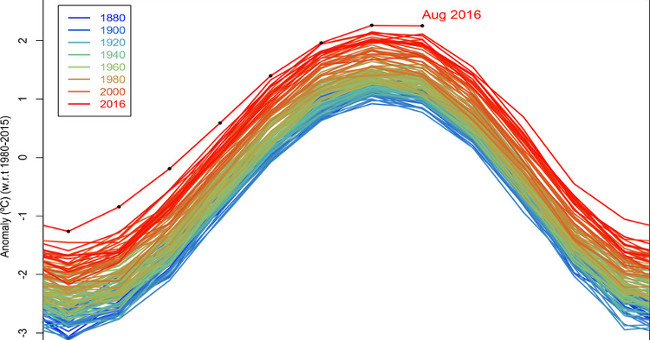
Last August was recorded as one of the hottest August since the data began to be collected 136 years ago.
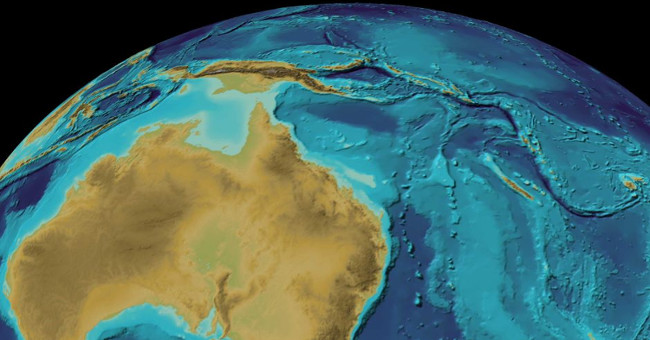
A Sydney reporter led a new study that showed that the continent of Australia is shifting, possibly more than 1.5 meters from the previously published coordinates.
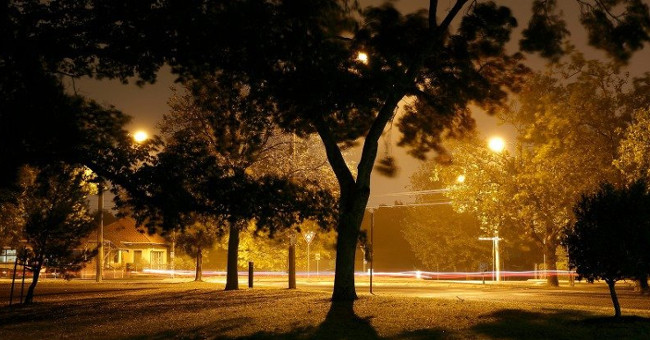
Many cities live without night due to the bright light from street lights and surrounding buildings.

The method of detecting new sources of emissions with NASA satellites allows to identify hidden sources of contamination.
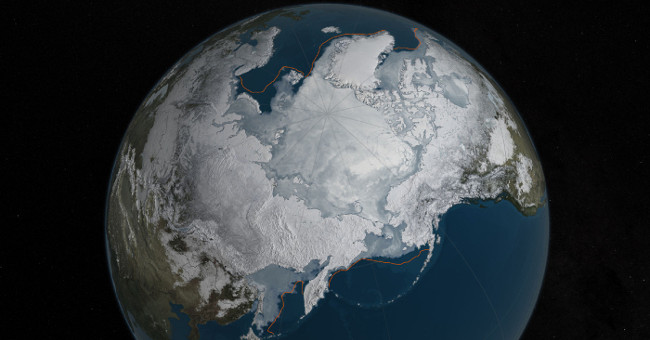
According to data recently released by scientists at the US National Snow and Ice Data Center (NSIDC) and NASA, the Arctic ice has reached a record low this winter.
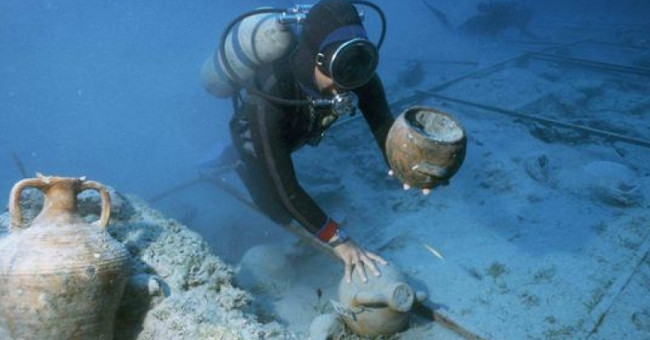
Scientists are conducting research on undersea wrecks for more information about major storms in history.
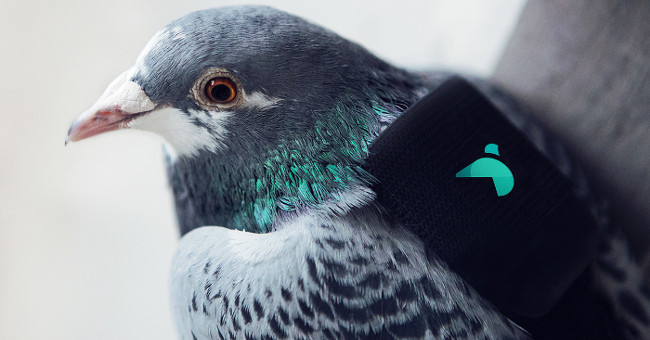
Equipped with a tiny sensor like a backpack, a flock of London pigeons has a mission to fly the city to measure air pollution.
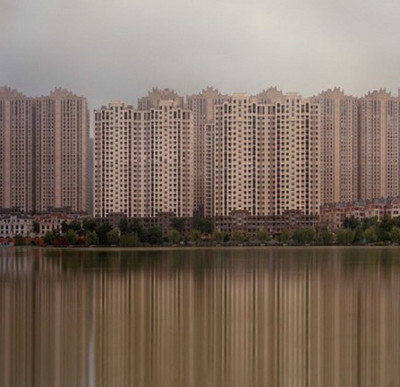
Along with the process of urbanization, countless ghost cities have sprung up in China over the past 50 years.

Leading the list of WHO's most polluted air is India, followed by cities in Pakistan.
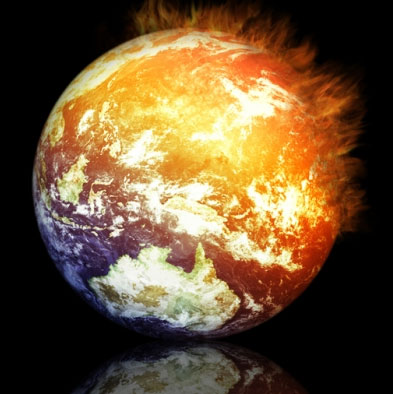
Global data from NOAA (National Oceanic and Atmospheric Administration) said that the average temperature on earth in October increased to 0.98 degrees Celsius, much war…
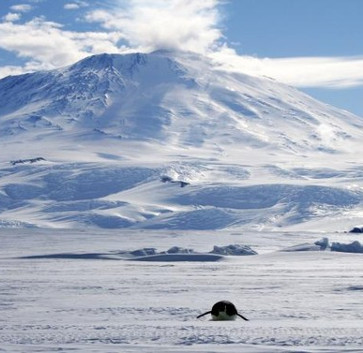
The US Space and Aeronautics Agency (NASA) said that over the past decade, the amount of ice accumulated in Antarctica was greater than the amount of ice lost.
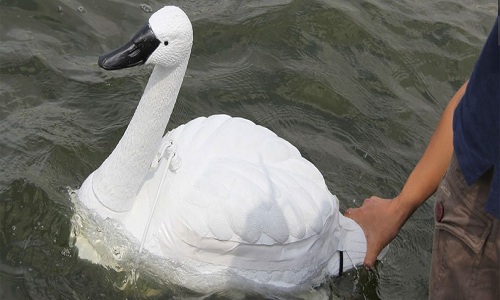
Researchers from the National University of Singapore (NUS) used NUSwan, a swan-shaped robotic team, on lakes to monitor water quality in urban areas.