Archeology
Uncover fossils of large dinosaurs never seen
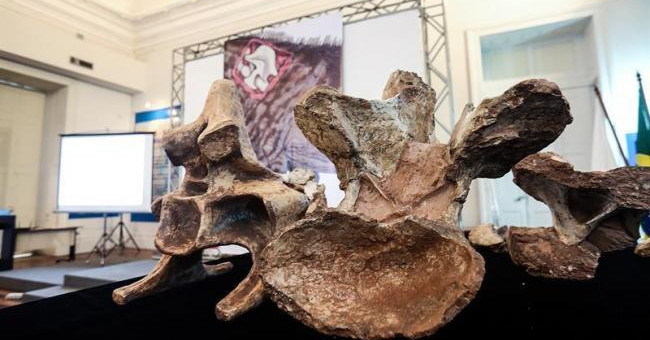
Brazilian scientists have discovered fossils of unprecedented large dinosaurs with a body length of up to 25m.
Browse ScienceInfo articles and explainers related to Dinosaurs.
626 published items.
Brazilian scientists have discovered fossils of unprecedented large dinosaurs with a body length of up to 25m.
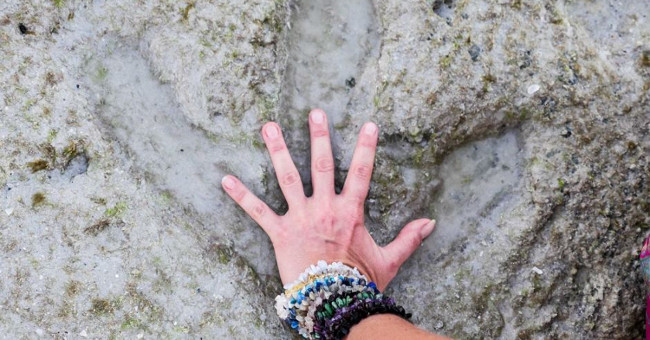
A tourist finds 130 million year old dinosaur footprints while walking on Cable Beach, Australia.
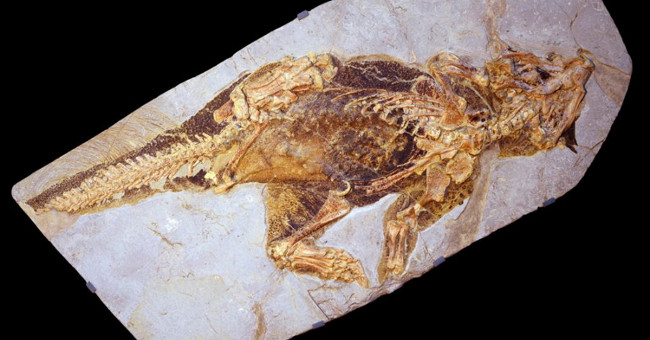
Chinese Pssittacosaurus dinosaur appeared 133 million years ago with the ability to camouflage with anti-shading techniques on skin to avoid predators.

With a passport issued by the Dutch authorities, the 6-ton skeleton of the Tyrant Trix dinosaur was transported by airplane across the Atlantic to the new home.
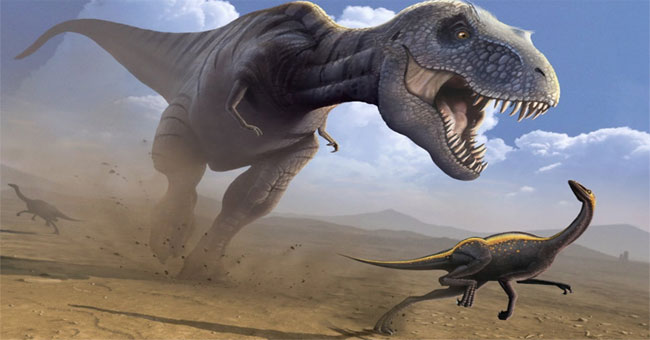
American paleontologists unearthed fossils of a tyrant dinosaur who lived nearly 70 million years ago with an almost intact skull.
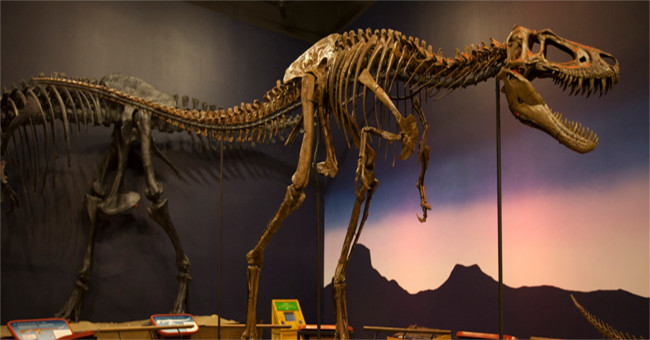
67 million years ago, a dinosaur died and turned into fossils, causing a controversy over recent years.
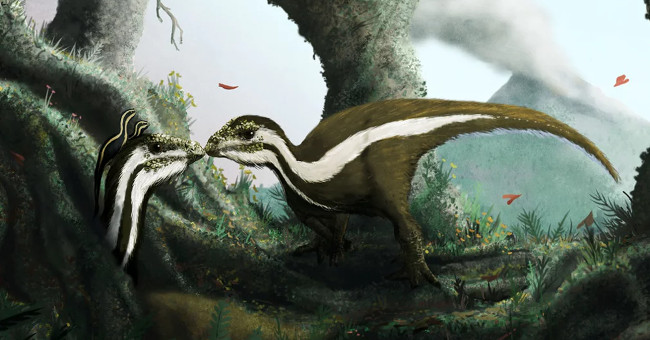
In the newly published book, British paleontologist Dr. Mark Witton recreated the life of dinosaurs, a reptile that once dominated the world through many vivid drawings.
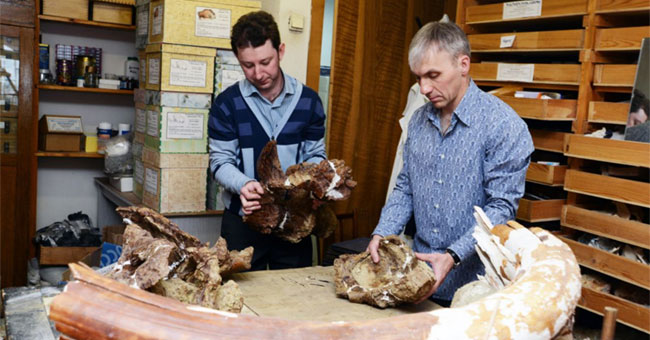
According to the scientists' argument after studying the strange skeleton, this is the core of an unprecedented dinosaur.
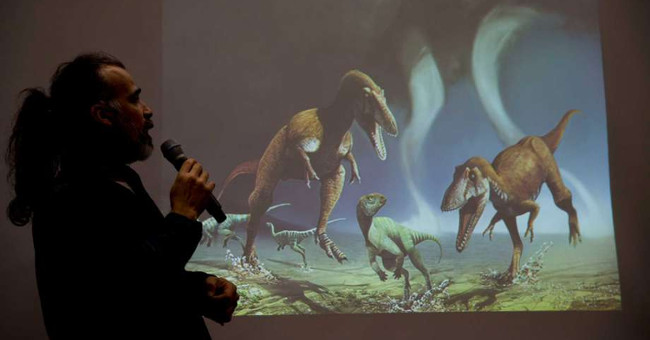
On July 13, Argentine scientists announced that they discovered fossils of a carnivorous dinosaur, up to 6 meters tall, who lived 90 million years ago in Patagonia, sout…

Why is the T-Rex dinosaur having two undeveloped arms still a question that scientists are seeking to answer.
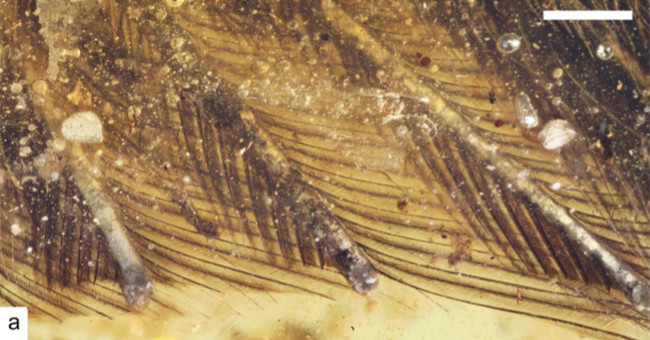
A great discovery of scientists and archaeologists in the study of the history of the structure and development of birds.
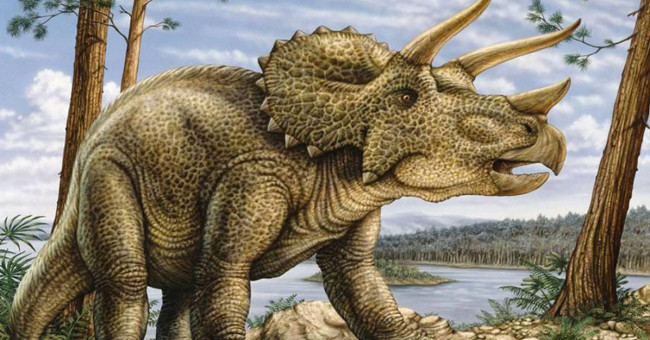
With these strange features, this new dinosaur makes archaeologists wonder about the use of that surplus.
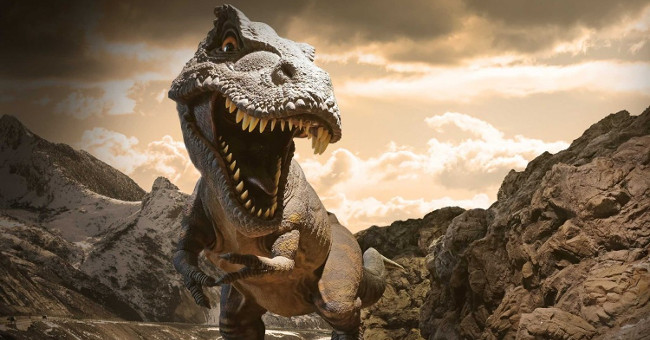
New research suggests that before the dinosaurs became extinct, the mammals had developed very well.
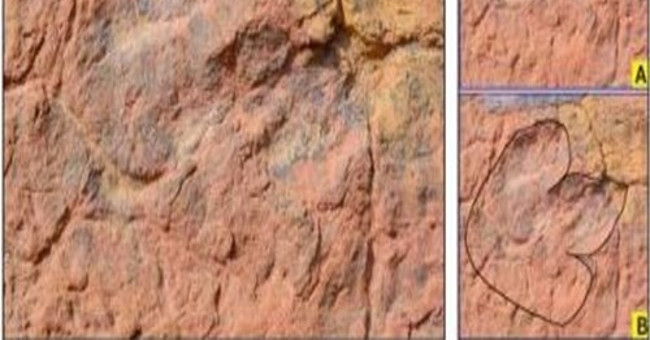
The footprints of Eubrontes Gleneronsensis Theropod carnivores that lived 150 million years ago have been found in India's Thaiyat, Jaisalmer region.
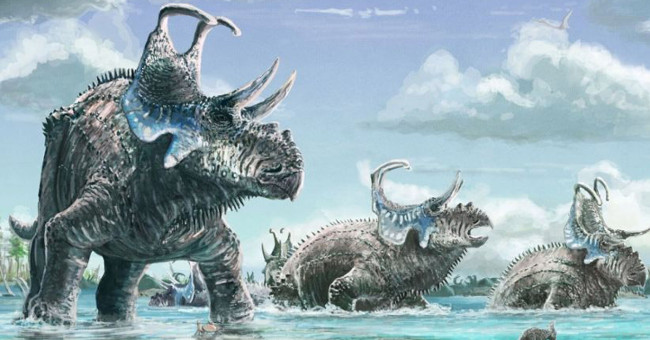
Archaeologists have excavated fossils of new grass-eating dinosaurs in the Cretaceous Period.