
Discover science
Why are people 'blind' when they love?
For the first time, researchers have begun to discover the secret of why love can make us
Browse ScienceInfo articles and explainers related to Dopamine.
49 published items.
For the first time, researchers have begun to discover the secret of why love can make us
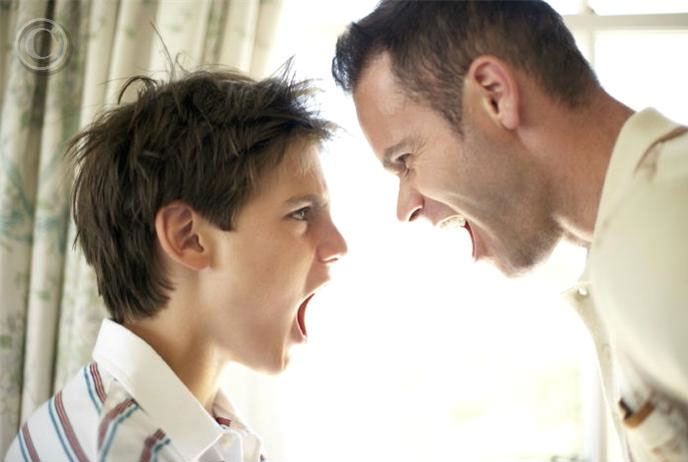
A recent study shows that power also has the same impact as drugs. Over 100 years ago, the famous British historian Baron John Acton created the phrase

American anthropologist Helena Fischer has proved that not only the love but also the personality of a man is the synthesis of four types of hormones: dopamine, serotoni…

Dopamine makes us feel excited to perform risky acts such as high-speed driving.

Scientists have identified a region of the brain that makes us adventurous The results may help explain why people are always attracted to new items when shopping.
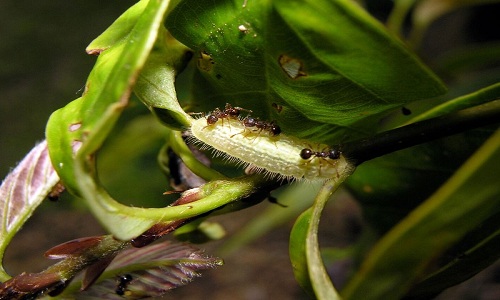
Japanese scientists have discovered the secret to helping caterpillars capture ants and turn them into bodyguards for it.

According to a new study, attention-deficit hyperactivity disorder (ADHD) may be useful for Kenyan nomads. Scientists have demonstrated that ADHD-related DRD4 gene versi…
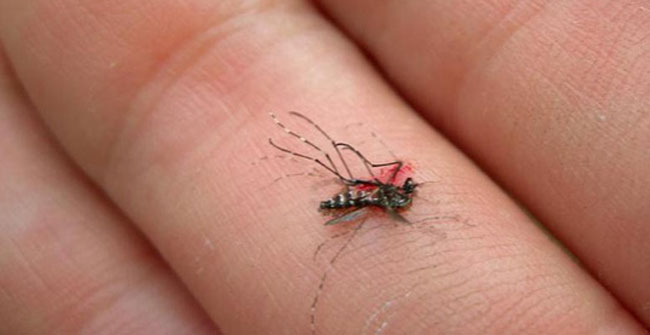
Research shows that trying to beat mosquitoes, whether hit or not, can also help you get less mosquito bites.
In the winter, shorter days make us restricted to natural light exposure and make us sleep more than usual, irritable and anxious. But for mice it is the opposite.
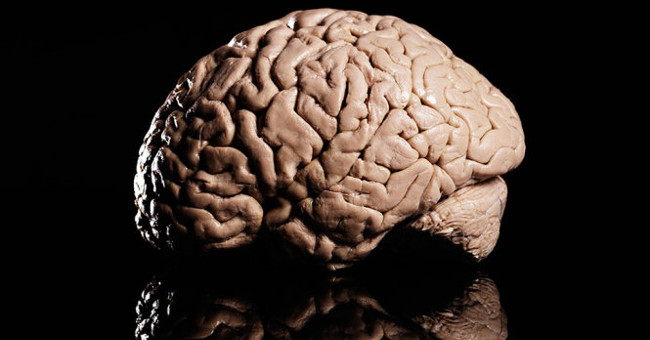
The three scientists together won the prestigious prize of 1 million euros for their discovery

New American research brings good news to romantic people: Cupid's arrow is always
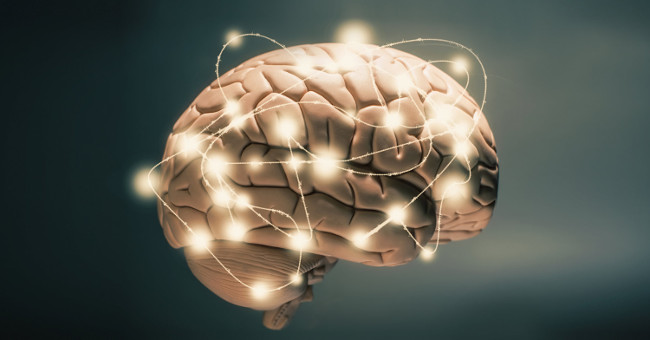
The United States has discovered a cause of brain cell death in Parkinson's patients and the use of antioxidants to prevent brain cell damage.

When you hug someone, chemicals and hormones are activated to help improve mood, relieve pain, protect the immune system and prevent some diseases.

When we eat foods high in sugar, our taste, our gut and our brain record. Sugar reception activates the brain's rewarding nervous system.

Decoding genes in criminals, Swedish scientists have discovered two types of gene mutations that are closely related to aggressive action.