
Biology
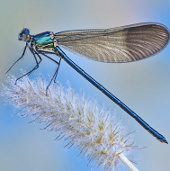
Butterflies and bright colored dragonflies thrive due to warm Europe
Brighter colors of butterflies and dragonflies are competing better with others when faced with climate change.
Browse ScienceInfo articles and explainers related to Dragonfly.
78 published items.
Brighter colors of butterflies and dragonflies are competing better with others when faced with climate change.
A new study suggests that dragonflies also have nerve cells to perform labor-intensive tasks - cells found only in primates.
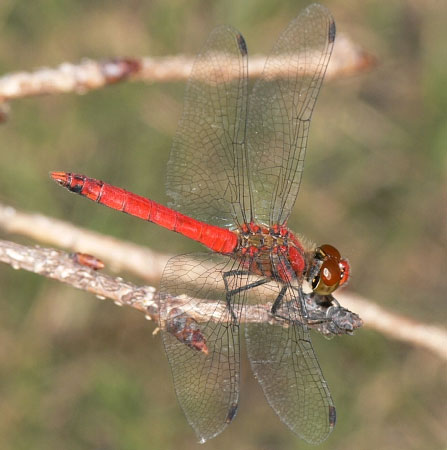
Chemical balance between the pigments in the dragonfly's abdomen determines their color. When oxidants are present, these cells are yellow and when there are reductants,…
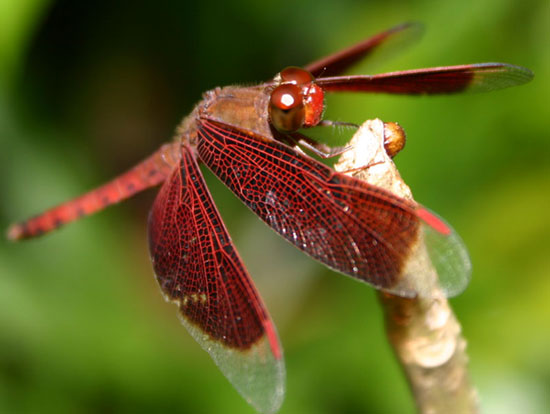
Canadian researchers say that the presence of a predator can also be stressful enough to kill prey, even if predators don't really catch and eat prey, according to the n…
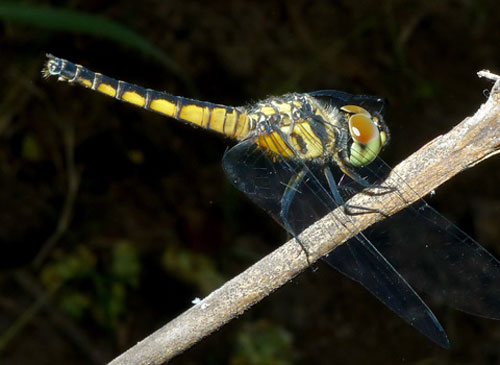
Wild Animal Protection (WAR) announced the discovery of a new species of dragonfly for Vietnam, Melaleuca dragonfly (Aethriamanta aethra).
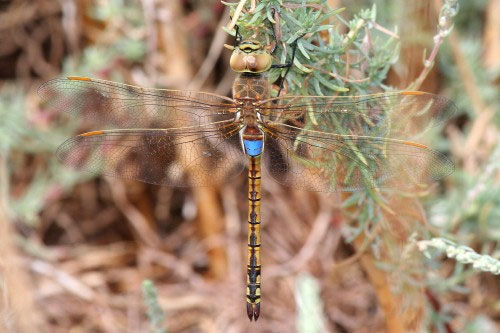
The changing climate of the Earth leads to a change in the habitat of some animals. Dragonflies have taken advantage of this situation to turn many parts of England into…

A new species of rare dragonfly discovered in Phu Quoc. Experts only recorded 3 individuals of this rare dragonfly species.
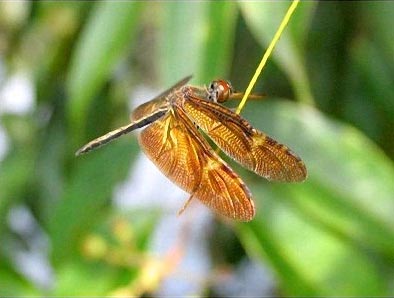
On September 11, Tim Kinght of the Wildlife At Risk - WAR said a Vietnamese entomologist had accidentally discovered four new dragonflies and dragonflies on Phu Quoc isl…
Species often disguise themselves in motionless state: chameleon change color to blend into the surrounding environment, spots help keep hidden in bushes. However, accor…
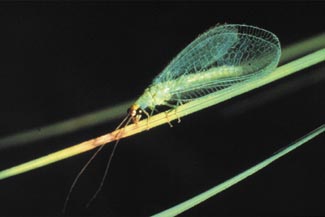
PhD student Vu Thi Nga, Center for Research and Technology Transfer (Ho Chi Minh City University of Agriculture and Forestry), has initially succeeded in studying the us…
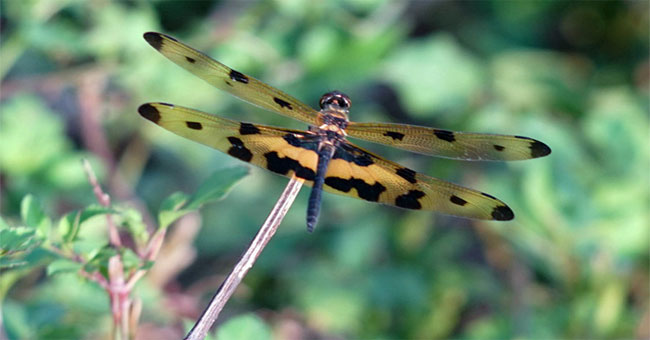
Present in many localities in Vietnam, butterfly wings (Rhyothemis variegata) have an impressive appearance.

Arctic terns, leather turtles, dragonflies are three of the animals with the longest migrations in nature.
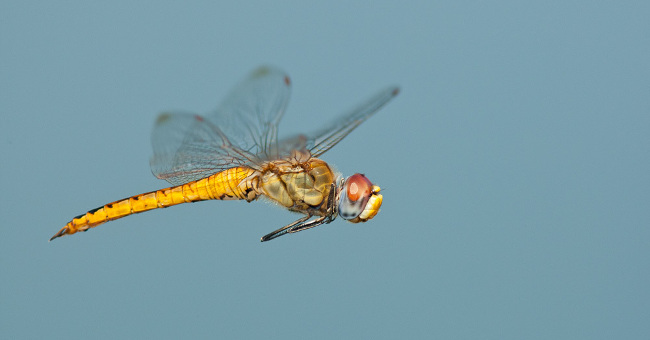
Some animals have the ability to move across the ocean, despite all the dangers to go to breeding grounds or food sources.
Bees have feathers in the eye. You are more likely to be stung by a bee on a windy day in any other weather condition. The only insect that can rotate its head 360 degre…
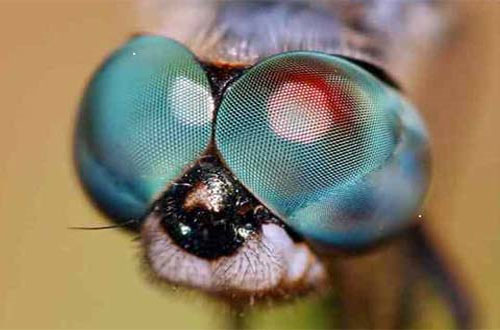
According to scientists, the eyes of animals evolved about 540 million years ago as a simple light detector.