Environment
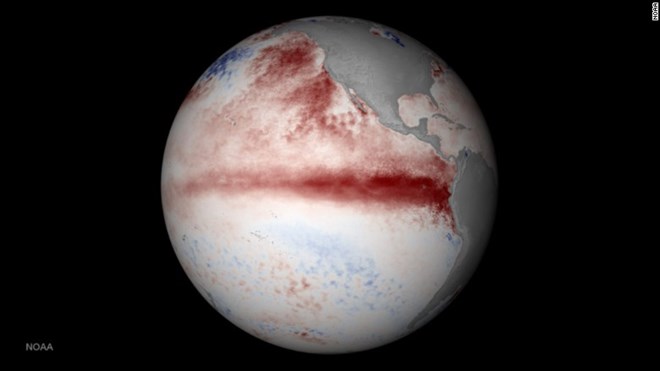
Can 2015 El Nino cause more natural disasters?
The eastern Pacific Ocean is heating up, making the El Nino phenomenon likely to hit its peak in 1997 and causing unexpected disasters.
Browse ScienceInfo articles and explainers related to Drought.
330 published items.
The eastern Pacific Ocean is heating up, making the El Nino phenomenon likely to hit its peak in 1997 and causing unexpected disasters.
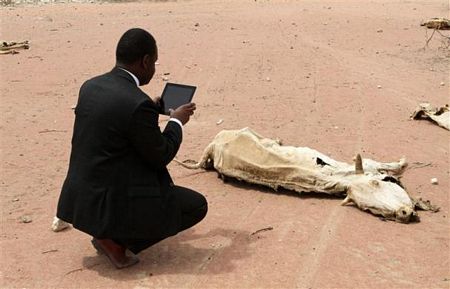
Severe drought is causing unimaginable effects in California, from pests that multiply to snakes dragging into people's homes.
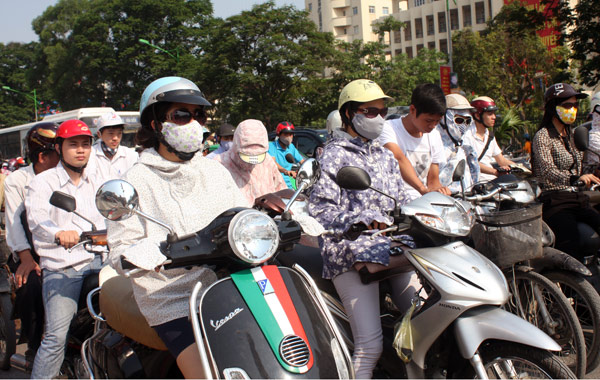
According to the Central Center for Meteorological and Hydrological Forecasting, unusual hot weather is happening in the North and Central regions, which is considered a…
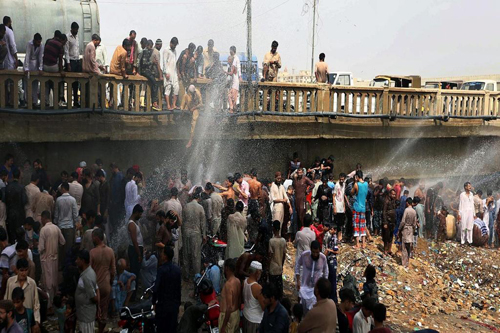
Many areas in Asia, such as India and Pakistan, are hit by a record heat wave of more than 45 degrees Celsius, while Europe has to deal with heat waves of up to 44 degre…

From 26/5 in the North appeared wide-area hot sun, the highest temperature ranged from 35-37 degrees Celsius. The central level of heat increased, up to 40 degrees C.
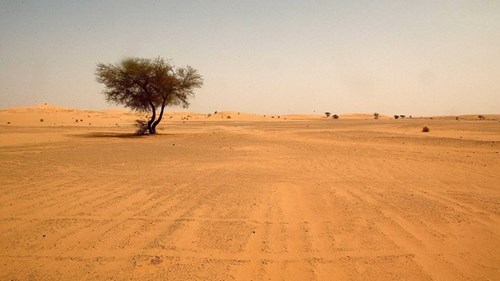
Climate change is bringing rain back to the region that has been suffering from severe drought for decades in Africa. However, scientists are also not optimistic when wa…
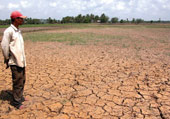
The drought and lack of water in the southern central provinces until mid and late September 2015 has gradually improved, predicts the National Center for Hydrometeorolo…
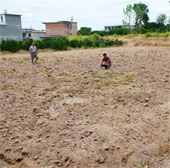
Many areas in eastern Spain are experiencing the longest drought in more than 150 years, and forecast this extreme weather phenomenon will continue to last.
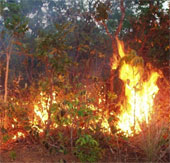
Future climate simulations in the Amazon region show that a prolonged dry season will lead to more droughts and forest fires.
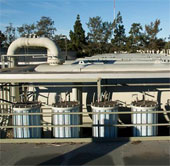
In Carlsbad, California, a $ 1 billion project is completing 25% of the construction to filter 50 million liters of fresh water every day and supply the water system to…
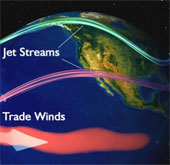
Earth's heat will rise as the El Nino weather model is ready to blow a large amount of heat into the atmosphere by the end of 2014.
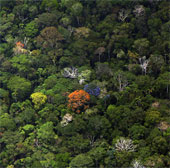
Prolonged drought with widespread forest fires is reducing the carbon uptake of the world's largest rainforest.
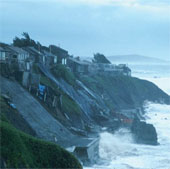
A new study published in the journal Nature Climate Change today shows that climate change will make El Nino's frequency increase significantly in the 21st century.
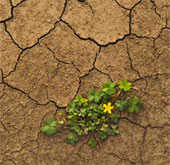
Climate change and population growth will increase 80% of the drought situation by 2100, the researchers confirmed.
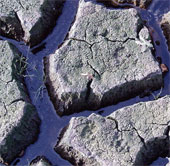
According to recent research by scientists, the phenomenon of El Nino is getting worse because of the global temperature rise.