Archeology
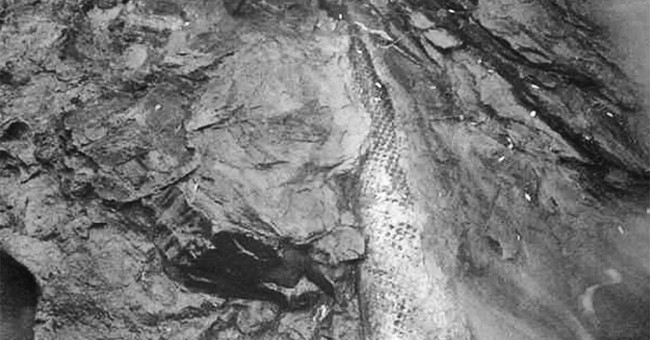
Chinese farmers discovered traces of black dragon on rocks
Residents of a Chinese village seem to be interested in seeing the fossil-like mark of the legendary black dragon.
Browse ScienceInfo articles and explainers related to EES.
1,278 published items.
Residents of a Chinese village seem to be interested in seeing the fossil-like mark of the legendary black dragon.
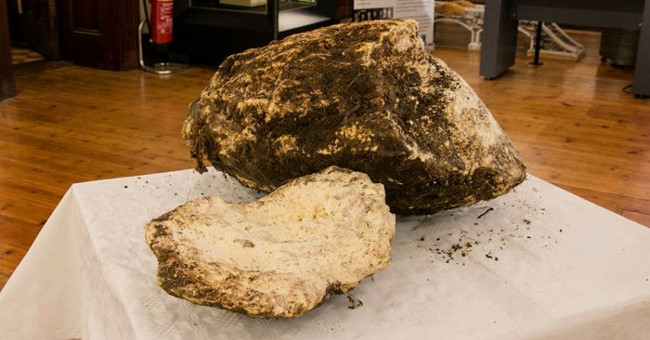
The 10kg butter is found at a depth of nearly 4m below the marsh and still can be theoretically eaten.
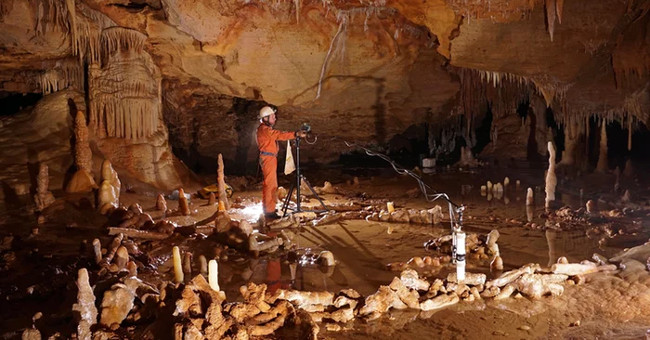
This is said to be an artifact of the Neanderthals and is one of the oldest artificial works in the world.
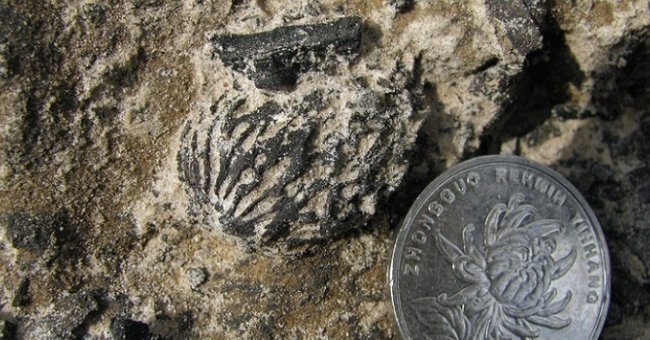
The team of scientists found that peach-tree fossils dating back over 2.5 million years in southwestern China, show that this fruit was born before humans appeared in th…

The 1,600-year-old cup from ancient Rome is turquoise when light shines from the front and turns red when light shines from behind.
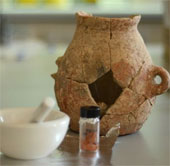
Research by scientists has shown that olive oil has been pressed and used 8,000 years ago.
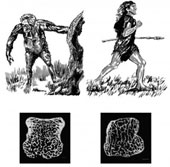
The lack of osteoporosis makes human bones lighter, increasing the risk of fractures and osteoporosis.
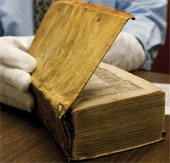
Scientists at Harvard University in the United States have confirmed that an ancient book being kept at the school's library system is covered with human skin.
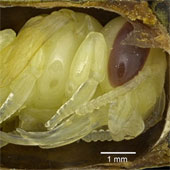
Scientists in California (USA) have used CT scanning technology to record an impressive detailed image of an Ice Age bee, preserved inside a nest made of ancient leaves.
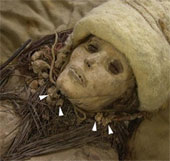
The oldest piece of cheese in the world, dating to over 3,600 years, was discovered on the neck and chest of intact mummies in the Xinjiang Autonomous Region, China.
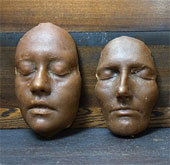
This study will help scientists better understand the ancient Roman mask making process.
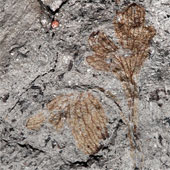
The Smithsonian Institute has published fossils believed to be the largest ever date in North America.
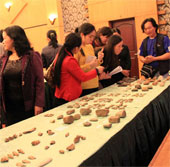
The excavation results show that the stratum of Con Moong cave is 9.5m thick, consists of 10 different structural layers, found working tools, animal bones, mollusc shel…
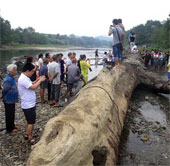
This trunk is 20 meters long, 1.6 meters in diameter. According to local forestry experts, this timber is 700 to 800 years old.

Scientists were surprised when they discovered that a glass made by the Romans 1,600 years ago used techniques similar to modern nanotechnology.