Conquer Mars
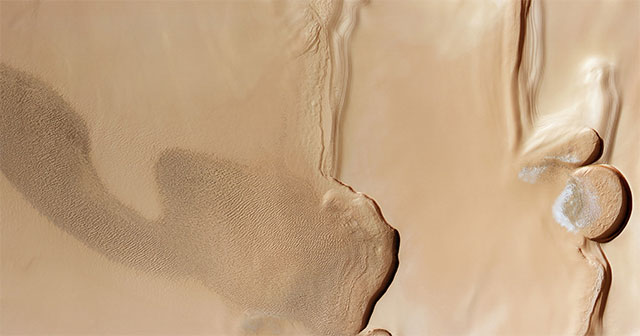
Europe's Mars Express spacecraft captured images of 'shocks' on Mars
New data from Mars Express doesn't just lift the curtain
Browse ScienceInfo articles and explainers related to ESA.
277 published items.
New data from Mars Express doesn't just lift the curtain

The more scientists learn about Mars, the more fascinating scientists find it! This is a huge source of resources, serving future science and technology industries.
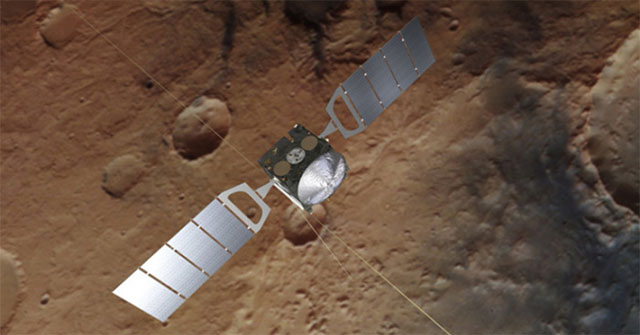
The software upgrade will help the Mars Express onboard MARSIS tool get better signals, process data more efficiently, and last longer.
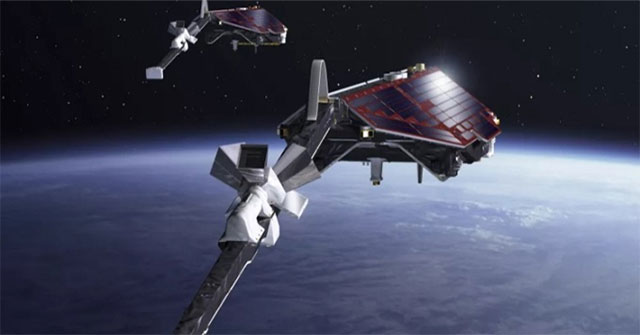
Experts fear the new solar cycle will cause satellites flying in low orbit around the Earth to run out of fuel and fall through the atmosphere faster.

Disturbing images from the European Space Agency (ESA) satellite show a giant red ghost moving from the Sahara Desert, across the Atlantic Ocean, towards the Caribbean,…
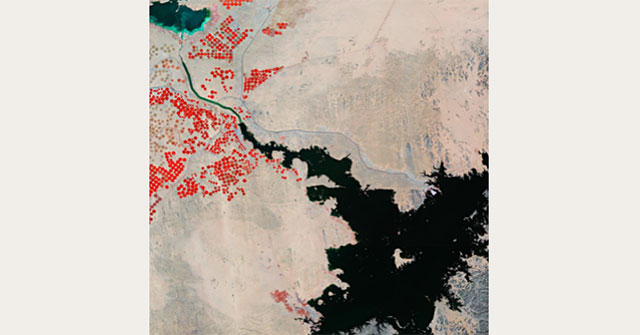
The European Space Agency (ESA) on March 18 released an image of Lake Nasser, one of the largest man-made lakes in the world, of the Copernicus Sentinel-2 satellite.
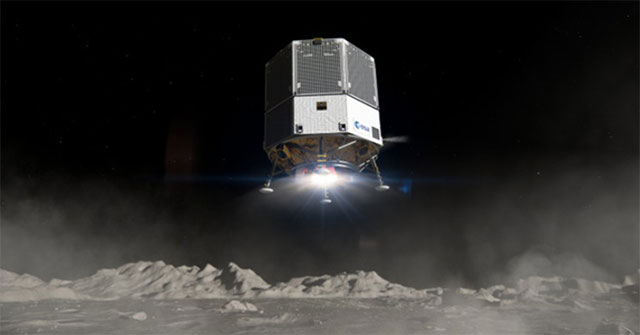
The European Space Agency plans to deploy a device capable of extracting 70% of the oxygen from the lunar surface by 2030.
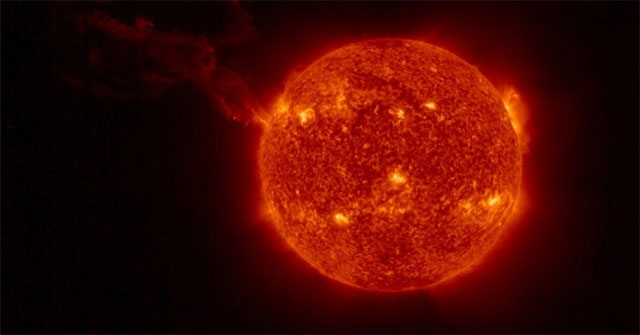
The Solar Orbiter of NASA and ESA tracks the eruption on the Sun's surface from a distance.
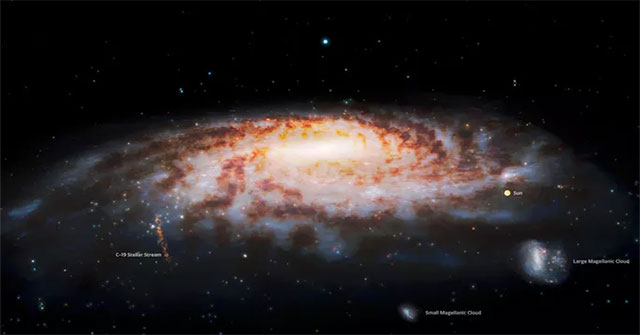
ESA's Gaia Space Telescope and Canada-France-Hawaii Telescope have both recorded a strange line of stars, clearly not belonging to our galaxy.
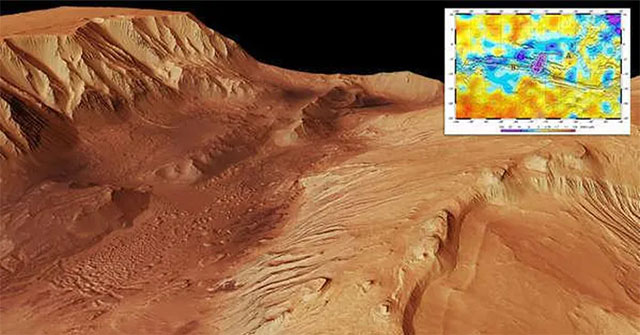
ESA's ExoMars spacecraft discovered 'a significant amount of water' hidden under the Martian surface in the Grand Canyon system.
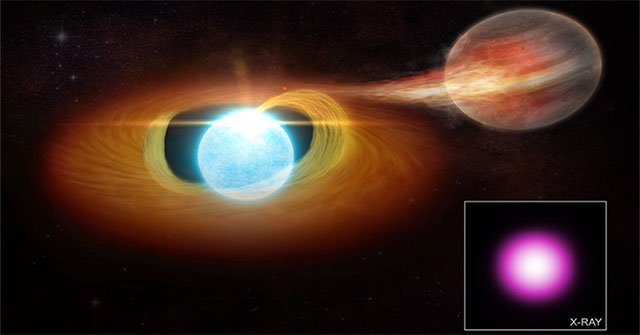
NASA's Chandra X-ray Telescope and ESA's XMM-Newton satellite investigated anomalous X-ray activity from three white dwarfs and discovered three objects that were planet…
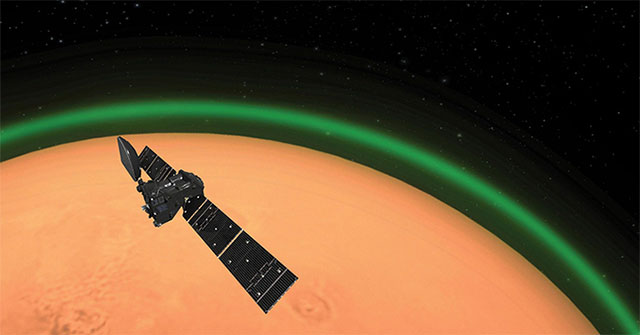
The European Space Agency (ESA) first observed the green band of light on Mars' atmosphere.
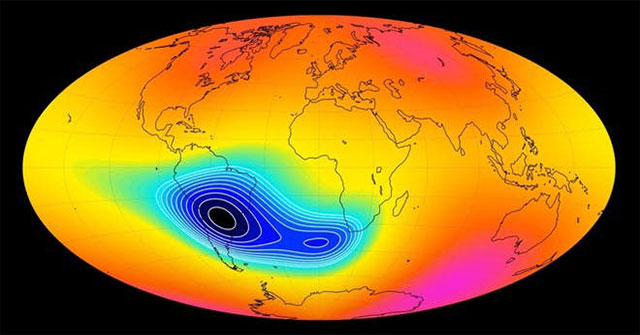
Many satellites and spacecraft have been troubled by the anomalous change of the Earth's magnetic field, which could signal a repetition of the geostational phenomenon f…
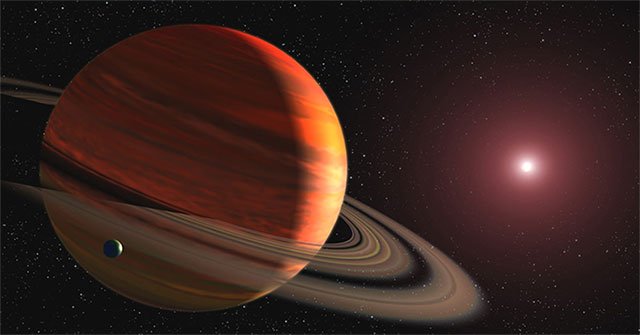
The European Space Agency's Gaia satellite (ESA) has captured the closest exoplanet ever formed.
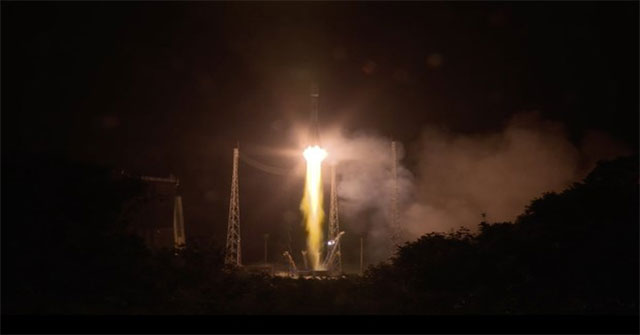
CHEOPS satellite is like a telescope, designed to measure the thickness, structure and size of many planets outside the solar system.