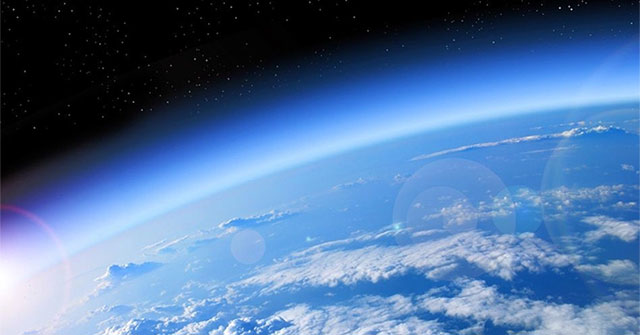
Discover science
Scientists determine when humans should leave Earth as the atmosphere runs out of oxygen
At that time, humans and most other life forms that depend on oxygen for survival have almost no chance of survival on Earth.
Browse ScienceInfo articles and explainers related to Earth Atmosphere.
41 published items.
At that time, humans and most other life forms that depend on oxygen for survival have almost no chance of survival on Earth.
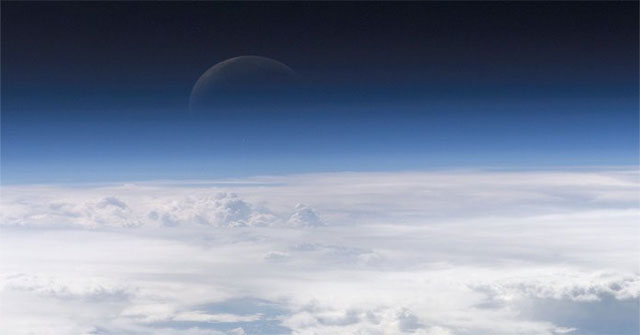
Humans, since the advent of scientific and logical thinking, have always sought to limit everything to a specific number.
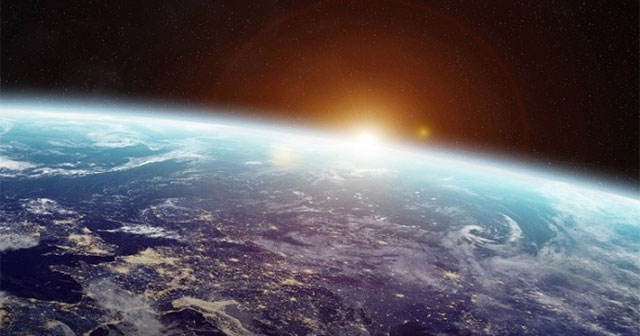
Researchers calculate that Earth's atmosphere weighs about 5.15 x 10^18 kg, nearly a billion times more than the Great Pyramid of Giza.
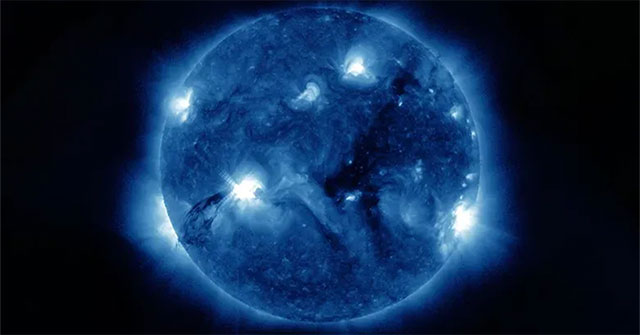
In theory, foreign matter is produced after a star dies. So what happens when a star dies?
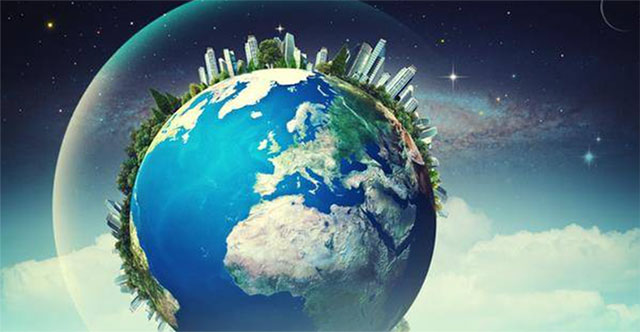
Humans and many other creatures are used to living in an atmosphere with an oxygen content of 20.9-21%. So what happens if oxygen levels rise or fall suddenly?
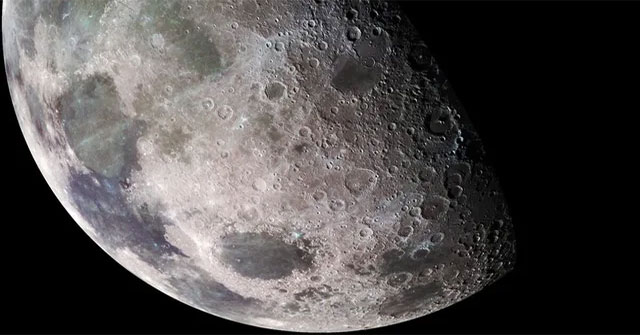
Over the past billions of years, Earth may have dumped about 3,500 cubic kilometers of water onto the Moon's poles.

Perhaps we will never be able to fully understand the natural world, because strange and mysterious things keep happening.
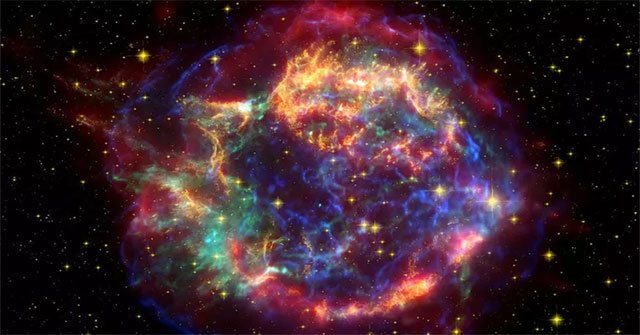
Physicist Amir Siraj and Harvard University's Professor Abraham Loeb suspect that some space bullets may be attacking our atmosphere when traveling at a speed of 3,000 k…
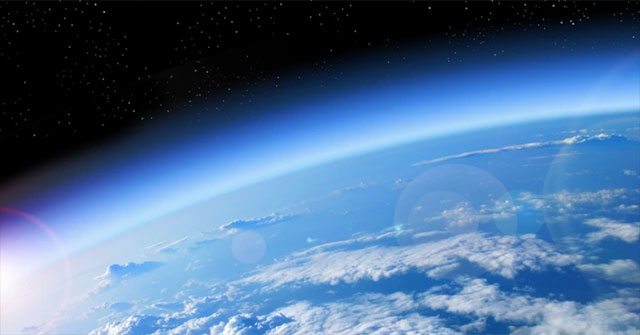
According to experts, what remains is silicate minerals like clay and quartz, which are thought to have invaded the atmosphere in the form of particles - the dust partic…
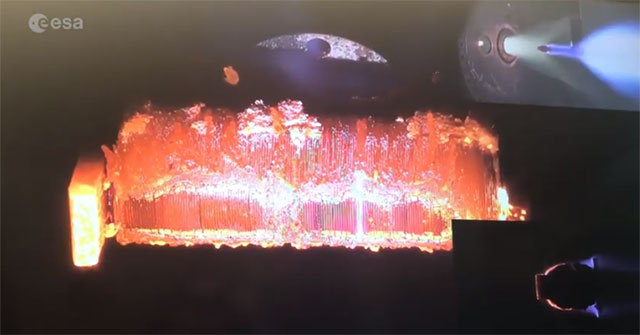
The European Space Agency (ESA) has published on its website a video of the experiment in which part of the space satellite is melted in the plasma wind pipe.
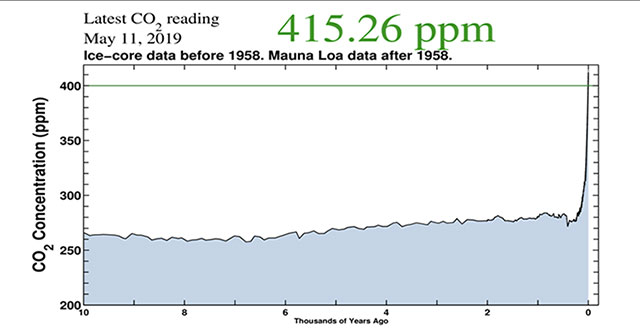
The concentration of CO2 on Earth has reached 415 parts per million (ppm) - the highest level since humanity appeared on this planet.
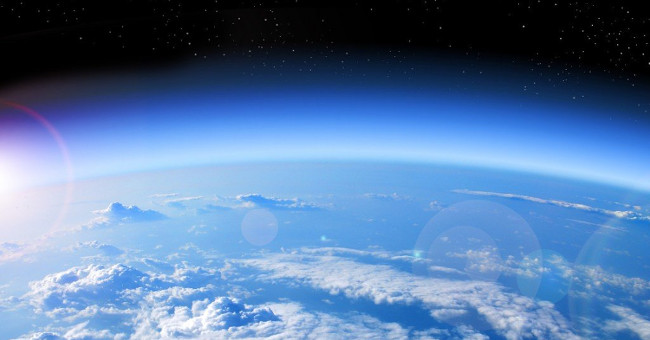
What if the Earth is no longer atmospheric?
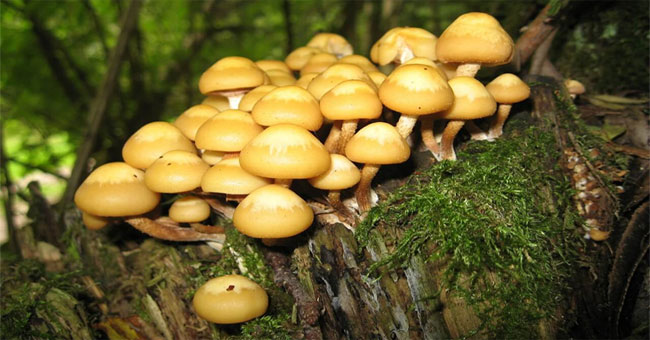
Without plants, our Earth could hardly have this easy breathing atmosphere.
The study, published in the journal Nature Climate Change (USA), shows that CO2 itself contributes to the Earth's green color.
Oxygen may have accumulated in the Earth's atmosphere hundreds of millions of years earlier than previously estimated.