Space science
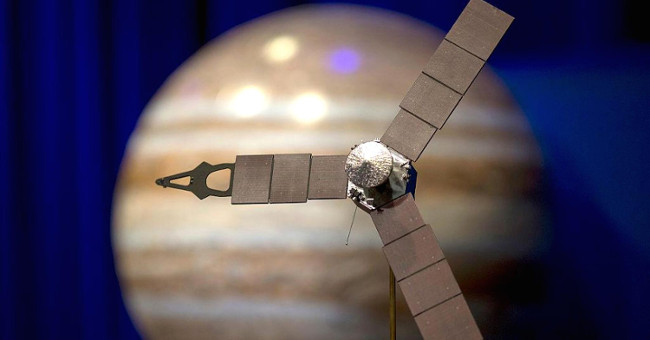
Tomorrow, NASA satellite officially approached Jupiter
At 22:00 today, July 4 in the US (ie 10 am 5/7 in Vietnam time), NASA's Juno unmanned space shuttle will approach Jupiter closer than any other ship. Any cylinder before.
Browse ScienceInfo articles and explainers related to Earth.
6,625 published items.
At 22:00 today, July 4 in the US (ie 10 am 5/7 in Vietnam time), NASA's Juno unmanned space shuttle will approach Jupiter closer than any other ship. Any cylinder before.
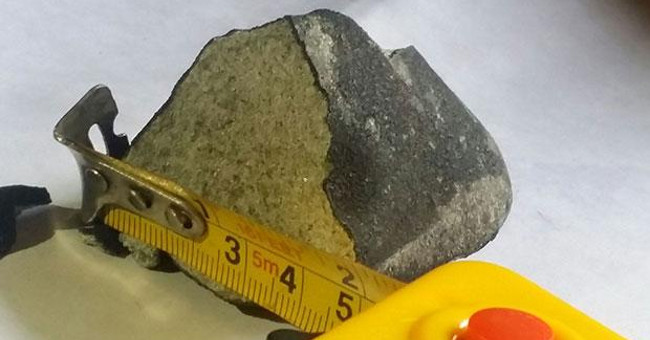
A seemingly ordinary morning became unattractive by the strange phenomenon in Muang district, Phitsanulok province, Thailand. A stone, probably a meteorite, fell through…
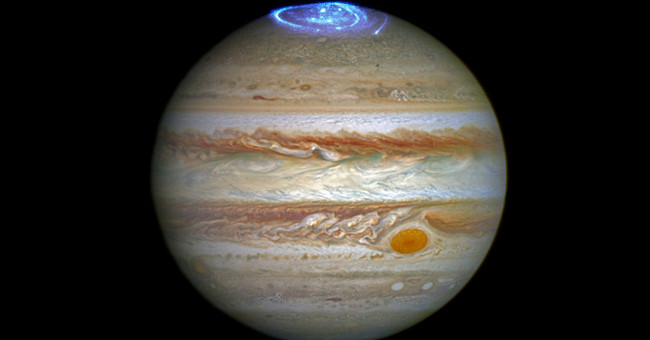
Jupiter's magnetic field is hundreds of times higher than Earth's, so the aurora phenomenon on this planet never stops and has a greater intensity than on Earth.
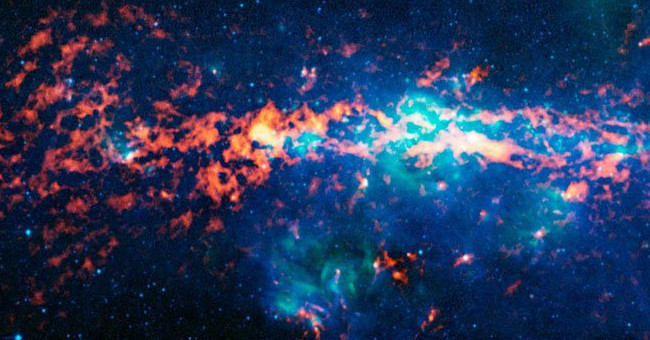
This revolutionary discovery can help us find the origin of life in the universe.
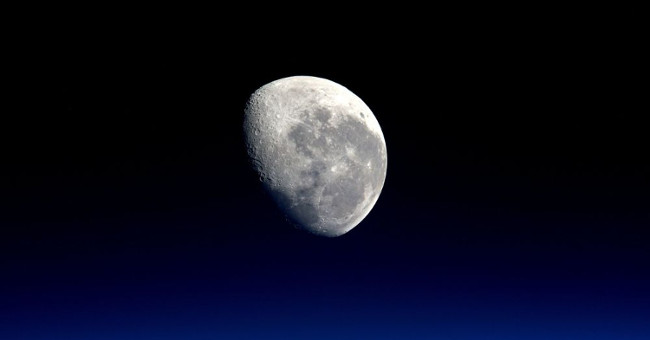
The page Tech Insider snatched a very loud headline:
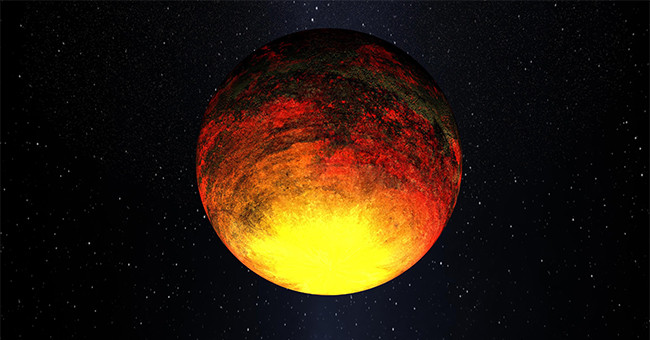
It is the largest, dense, smallest, closest to earth, the planet has hail, many sunsets, the hottest, the oldest ...
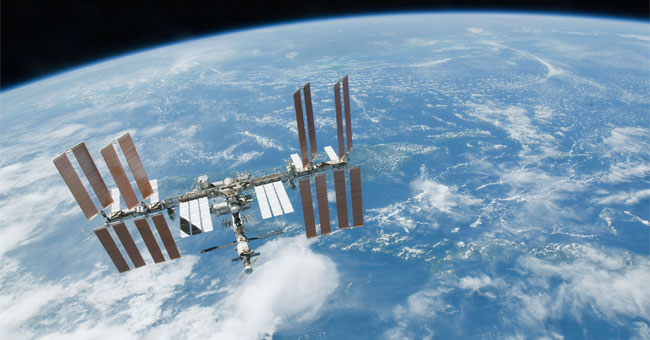
You know, the golden era of space science began in October 1957, when the Soviet Union launched the first artificial satellite - Sputnik 1 - into Earth's orbit. And so f…
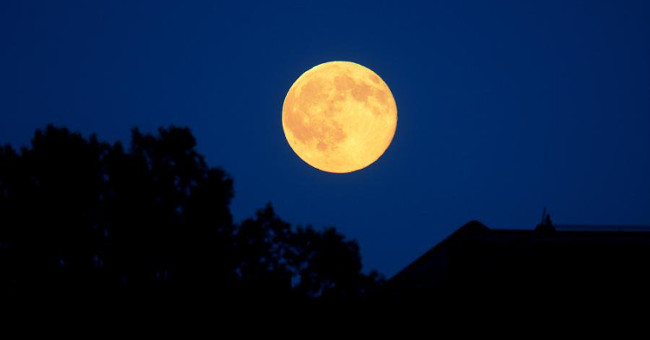
Strawberry moon phenomenon coincides with summer solstice, the astounding astronomical event for the first time in 50 years, appeared today.
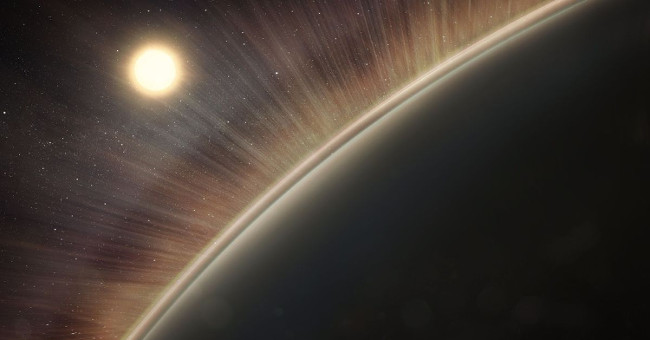
Not only Mars, but Venus also had water on it. And so far, experts have found the reason why water disappears.
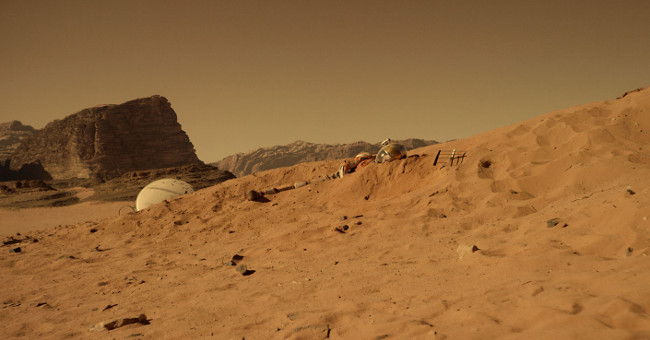
Experts suspect that Mars will smell a bit harsh. This smell will be similar to the smell of sweet pollen mixed with sulfur.
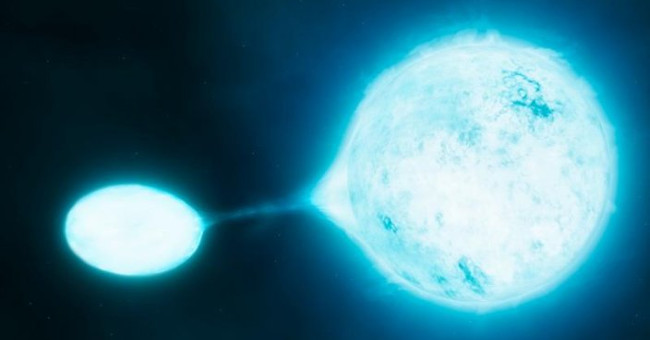
For the first time astronomers discovered gravitational waves that bounced back from a collision between two black holes more than a billion years ago.
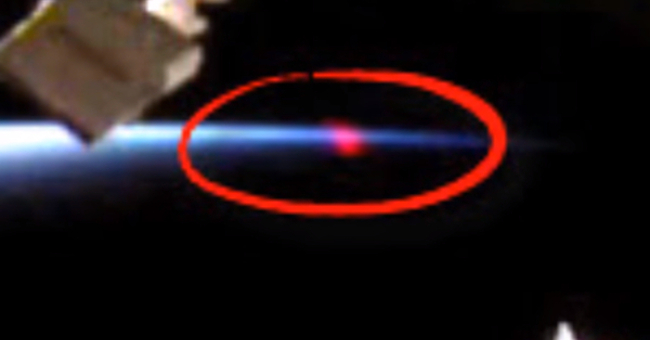
A strange bright spot suddenly appeared on the international space station ISS is causing a stir.

Venus, the second planet near the Sun is a pretty amazing star. Discover the strange things about one of the
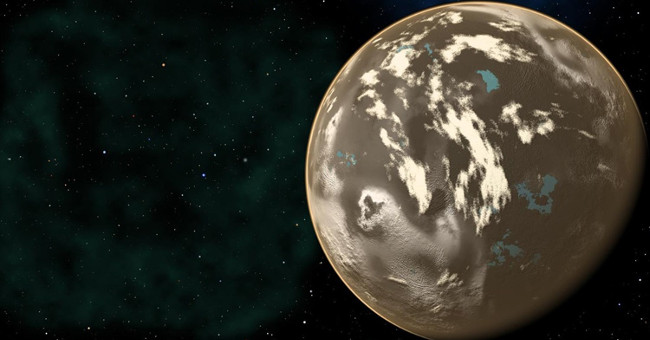
New research by American scientists indicates that diamond planets may contain the first life form in the universe.
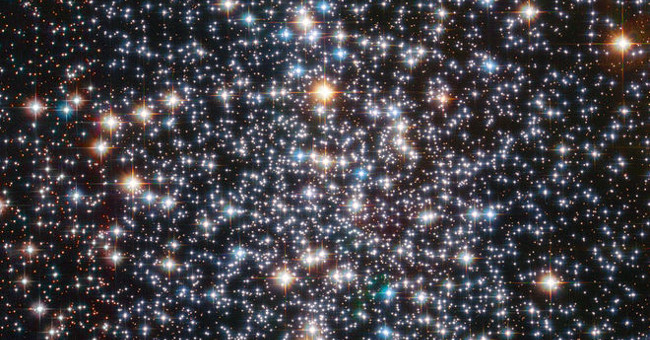
British scientists successfully reproduce the sound of some of the oldest stars in the Milky Way.