
Space science
Discovering the super giant structure that can
Astronomers discovered super giant structures moving at a speed of 50km / s across our Milky Way, including Earth.
Browse ScienceInfo articles and explainers related to Earth.
6,625 published items.
Astronomers discovered super giant structures moving at a speed of 50km / s across our Milky Way, including Earth.
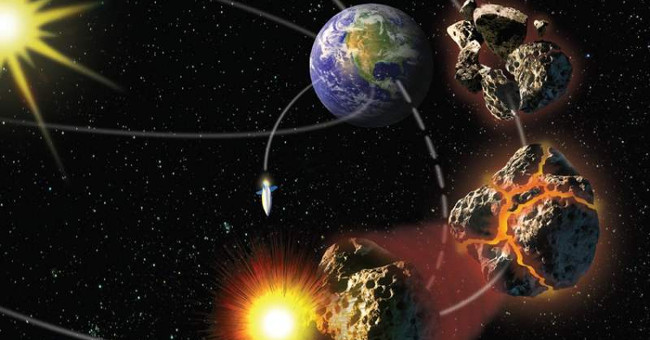
Europe is cooperating with Russia using nuclear missiles to prevent asteroids from colliding with the Earth, although the United States also used it earlier.
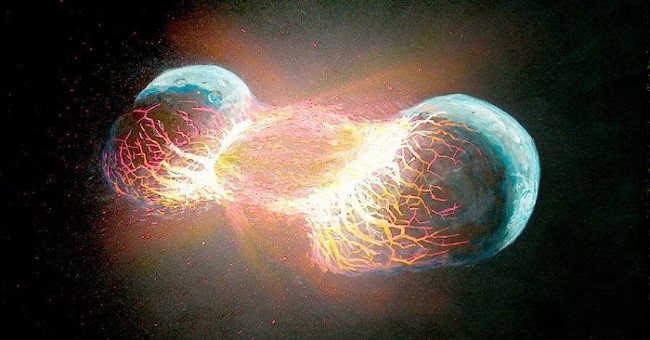
Recently, a study by the University of California (USA) has concluded that our Earth today is a combination of two planets from more than 4.5 billion years ago.
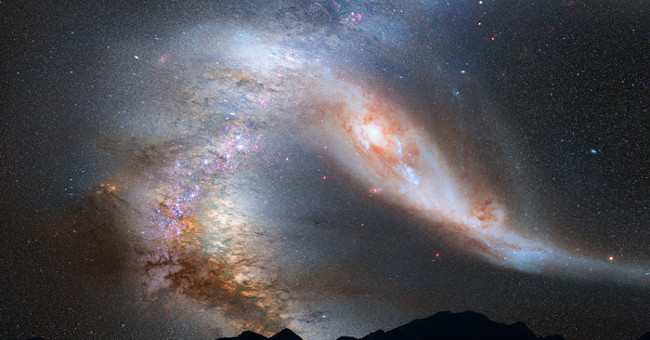
The nearby Andromeda galaxy is rushing towards the Milky Way, which can change the night sky from the Earth.
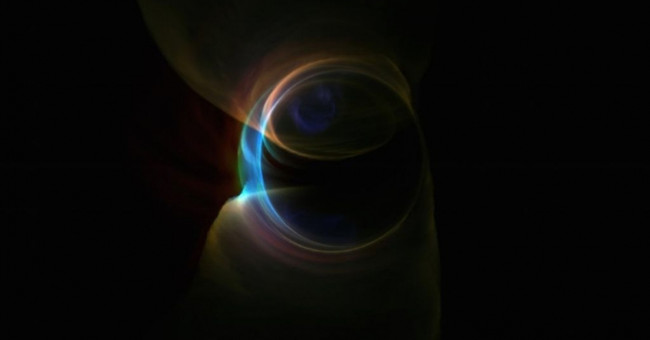
With a system of 9 radio telescopes located in many parts of the world, scientists will for the first time in history capture the image of the supermassive black hole lo…
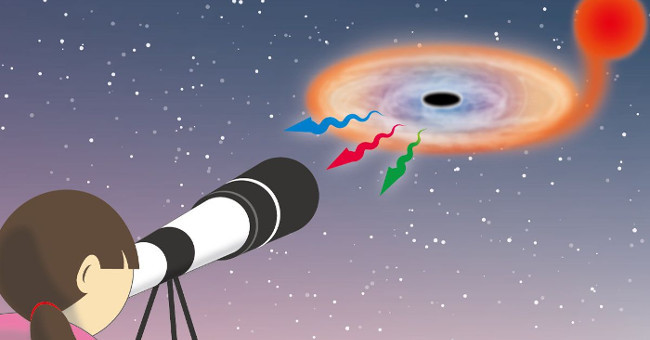
The only device to observe an active black hole near the Earth is a 20cm diameter telescope.
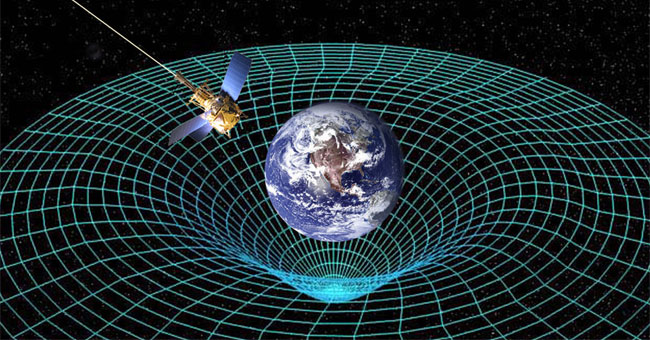
A Belgian mathematician proposed to build devices to create and manipulate gravity in order to apply to communication instead of electromagnetic waves today.
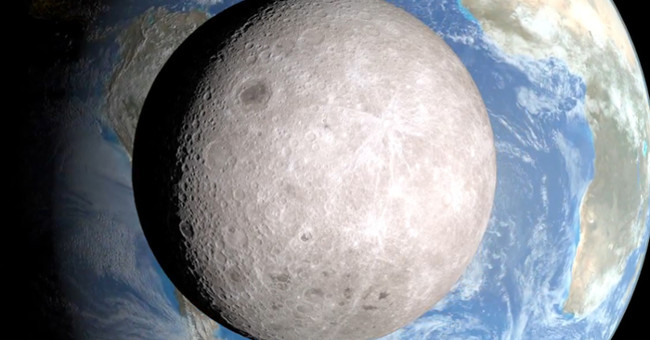
China is planning to become the first country to send the spacecraft to the dark areas of the Moon, an area that cannot be seen directly from the Earth and has never bee…
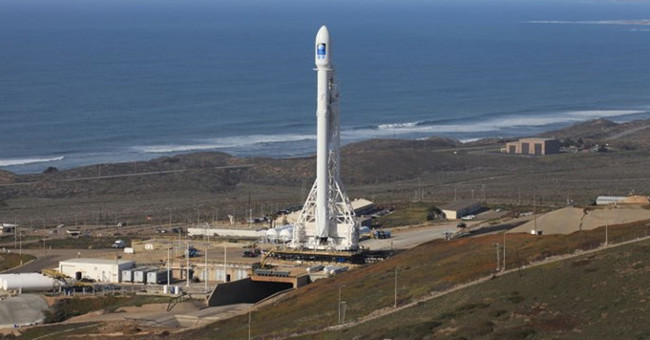
SpaceX's Falcon-9 rocket (USA) on January 17 after launching and sending Jason-3 satellite into orbit and returning to Earth, straightening down on a deck outside the Pa…
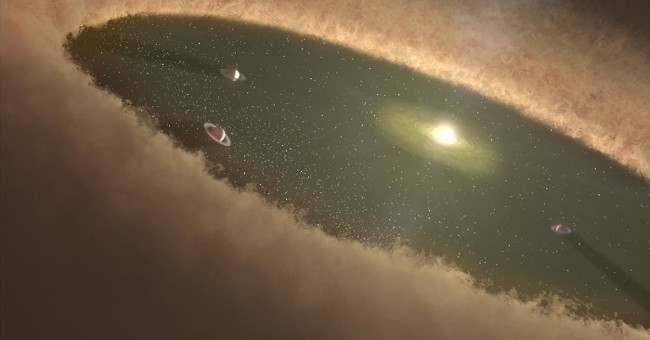
The latest image shows the close-up of the planet Lk C15, which gave birth to scientists.

American astrophysicists discovered a black hole

European Space Agency ESA is planning to bring people to live and work on the Moon for the next 15 years.
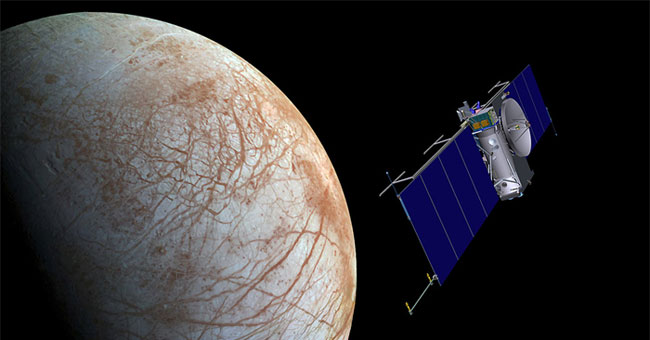
NASA intends to spend $ 25 million to discover the satellite Europa - which has an ocean and is believed to contain life beyond Earth.

New Horizons spacecraft from NASA has just returned to Earth with the latest image of the surface of the Pluto causing a stir in the scientific world.

You must paste the 18,416 first-class stamps of Royal Mail to cover the cost of the letter.