
Oceanography
How Does a Coral Reef Ecosystem Work?
A coral reef ecosystem is a network of corals, algae, fishes, invertebrates, microbes and physical processes that recycle energy and nutrients in nutrient-poor tropical…
Browse ScienceInfo articles and explainers related to Ecosystem.
330 published items.
A coral reef ecosystem is a network of corals, algae, fishes, invertebrates, microbes and physical processes that recycle energy and nutrients in nutrient-poor tropical…
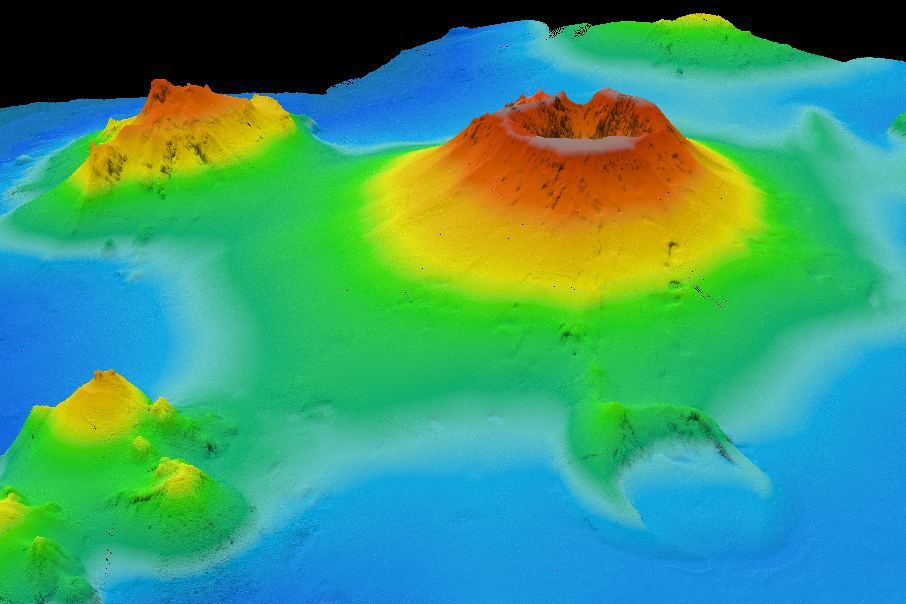
The seafloor's struggle to recover from Tonga's 2022 Hunga eruption is real—but tiny marine pioneers are returning, slowly transforming the grey plains into a vibrant la…

Both space and time seem to be frozen inside it, behind the tin shell, just waiting for someone to open it one day.
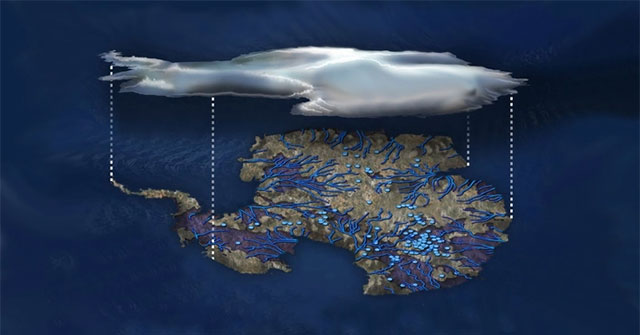
Scientists have confirmed that an almost completely ice-covered area in Antarctica hides a
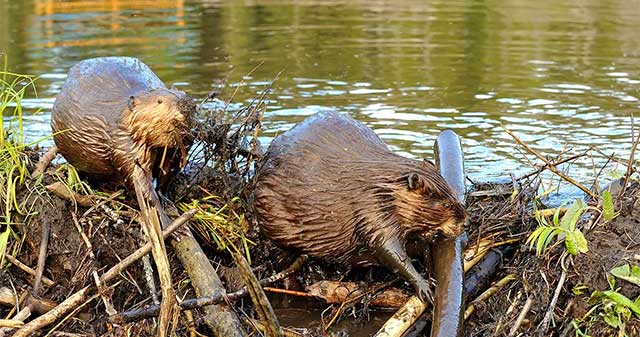
With their ability to build dams across streams, beavers are like architects who can restructure the surrounding ecosystem.

Autonomous fish can collect eDNA samples and film underwater, providing a detailed panorama of the underground environment without negatively affecting seabed organisms.
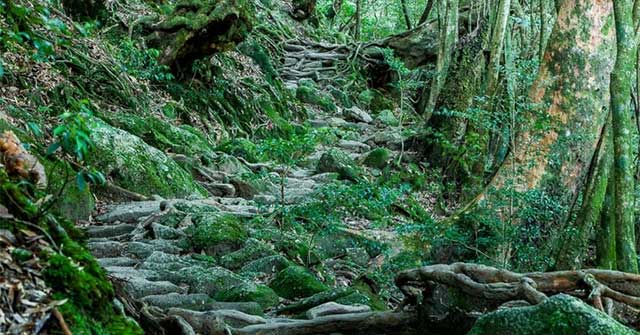
Yakushima is an island in Japan with a very humid climate, which helps maintain an ancient deciduous forest full of creatures and plants, especially deciduous trees.

Earth has only 20 ancient lakes more than one million years old, the oldest of which formed 25 million years ago.
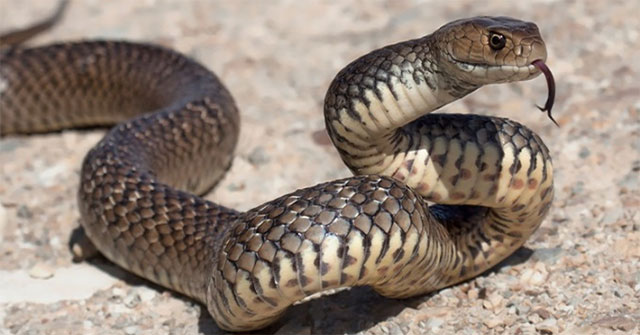
The right ecosystem and random chance make Australia a promised land for animals that use venom as biological weapons.

Kingsley Lake is distinctive for its unusual circular shape.

The US is facing an 'invasion' of 'super pigs', hybrids of wild boars and domestic pigs, as previous control measures have been ineffective.
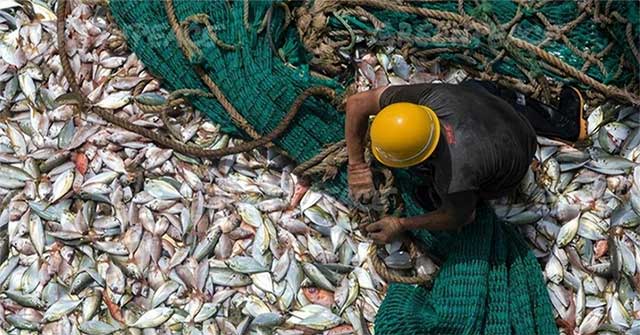
For a long time, fish has become an indispensable dish on the dining table of every family in China.
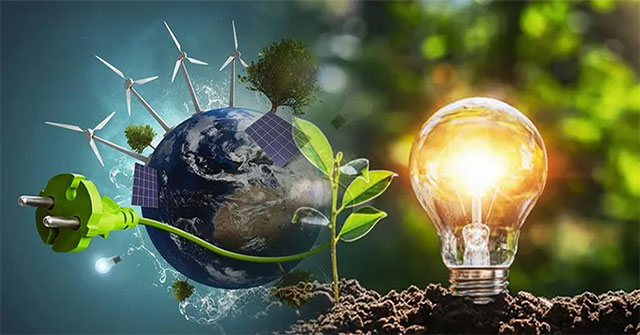
Understanding the mechanism of geobatteries will help people have a broader perspective on wetland ecosystems, thereby approaching new ways to combat climate change.
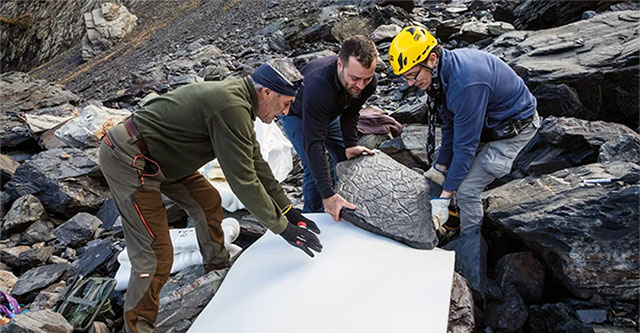
An Italian woman's accidental discovery has helped scientists unearth an entire ecosystem belonging to the world before the dinosaurs.
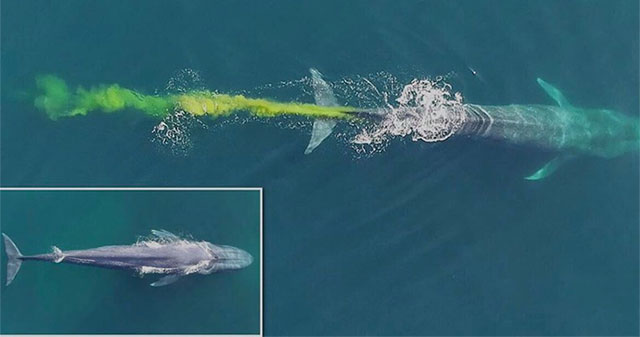
The answer is definitely yes, aquatic animals definitely do pee. Urine from marine life forms an important part of the nutrient cycle in our oceans.