
Archeology
High winds exposed 2000-year-old mummies in the sand that surprised archaeologists
Archaeologists are like 'digging gold' when they accidentally discovered 2,000-year-old Egyptian mummies exposed beneath the hot, thick sand.
Browse ScienceInfo articles and explainers related to Egypt.
783 published items.
Archaeologists are like 'digging gold' when they accidentally discovered 2,000-year-old Egyptian mummies exposed beneath the hot, thick sand.
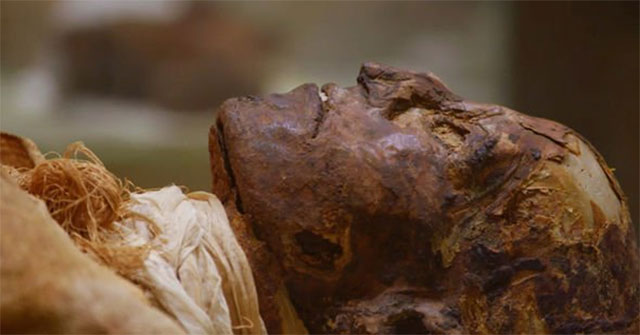
Egyptian archaeologists are filled with joy after deciphering the mysterious 3,000 years after discovering 'huge treasure' in a 13m deep pit.
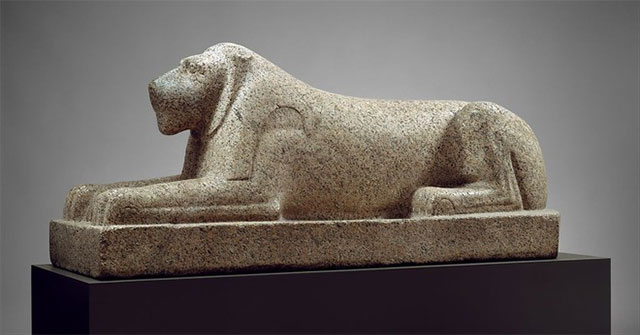
The Egyptian Antiquities Ministry said researchers had unearthed an unusually large animal mummy, most likely a lion mummy.
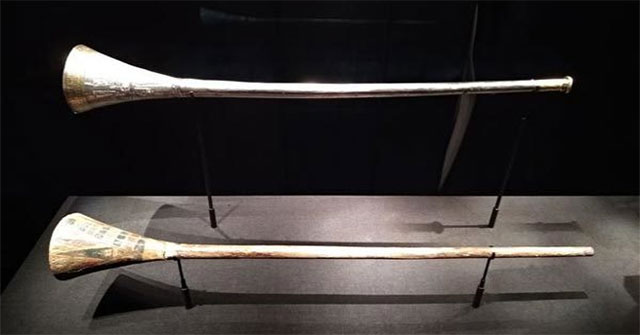
The pharaoh's horn was famously used only three times in the past 3,000 years. But every time he spoke, a disaster soon followed.

The results of the 3D scan reveal that the 2,500 year old mummy could be assembled from parts of many different cats.
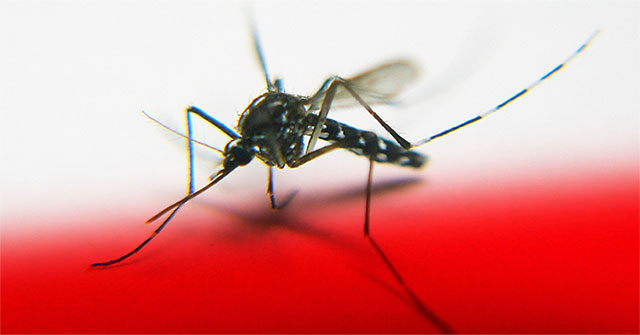
Students at Ben Gurion University (southern Israel) have developed a biological method that uses genetically modified bacteria to kill mosquitoes.
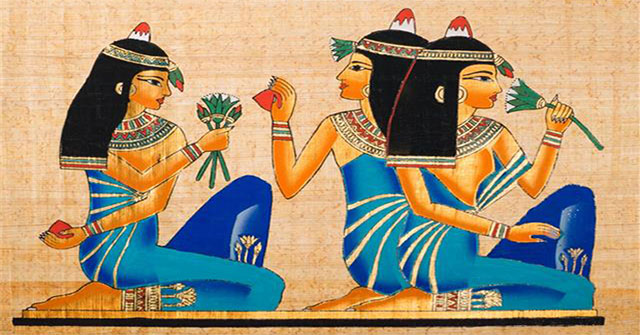
Ancient Egyptians shaved their head to prevent lice, took laxatives to clean the intestines, used turtle shells, ostrich shells to deodorize body odor ...
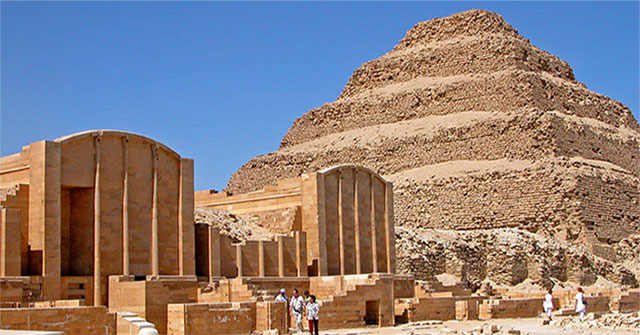
Finding hundreds of ancient pyramids has shocked Egypt's archaeologists in particular and the world in general.
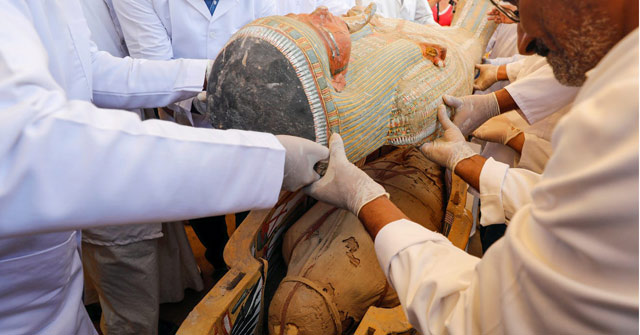
Archaeologists have opened the lid of 30 3,000-year-old coffins discovered in Egypt's Asasif cemetery and were surprised to find the mummies inside intact, perfectly pre…

A flooded ancient Egyptian tomb surprised archaeologists, after they drew water and discovered large, intact artifacts covered in thick mud.
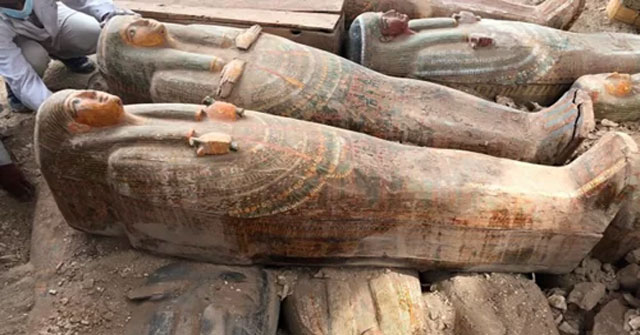
Archaeologists found at least 20 wooden coffins in the Asasif graveyard, Luxor city.
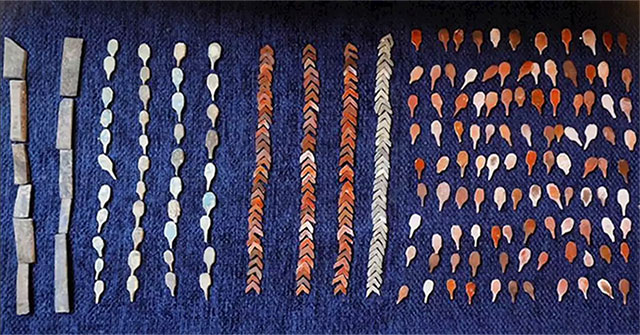
The ancient industrial zone dates back to the 18th Dynasty, focusing on a series of workshops, warehouses and valuable artifacts dating back thousands of years.
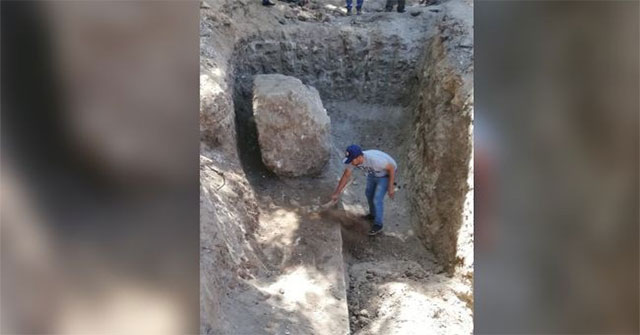
An ancient temple of the pharaohs, splendid and mysterious, has been found rarely on the banks of the Nile, in Egypt.

Dengue is essentially caused by a virus, but the virus does not naturally spread to humans. Midges are the vectors of disease transmission.
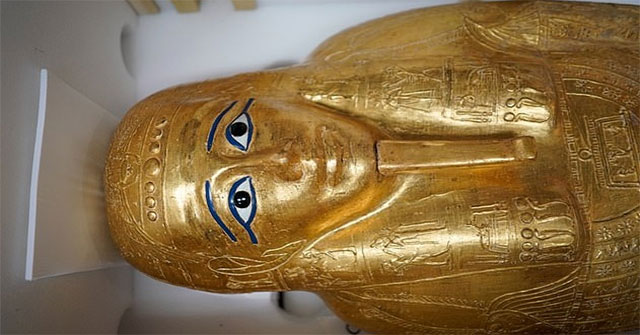
The thousand-year-old golden coffin will be moved from New York to its native Egypt after a long time of loss.