
New technology
Development and testing of the world's largest zero-emissions commercial aircraft
Alaska Air Group and ZeroAvia are developing and testing an improved De Havilland Q400 76-seat aircraft with a range of 805km.
Browse ScienceInfo articles and explainers related to Emission.
570 published items.
Alaska Air Group and ZeroAvia are developing and testing an improved De Havilland Q400 76-seat aircraft with a range of 805km.

Now besides facing serious pollution of the environment or the greenhouse effect ... our Earth is facing another worrying phenomenon, which is the melting of ice. at bot…
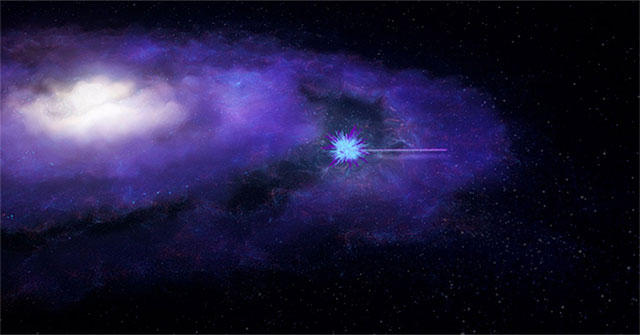
A mysterious flow of signals sent from space has revealed the discovery of missing material in the universe, providing a whole new perspective on this deep space.

A study by scientists from the Massachusetts Institute of Research has shown that if the road surface is made of stronger and stiffer material, it can significantly save…
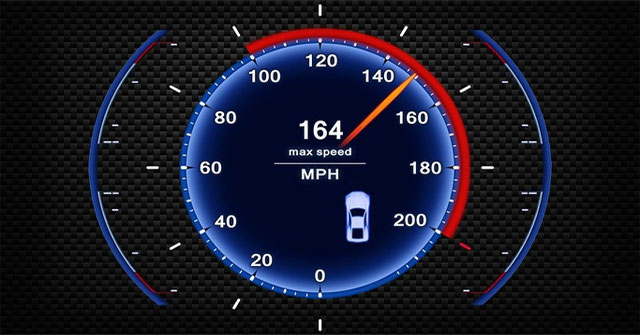
All cars have the ideal speed range for minimum fuel consumption, but this speed range for each vehicle varies, depending on the design and time spent.

Covid-19 is currently the biggest concern of the human race, but the present. Humans have an even bigger threat that has lasted for many years, called climate change!
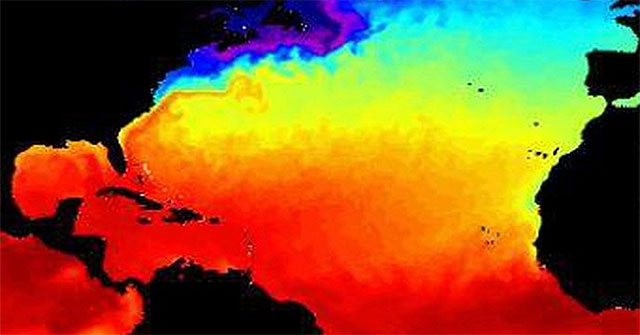
The world's oceans have reached record high temperatures, raising concerns about global warming effects that could make the weather of the year extremely extreme.
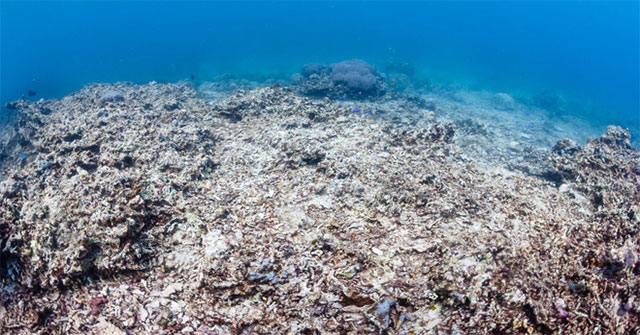
Another effect of CO2 emissions.
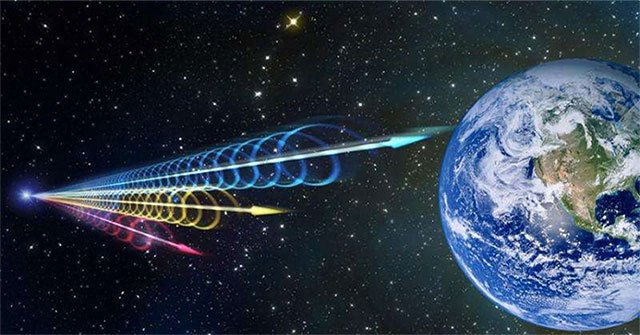
Radio emission (FRB), one of the greatest mysteries in the field of astronomy worldwide has been discovered in our galaxy system.

After discovering the amount of carbon emissions emanating from all over the lunar surface, a new study could rewrite experts' knowledge of the lunar formation.

For the next 50 years, residents of Latin America, the Middle East, South Asia, East Asia, Southeast Asia and parts of North America and Europe will have to live with ex…
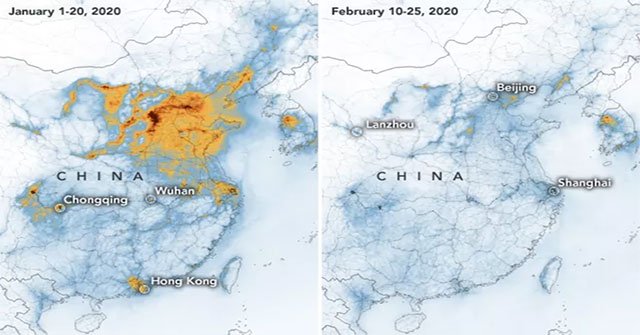
The satellites of NASA and the European Space Agency have recorded a significant decrease in the amount of greenhouse gas nitrogen dioxide (NO2) in China.
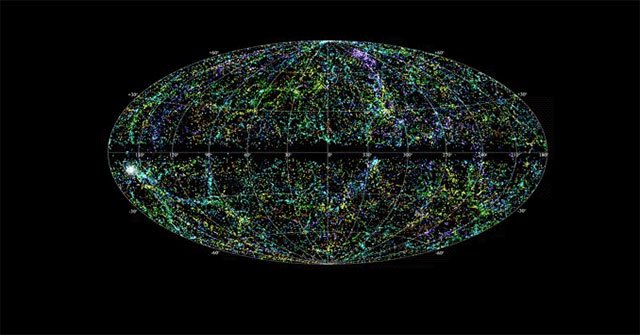
According to a new study, a fast radio explosion (FRB) has been discovered coming from a galaxy 500 million light-years from Earth and it keeps repeating every 16 days.

Even CO2 concentrations peak when the first month of 2020 is not reached. Sadly, each year we record a new record of atmospheric CO2.
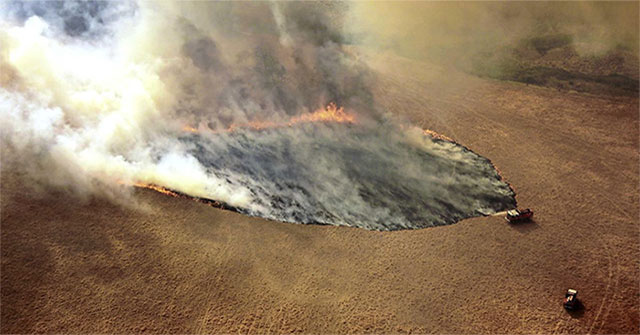
Carbon emissions from forest fires raging in Australia are on par with the carbon emissions caused by the Amazon rainforest fire disaster last year.