New technology
In the future, you can charge your phone by clapping or dancing
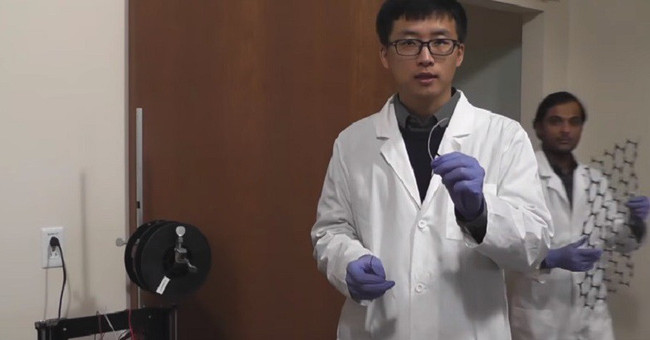
In 2017, Asian-American researchers from the Clemson Nanomaterial Institute (CNI) created simple and efficient nanogenerator-based nanogenerators called U-TENG.
Browse ScienceInfo articles and explainers related to Energy.
2,753 published items.
In 2017, Asian-American researchers from the Clemson Nanomaterial Institute (CNI) created simple and efficient nanogenerator-based nanogenerators called U-TENG.

The term nanotechnology (nano technology) refers to the study, study, synthesis and use of materials, devices or even nanoscale systems (1 billionth of a meter).
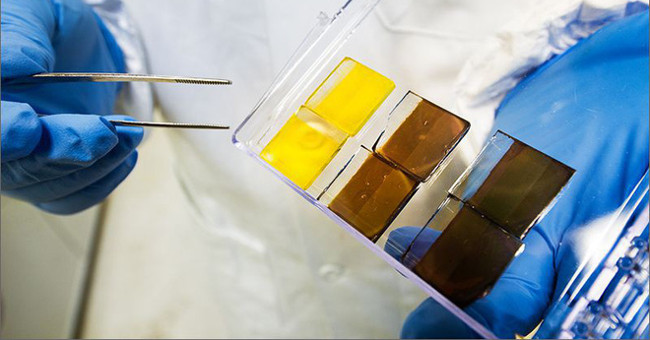
Solar panels can be used to build power plants hundreds of megawatts, or be scaled down to a few people think.

Despite the disastrous financial statements from quarter to quarter, Tesla is still considered the future of cars.
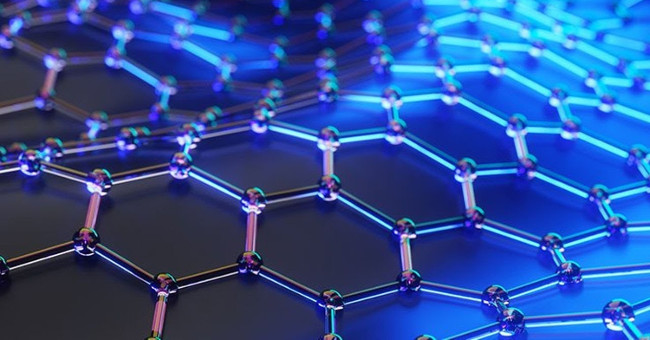
From a molecule once thought to be impossible, graphene has become a marvelous material in physics and promises to change the electronics industry in the future.
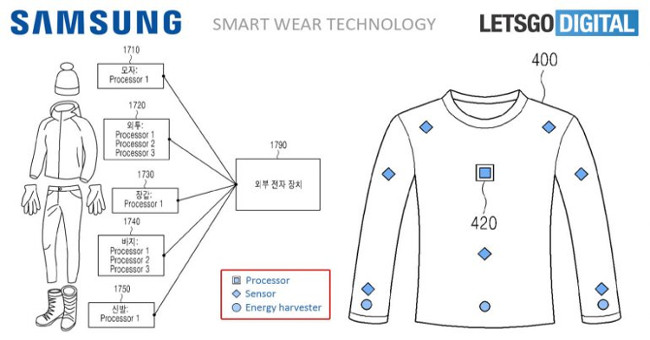
Smart clothes Samsung will be able to

A UK startup has been working with Shell and Argent Energy to produce biofuels from coffee used in diesel buses in London.
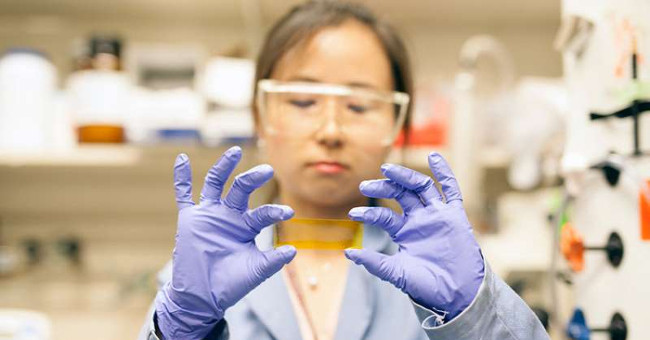
Researchers have created a new synthetic material that can be used to make a special battery that can store solar energy and emit it at any time at the desired amount.
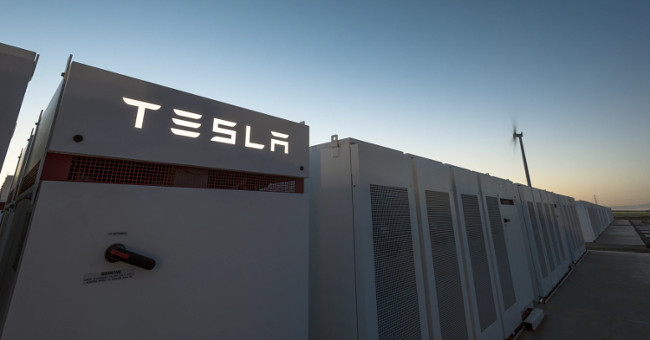
Elon Musk bet the world that he will create the world's largest battery in 100 days, and now he has done it.
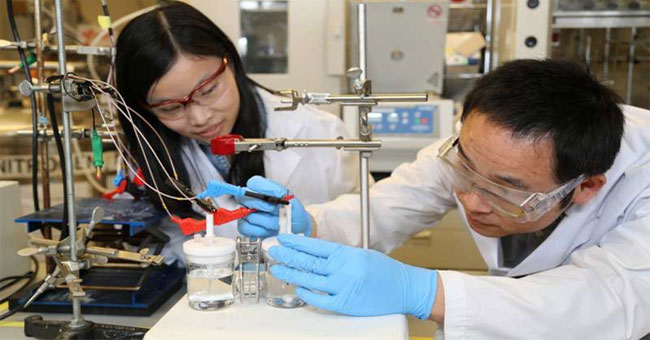
Researchers at U of T Engineering have taken a step closer to artificial photosynthesis when creating a new catalyst.
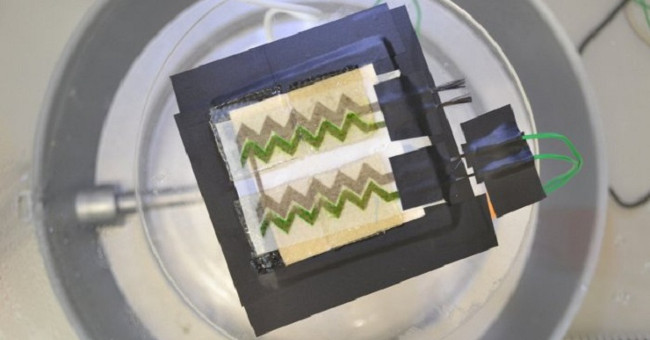
Environmental sensors for monitoring air quality, using energy from biofuel batteries, are environmentally friendly, laid out like wallpaper, are becoming a reality.
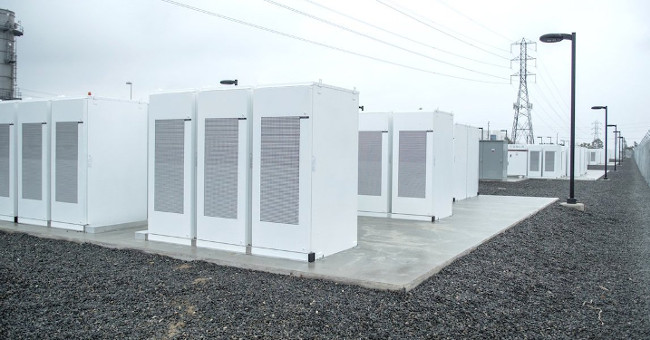
A research team from Stanford University has developed into a battery park that uses sodium at a much cheaper cost than lithium-ion batteries.

Irish scientists have discovered an enzyme called lysozyme that turns tears into electricity, according to Live Science.
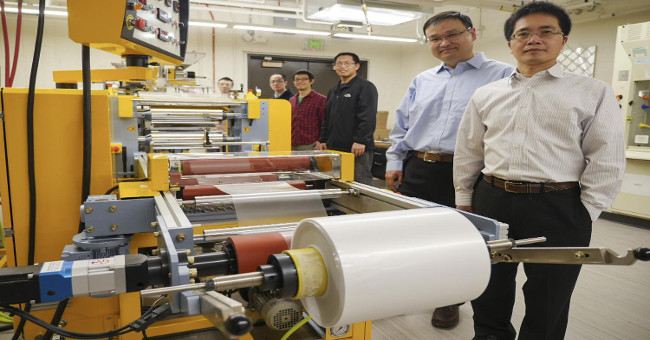
Scientists at the University of Colorado Boulder (USA) have invented a type of metal film that works to cool the surrounding environment without using electricity.

Researchers at the University of Washington have just overcome the inherent limitations of developing a very small device, do not use much energy and still work very wel…