New technology
Produces extremely high performance batteries from the things we still throw away every day
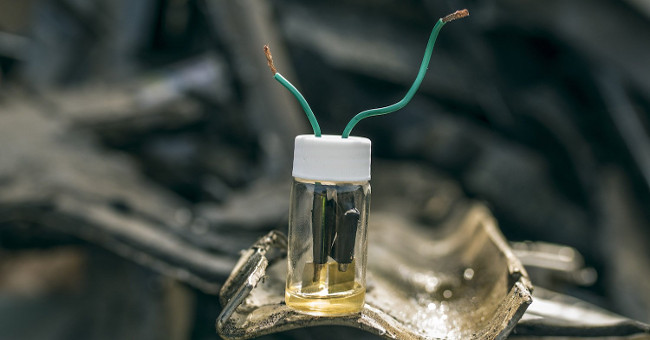
Cary Pint's batteries are small in size, made of steel, copper, and commonly used potassium hydroxide (found in detergents, dyes, etc.).
Browse ScienceInfo articles and explainers related to Energy.
1,626 published items.
Cary Pint's batteries are small in size, made of steel, copper, and commonly used potassium hydroxide (found in detergents, dyes, etc.).
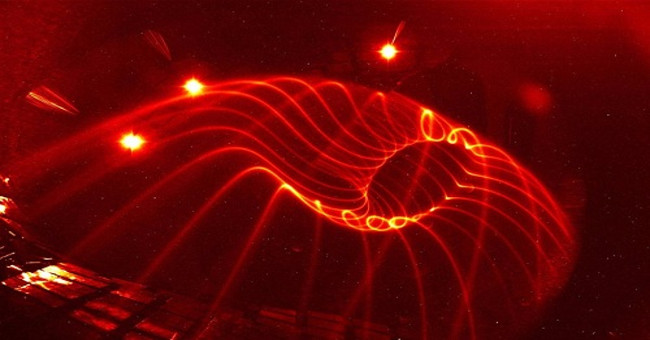
German reactors can produce powerful, high-precision 3D magnetic fields that can generate endless energy for humans.
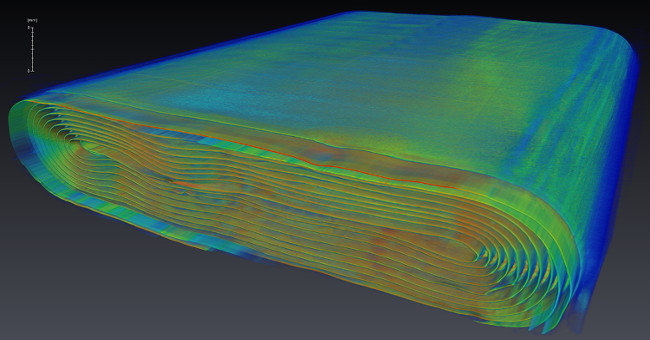
The X-ray image shows the telephone battery bulging and preparing to explode due to the accumulation of gas masses like a bulging pillow inside.
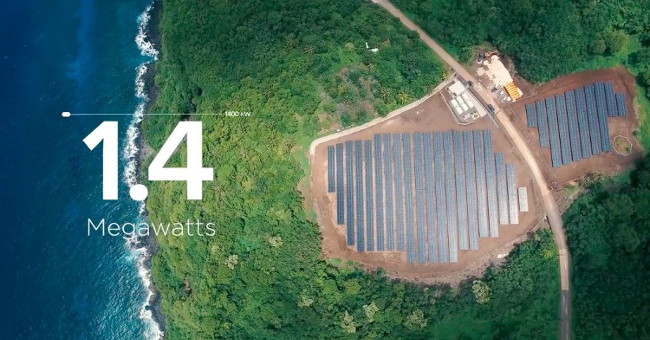
After acquiring SolarCity, the Tesla Group announced a major energy project: supplying electricity to the entire island of Ta'u in the American Samoa archipelago fro…

Immortal life, controlling the weather or communicating in the mind ... are the technologies expected to appear in the 22nd century.
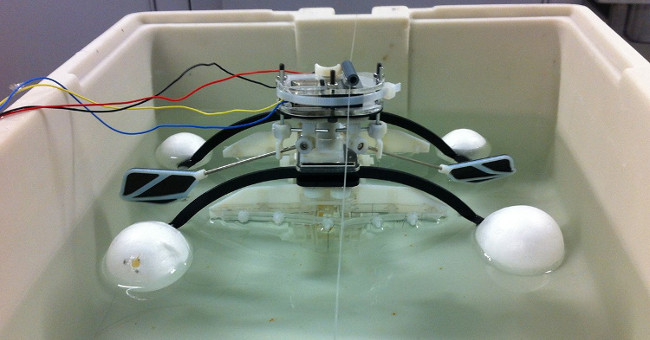
British scientists have successfully built a robot capable of eating and digesting food for energy like humans.
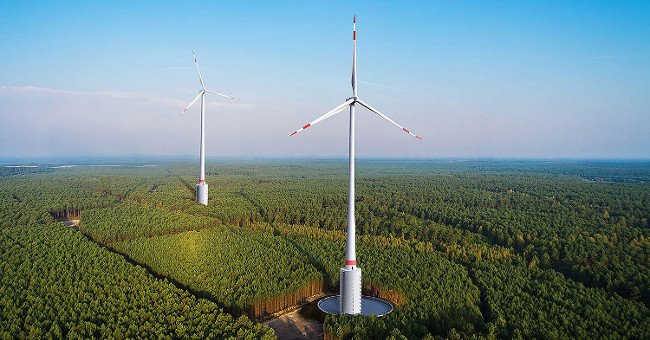
Recently, the International Energy Association (IEA) announced the global renewable energy source for the first time over coal energy, in which wind energy accounts for…
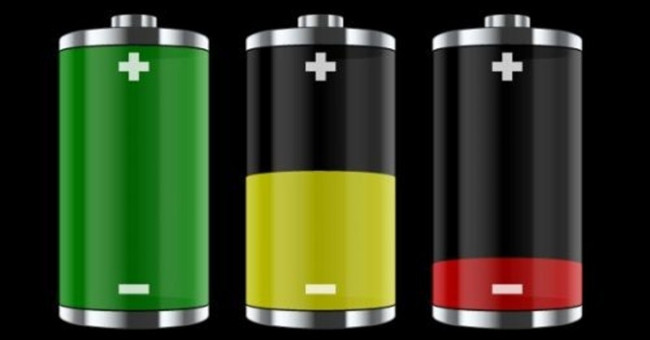
Scientists have successfully developed an experimental battery whose design is inspired by ... human gut.

According to the website dyaqua.it, the Italian company Dyaqua has made solar panels look no different than the common building materials such as tile, stone or even woo…
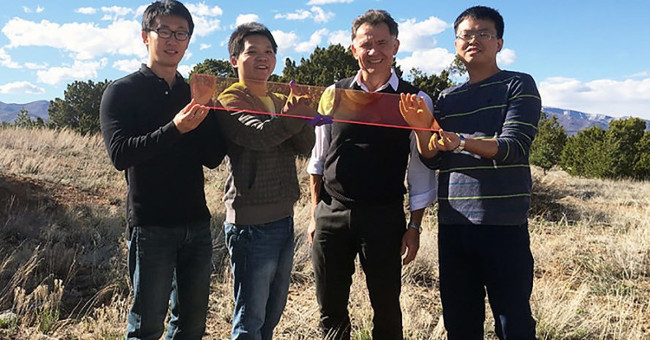
Researchers estimate that 12,000 windows at the World Trade Center in New York City can provide electricity to more than 350 apartments.

To get an idea of what cities will look like in the future, Business Insider has called on futurists, urban planners and designers to predict traffic trends and homes.…
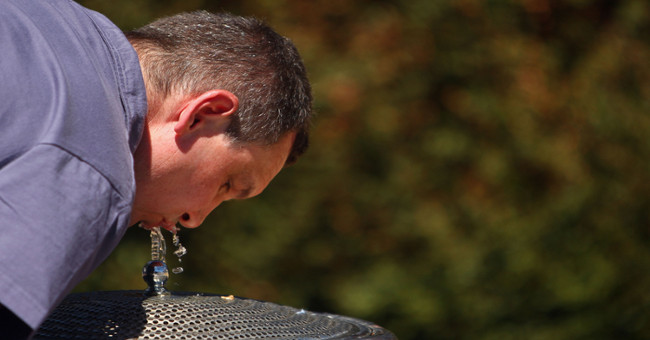
SunToWater uses solar energy to produce clean drinking water from the air.

A kite-powered power plant at half the cost of using wind energy will be built in Scotland.
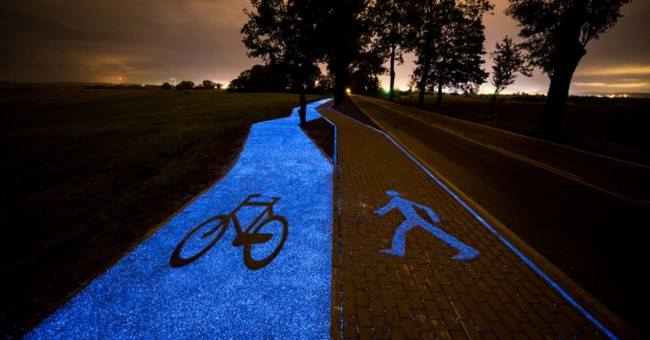
A road in Poland recently covered with phosphorescent particles capable of absorbing sunlight in the daytime and thereby emitting light at night until 10pm.
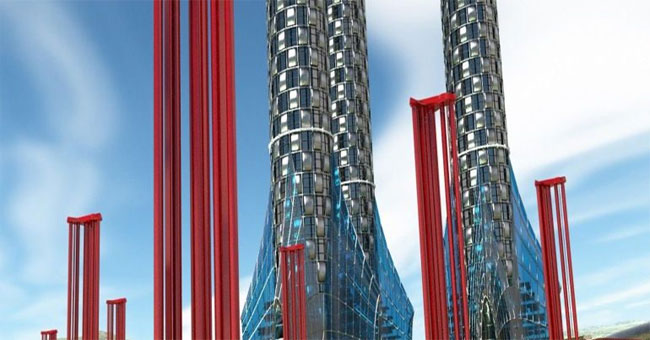
A Japanese engineer who invented the world's first storm turbine could supply clean energy to the entire country for half a century.