
Medicine - Health
The reason we often put salt in food
Salt damages bacterial enzymes and DNA, while dehydrating food so bacteria do not have a favorable growth environment.
Browse ScienceInfo articles and explainers related to Enzyme.
226 published items.
Salt damages bacterial enzymes and DNA, while dehydrating food so bacteria do not have a favorable growth environment.

The common methanol poison in illicit alcohol is just different from ethanol in the amount of carbon and hydrogen atoms but can be deadly in small doses.

Hepatic enzyme elevation is a warning sign of inflammation or necrosis of liver cells that, if not controlled well, will develop into hepatitis, cirrhosis, and even live…

A group of Mexican scientists have discovered an enzyme called CD38, which inhibits metabolic processes and specifically reduces the amount of DNA molecules in the elder…
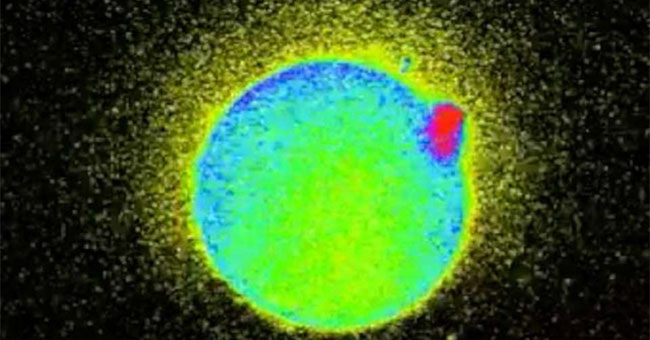
At exactly the moment a sperm touches an egg, billions of zinc atoms have fired from the surface of the egg. Using fluorescence microscopy, scientists found zinc rays em…
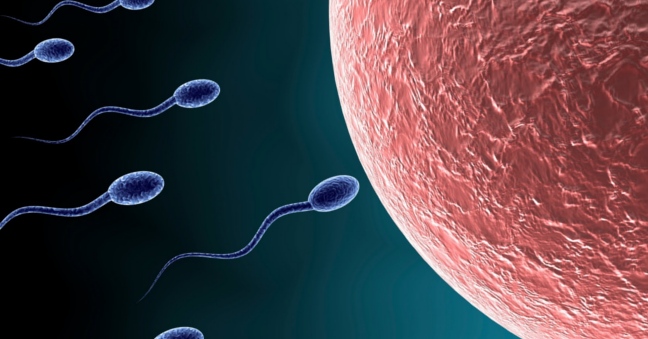
ABHD2 enzyme -

US scientists have justified the reason why freshwater fish and some amphibian species can see infrared and the ability of the eye to change flexibly for different envir…
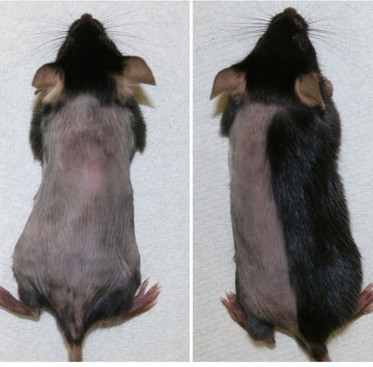
By blocking the activity of an enzyme, scientists from Columbia University (New York, USA) said they have found a promising method of treating alopecia as well as baldne…

You are familiar with the phrase

Pineapple is a fruit (fruit) in the tropics that is often used as a fruit for health thanks to the rich content of vitamin C and vitamin B1.

Russian physicists can create chips with terahertz radiation, which helps extend a person's life by at least 40 years.

The habit of lifting glasses on Tet holiday is a risk factor for elevated liver enzymes. So how to prevent this risk to catch a happy New Year?
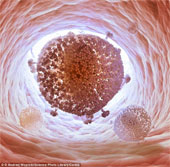
Scientists have found a way to erase the HIV virus from the human genome by using an enzyme to shred them.

Excessive exposure to the sun is a leading cause of skin aging.
French scientists have just announced the discovery of a gene mechanism that helps some people become immune to the effects of HIV.