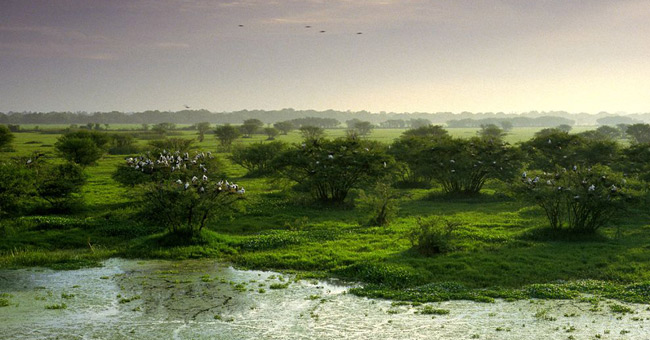
World Heritage
Keoladeo National Park - India
Unesco's Scientific, Educational and Cultural Organization has recognized Keoladeo National Park of India as a World Natural Heritage in 1985.
Browse ScienceInfo articles and explainers related to EoL.
1,240 published items.
Unesco's Scientific, Educational and Cultural Organization has recognized Keoladeo National Park of India as a World Natural Heritage in 1985.

The Unesco Scientific, Educational and Cultural Organization has recognized - The City of Thebes and its archaeological sites are the World Cultural Heritage in 1979.
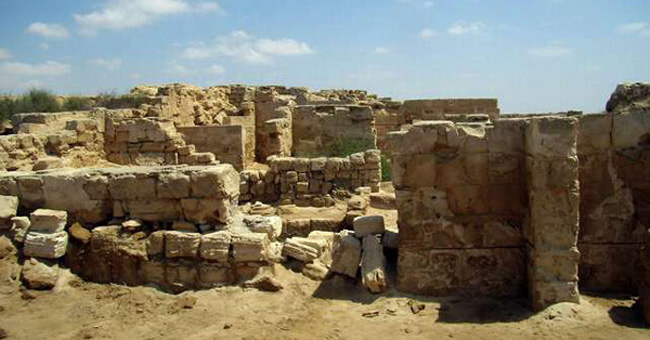
Unesco's Scientific, Educational and Cultural Organization has recognized Egypt's Abu Mena Heritage as a World Cultural Heritage in 1979.
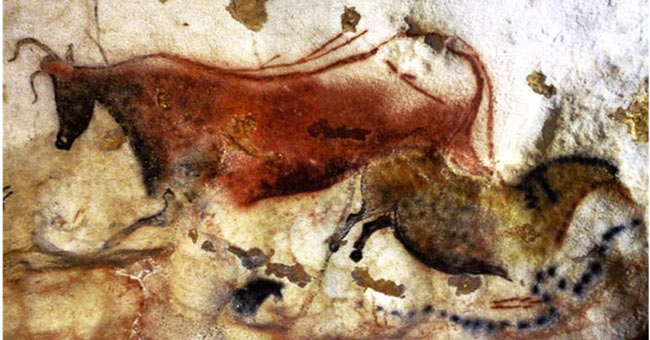
Unesco's Scientific, Educational and Cultural Organization recognized the prehistoric archaeological site in the Dordogne valley and the caves in France's Vézère valley…

The United Nations Science, Education and Culture Organization has recognized China's Lu Son National Park as a world cultural heritage in 1996.
Unesco Scientific, Educational and Cultural Organization Unesco recognized L Archaeological Site 'Anse aux Meadows of Canada is a World Cultural Heritage in 1978.
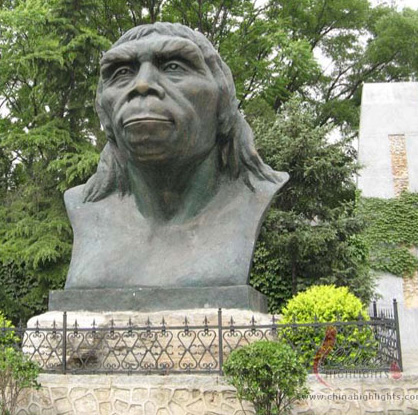
Unesco's Scientific, Educational and Cultural Organization has recognized the

US scientists have claimed to have discovered and identified the date of ancient coral reefs near the Deepwater Horizon rig incident.

Scientists at the British National Oceanic Center have discovered craters at a depth of 5 km in the Caribbean Sea.
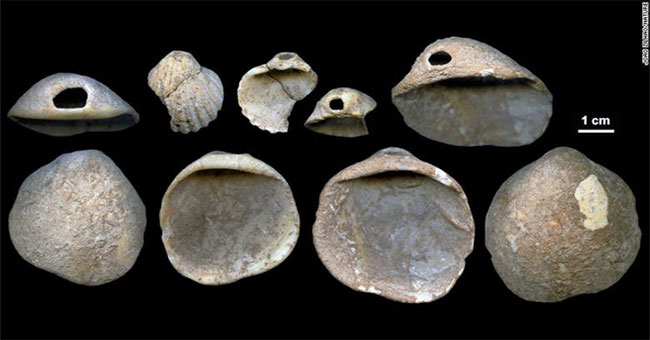
Scientists recently published archaeological findings in Algeria with many animal and stone tools showing that not only East Africa, but all of Africa, is the cradle of…
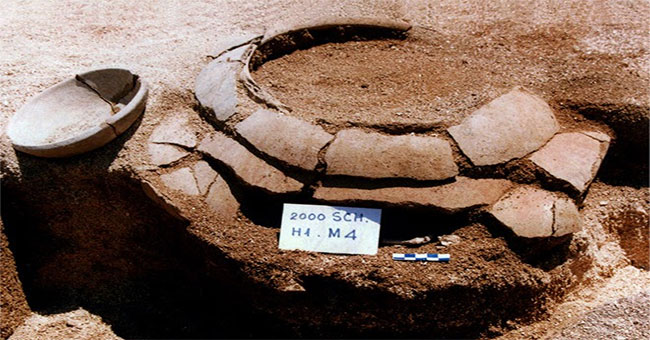
On November 13, Dr. Doan Ngoc Khoi - Deputy Director of Quang Ngai General Museum said that the Department of Culture has just unearthed the Suoi Kinh archaeological sit…
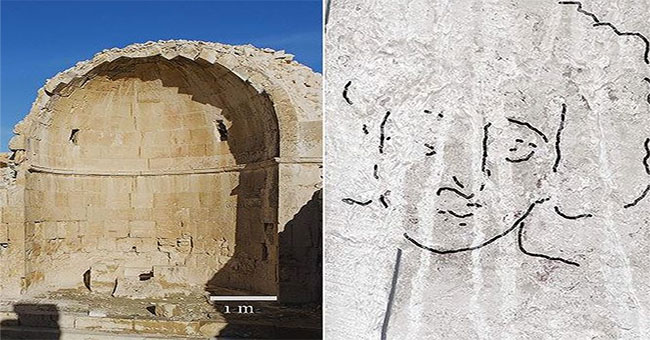
A 1,500-year-old painting depicting an unprecedented face of Christ discovered at a Byzantine church located in Israel's Negev desert.

These pictures are carved on the walls of a large Roman reservoir, 12 meters deep. This site was discovered while preparing to build a new residential area in the city o…
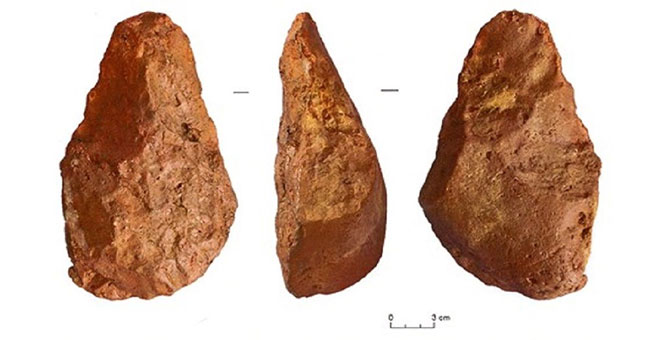
The results of archaeological excavations at the former Stone Age relic in An Khe town, Gia Lai province of international stature, have shocked the archaeological world.
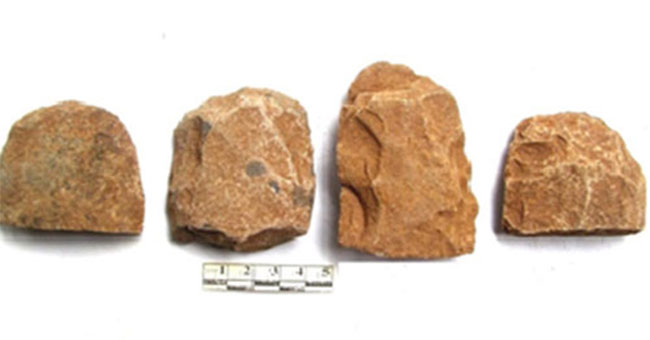
For the first time, Vietnamese scientists found the relics of the late post-Stone cultural inhabitants about 4,000 years ago.