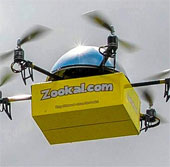
New technology
Book rental via unmanned aerial vehicle
Zookal has partnered with Ozzie to launch a unique program called Flirtey, which will help deliver books to the needy through unmanned aerial vehicles (UAVs).
Browse ScienceInfo articles and explainers related to Equipment.
981 published items.
Zookal has partnered with Ozzie to launch a unique program called Flirtey, which will help deliver books to the needy through unmanned aerial vehicles (UAVs).
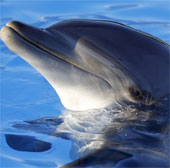
British scientists have created a dolphin-inspired ultrasound that can detect people trapped underground or buried in snow.
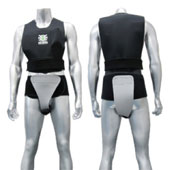
Radiation is an issue that can not be underestimated, especially in Japan, as the country is already dealing with a nuclear disaster.

The Russian Defense Ministry will officially launch a new vision-support device with thermal imaging technology by the end of October 2013.
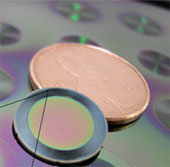
Honeywell has recently developed a sensor that allows devices to be able to
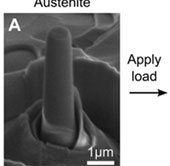
Two researchers from the Massachussetts Institute of Technology (MIT) and two Singapore colleagues have just created a ceramic that can bend and return to its old shape.
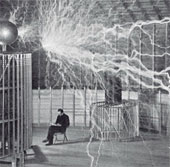
In the future, the transmission of electrical power to electrical equipment will not require wiring, which is considered to be relatively safe for human beings.
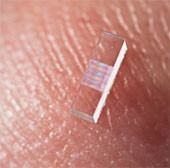
In the first experiment, electron particles were accelerated to near the speed of light in a conventional accelerator.
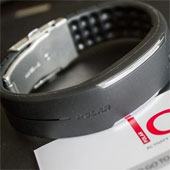
Polar Loop can keep track of your activities to provide useful health tips.
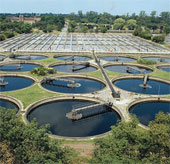
Scientists in the Russian city of Kazan have announced that they have successfully fabricated a device called cold cyclonic siphon that allows the collection of electric…
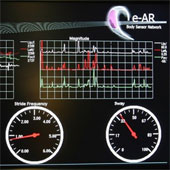
The idea of using a sensor to monitor one of your body's functions (such as heart rate, blood pressure) was often used primarily in the medical industry or for profess…
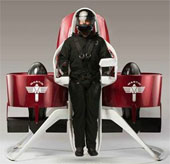
Individual jet engine developers say the New Zealand aviation authority has granted them permission to test flight equipment.
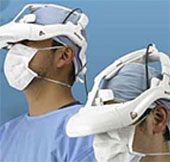
Sony has just announced a X-ray head unit for users, specifically for surgeons.

Russia is building the world's most powerful laser (UFL-2M) in the city of Sarov. The first part of this equipment will be put into operation in 2017.

In 2011, NASA announced a study of a super-black super-black coating to increase sensitivity for optical sensors and devices used in space.