Archeology
New discovery about the evolution of language
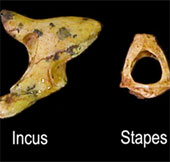
The combination of monkey and human traits in the middle ear bone of two extinct ancient genus shows that human ancestors may have begun to evolve the parts that souther…
Browse ScienceInfo articles and explainers related to Evolution.
634 published items.
The combination of monkey and human traits in the middle ear bone of two extinct ancient genus shows that human ancestors may have begun to evolve the parts that souther…

The newly discovered fossil has helped explain the transformation at the hands of early humans to become the present form.
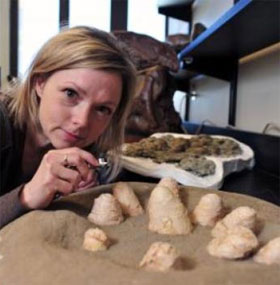
From fossils, US scientists say they have discovered a small North American dinosaur quite similar to birds and has a similar way of hatching birds.
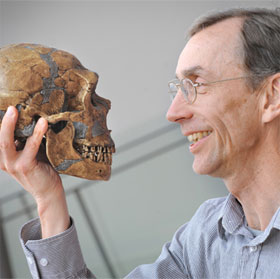
German scientists say they have completed the first high-quality Neanderthal genome decoding work, and are preparing to publish it online for other scientists to study.
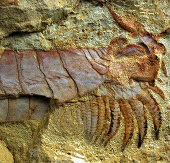
During an excavation near China's Yunnan Province, scientists found an amazingly intact fossil of a marine creature over 520 million years old.
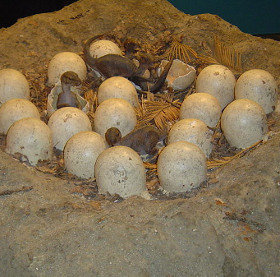
Pauk Els physiologist, Wulongong University (New South Wales state, Australia) affirmed that dinosaurs are like modern breast-feeding mammals.

Scientists working at the Applied Molecular Evolution Fund based in Gainesville, Florida (USA) have tracked the evolution of the enzyme molecule of people with the funct…

Scientists explained that human ancestors began to use meat as food about 1.5 million years ago, meaning much earlier than current theories.

Fossils discovered in mudstone in Yunnan Province, China are Fuxianhuia protensa, ancient ancestors of arthropods today. They appeared in the Cambrian period dating back…
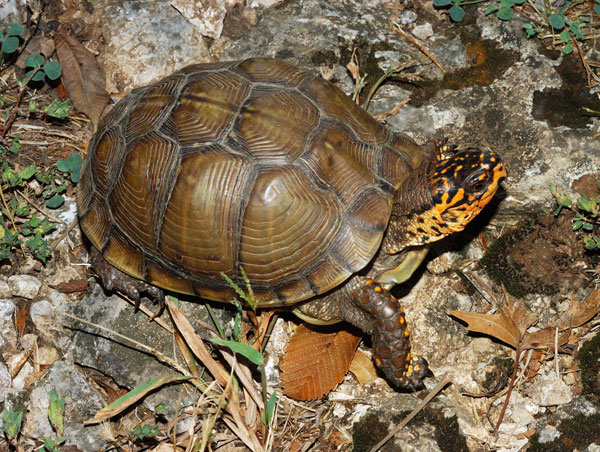
Scientists claim to have found an answer to a long-standing mystery about the evolution of animals when it is said that turtles are close relatives to crocodiles and bir…
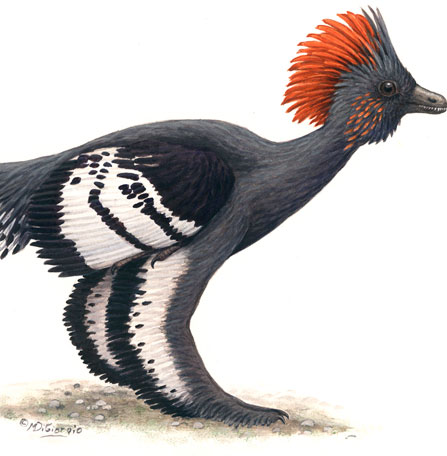
The first two authors of this study, Associate Professor Arkhat Abzhanov - an evolutionary biologist at Harvard University and Dr. Bhart Anjan Bhullar, found evidence th…
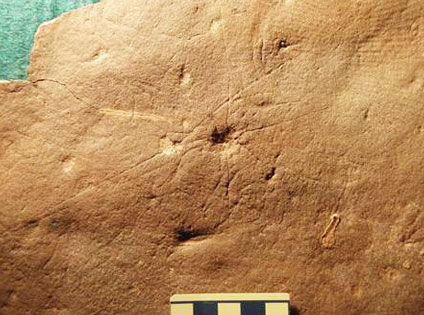
Named Coronacollina acula, this creature was from 560-550 million years ago, ie during the Ediacaran period (630-542 million years ago), before the outbreak of life and…
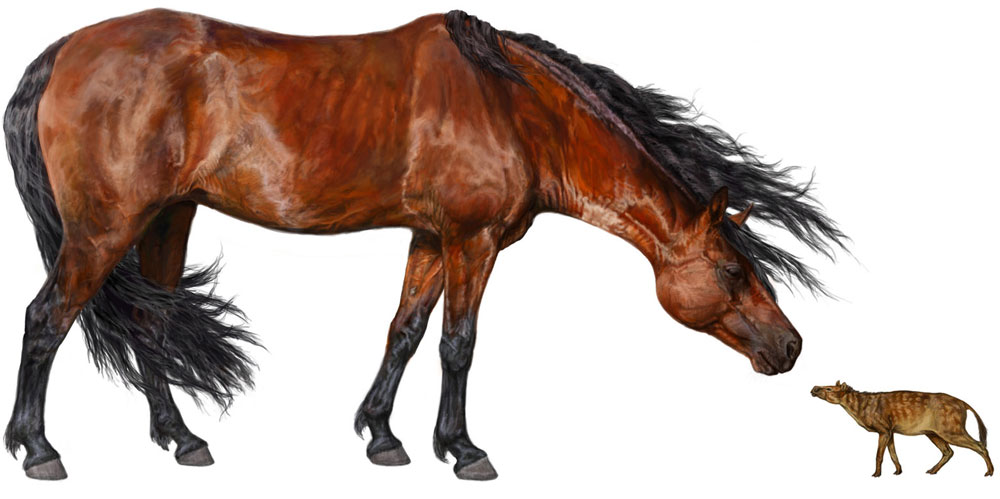
Over 50 million years ago, Earth's temperatures were higher than now, and cat-only horses have a lot in North American forests.
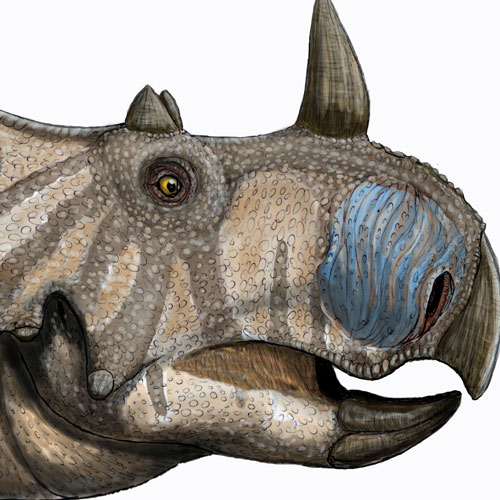
What remains of a new herbivore belonging to the group of triceratops along with many other fossils has been unearthed at a quarry in Alberta, Canada in 1916.
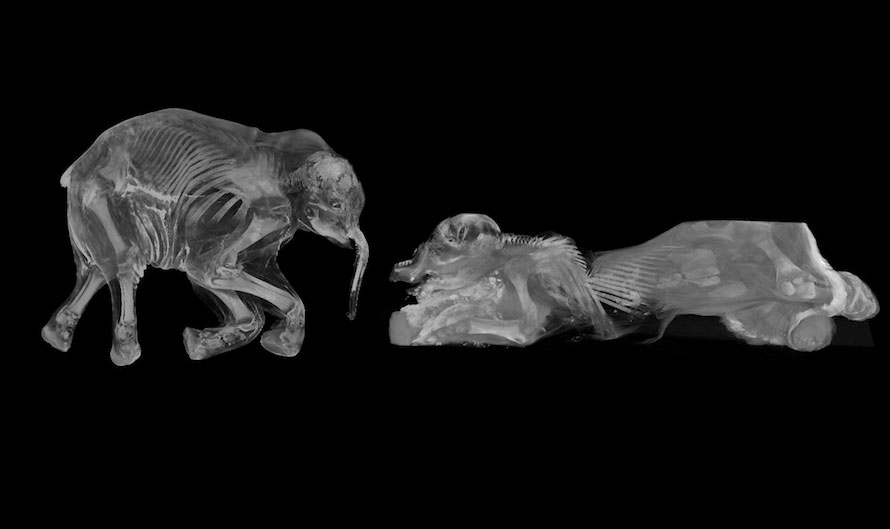
Using high-tech tomography techniques for fossils of two small mammoths taken from the permafrost of Siberia revealed more new information.