Animal world
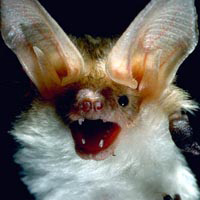
Two species of horse bats about to become extinct
Large horse bats and Thai horse bats are in danger of extinction because currently the only place to find them is the area of Mahatup pagoda, ward 3, Soc Trang town wi…
Browse ScienceInfo articles and explainers related to Extinct.
890 published items.
Large horse bats and Thai horse bats are in danger of extinction because currently the only place to find them is the area of Mahatup pagoda, ward 3, Soc Trang town wi…
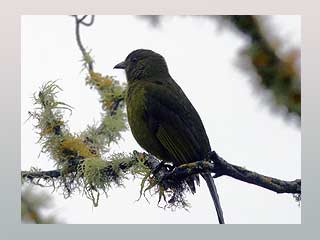
Human activities have made more than 500 bird species extinct in the world over the past 500 years and there will be 10 more species of birds extinct each year if humans…
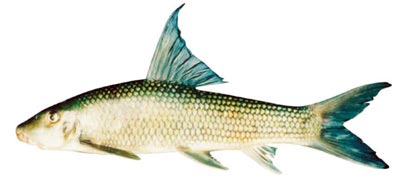
Four species of fish: the mausoleum, the fried fish, the wild fish and the fish on the Red River system are in danger of extinction. Exploitation output of these 4 fish…
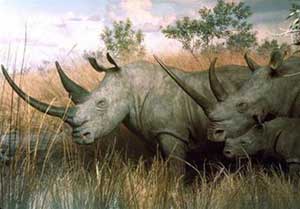
Recently, the Ministry of Natural Resources and Environment and the United Nations Development Program said that according to the survey results of biologists, from 1996…
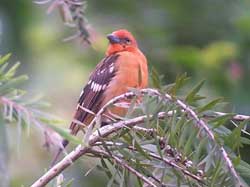
According to a study conducted at Stanford University (California) and published in Proccedings of National Academy of Sciences, by 2100, nearly 10% of the world's birds…
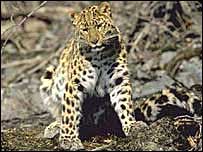
A scientific study shows that in 20 regions of the world, animals that are not threatened with genocide immediately, but are in danger of being erased soon. These includ…
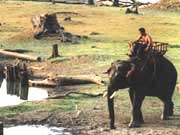
Forest elephants in our country are mainly concentrated in the south of Truong Son, Dak Lak province, but now they are gradually absent. In 1975, Dak Lak had about 400 w…
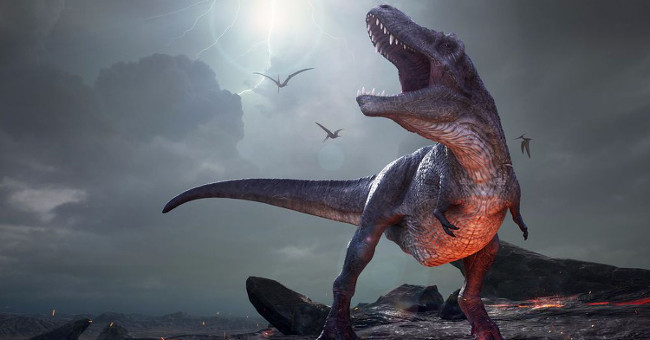
Scientists have just warned that the climate change created by humans is making us move faster to the
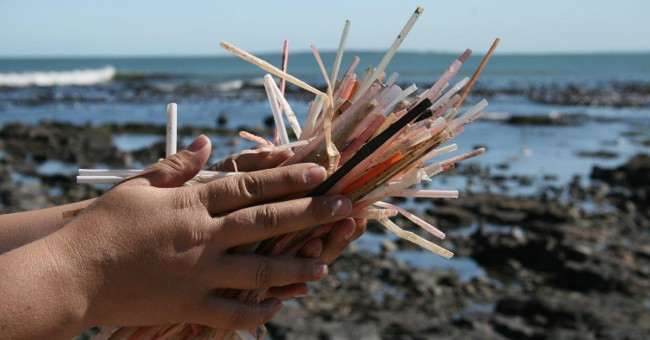
Worldwide, plastic straws are the sixth most popular type of waste, according to Litterati.

The high concentration of sedimentary mercury reinforces the rising dinosaur hypothesis that dominates the Earth after a series of volcanic events erupted 200 million ye…

If you want to have coffee to drink, people must stop the action to destroy the environment.

The cold climate devastated the forests and forced many animals to move south.
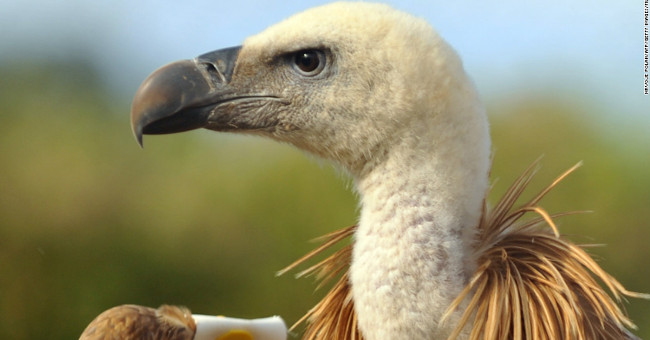
The decline in the number of vultures has caused general hygiene problems worldwide because animal corpses tend to rot, or be eaten by rats or wild dogs.

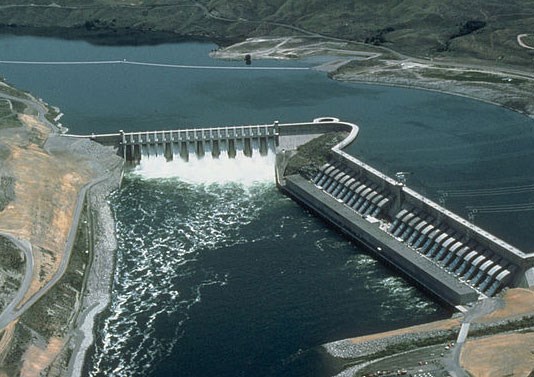
According to research results published on July 1 in the US journal PLOS ONE, hydroelectric dams can kill up to 70% of wild animals living in the neighborhood.