Archeology
The nutrient-rich diet of herbivorous dinosaurs
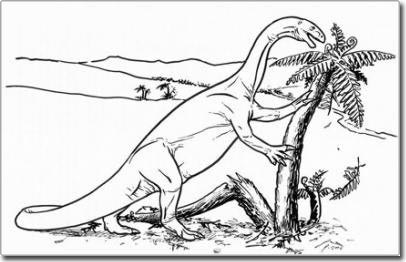
By falsifying the guts of the largest dinosaurs, scientists have discovered that the diet is rich in green and that these animals are more nutritious than they think. Th…
Browse ScienceInfo articles and explainers related to Food.
3,471 published items.
By falsifying the guts of the largest dinosaurs, scientists have discovered that the diet is rich in green and that these animals are more nutritious than they think. Th…

Chemical analysis of soil samples in Mexico's Yucatan Peninsula shows that contrary to the judgment of archaeologists, the ancient Mayans used to trade food.

New fossils discovered that half a million years ago pandas and ancient monkeys had to compete for shelter and food in the southern coast of China. According to Huang Wa…
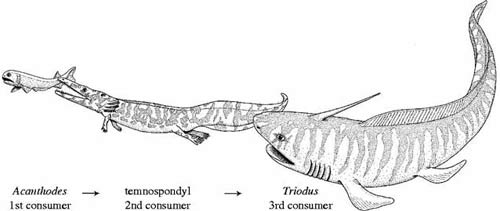
The fossil of a shark has been dug and its reptile is intact. But falling out, in this belly the reptile had a whole fish. This is the first time, scientists
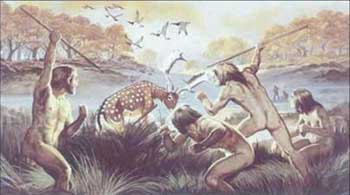
In 1999, researchers found bites in the bones of an animal dating back about 2.5 million years, but no one was sure that they were caused by human teeth, because they ha…
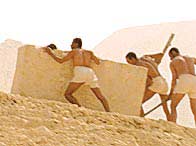
For decades, the Egyptian pyramid revealed to the people many details of the pharaoh's life in ancient Egyptian society. However, for a long time, not many people talked…
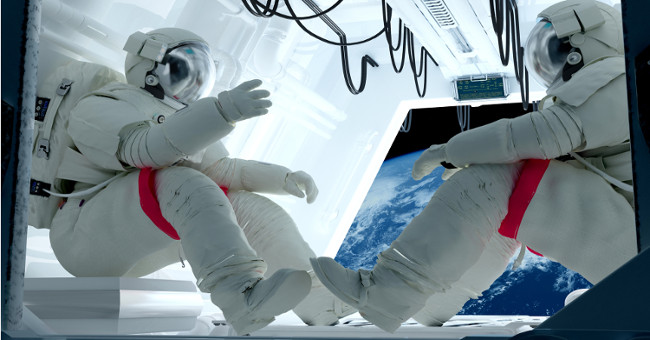
Recycling waste into food will be an important solution in space exploration, says Christopher House, a microbiologist at Pennsylvania State University.
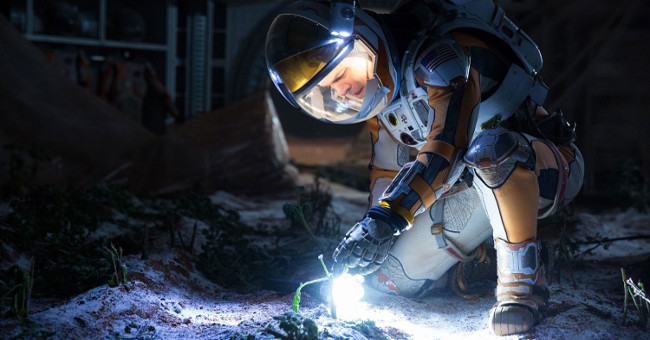
NASA is currently rushing to complete many products and inventions, aiming to turn the ambition to bring people to conquer Mars in 2030 into reality.
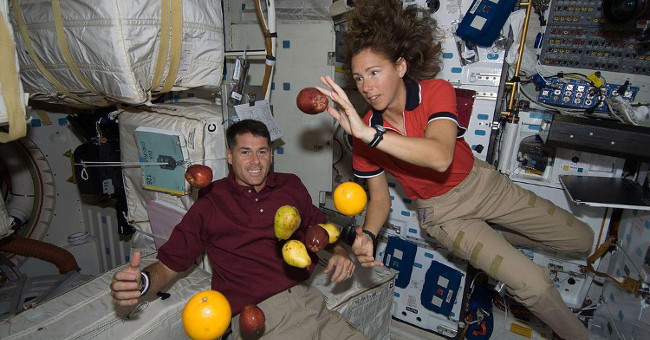
The astronauts' lives have long been curious for many people on the ground. Many questions are raised, in which the top question is how to eat in a zero gravity environm…
According to Techradar, NASA's Gemini 3 astronauts hidden a beef sandwich in a travel bag and brought it into space.
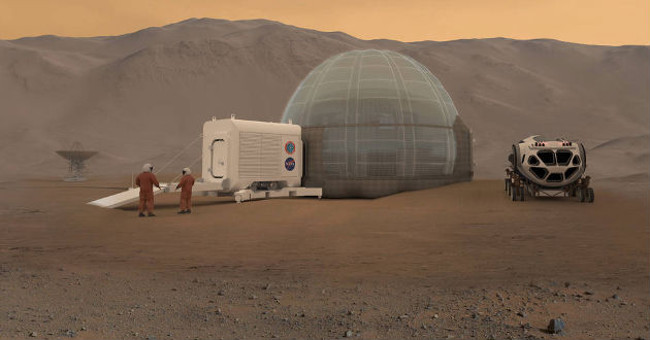
To conquer Mars in the future, basically, people need large-scale transport, residence, food and sustainable energy.

Scientists will live for 8 months at the domed house in Hawaii, USA to study the change in human behavior in the Mars simulation environment.

NASA has made many bold plans for the future of the Mars program, adding self-propelled ships to the Martian surface by 2020 and sending manned spaceships in 2030.
Stephen Petranek, the author of the book