Discover science
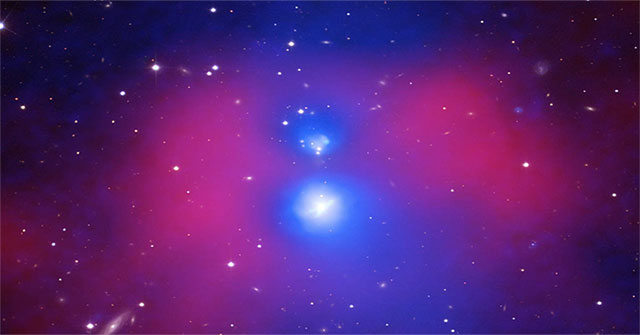
The two groups of galaxies are 100 trillion times the mass of the Sun
The scientists observed two groups of galaxies rushing at each other at 4.6 million kilometers per hour, preparing to form a large cluster.
Browse ScienceInfo articles and explainers related to Galaxy.
954 published items.
The scientists observed two groups of galaxies rushing at each other at 4.6 million kilometers per hour, preparing to form a large cluster.
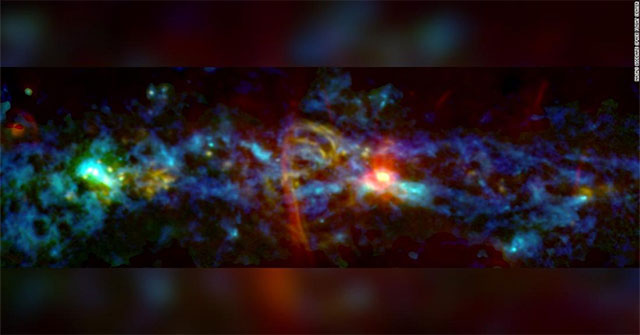
The new NASA image released on December 19 reveals the 'birthplace' of stars in our central Milky Way.
We are entering a time of transition that is not just a new year but a new decade. Let's review the most important scientific findings in the past 10 years.
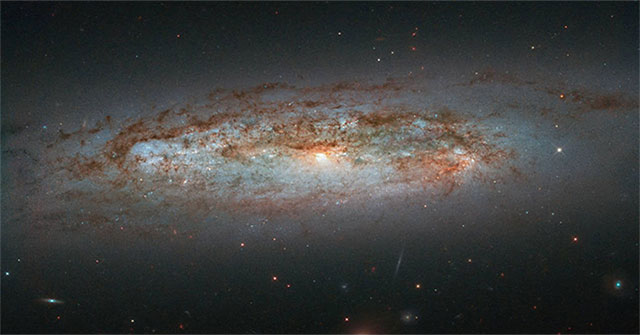
The Hubble Space Telescope captures a stunning image of the galaxy NGC 3175 more than 50 million light-years away.
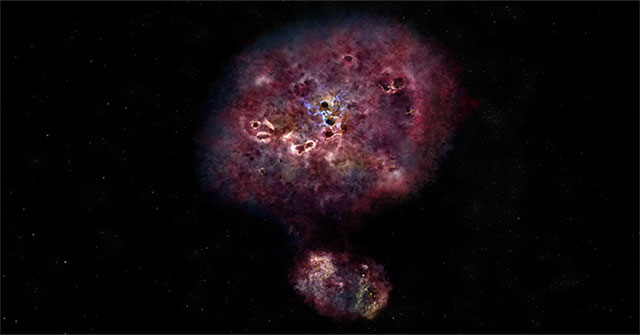
Thanks to the ALMA telescope system in Chile, scientists observed MAMBO-9, a galaxy filled with cosmic dust and creating new stars.
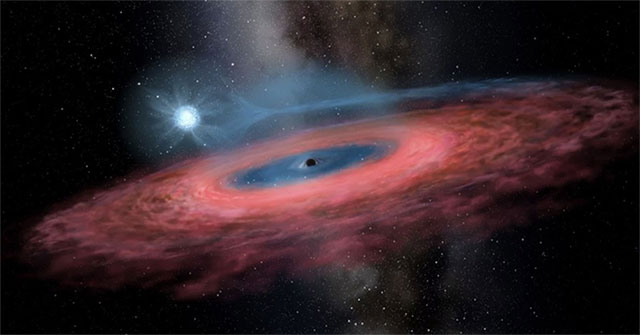
The giant black hole challenging every theory published in November could be a mistake only by scientists.
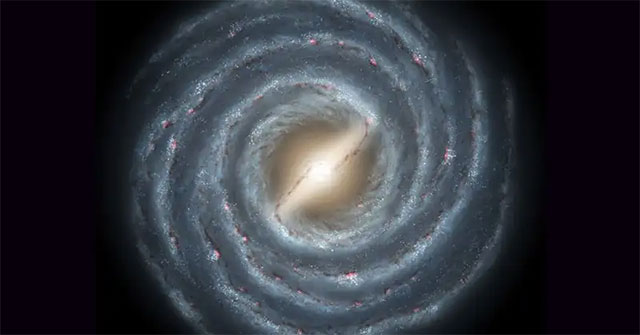
Based on gravity and the movement of objects, scientists calculate the enormous mass of the Milky Way.
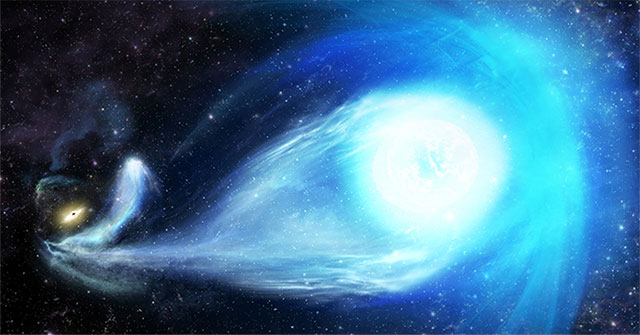
Astronomers detected a hypervelocity star called S5-HVS1 away
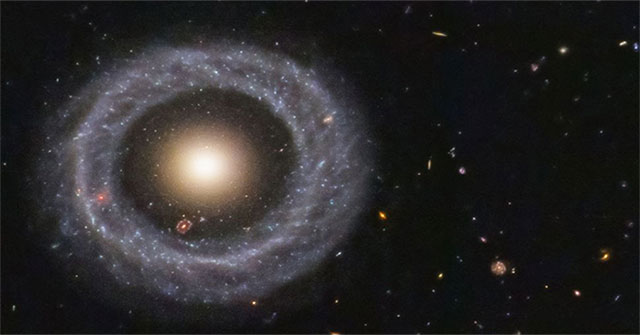
The origin of Hoag, the galaxy with a special shape, has been a mystery of science for nearly 70 years.

NASA today released a stunning photo of galaxy NGC 5468 recorded by the Hubble space telescope.
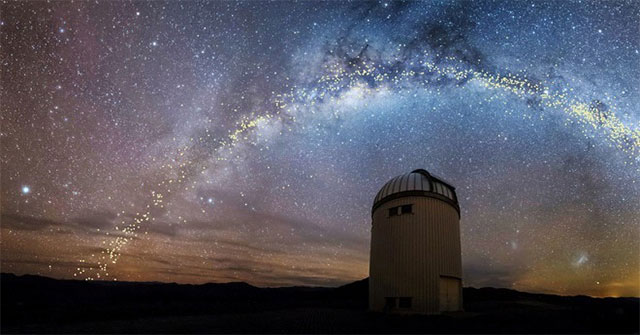
Astronomers find a star that is 'gliding' across our Milky Way at 6 million km / h, and so this star will leave the Milky Way in 100 million years.
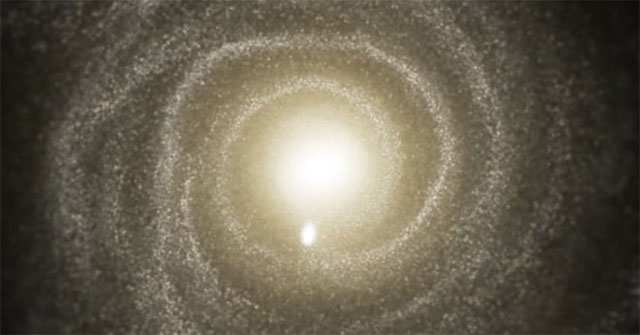
The scientists created the most complex simulation ever of the TNG50 galaxy to find out how it has changed since the universe was born.
In 1930, a Swiss astronomer named Fritz Zwicky discovered that clusters of distant galaxies revolved around each other faster than the large galaxies they observed close…
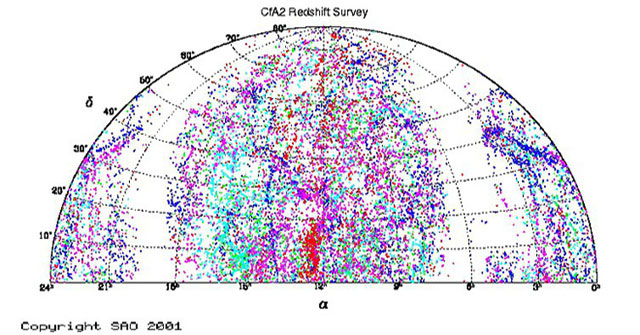
This is a new turning point in astronomy: the ability to measure the distances between galaxies has improved, opening a new era in 'mapping' the structure of the Univers…

Giant galactic winds come from a galaxy called Wind.