Space science
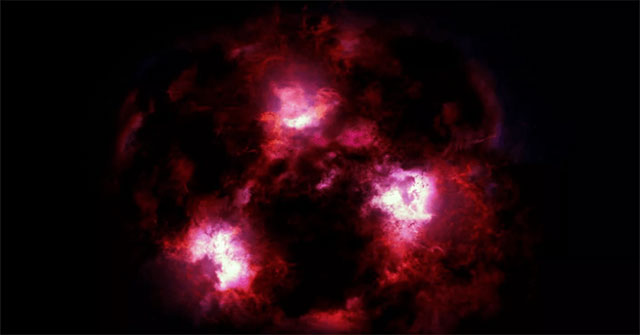
The giant galaxy is 12.5 billion light-years from Earth
The giant galaxy is hidden behind a cloud of dust and gas and has a rate of formation of 100 times more stars than the Milky Way.
Browse ScienceInfo articles and explainers related to Galaxy.
954 published items.
The giant galaxy is hidden behind a cloud of dust and gas and has a rate of formation of 100 times more stars than the Milky Way.
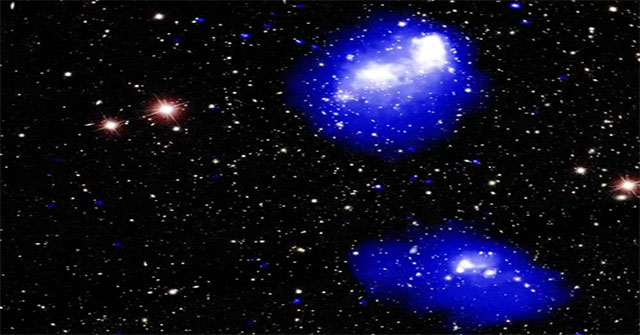
4 clusters of galaxies, each hundreds of trillion times the mass of the Sun, will gradually merge into a giant structure.
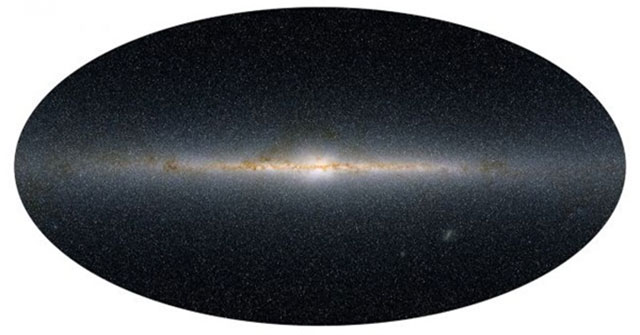
Although you know all your favorite restaurants and how to avoid traffic jams during rush hour, you're not sure you know every corner of the city. The same is true of th…

In its quest to find images in its endless universe, NASA's Hubble telescope accidentally recorded images of a weird 'face'.
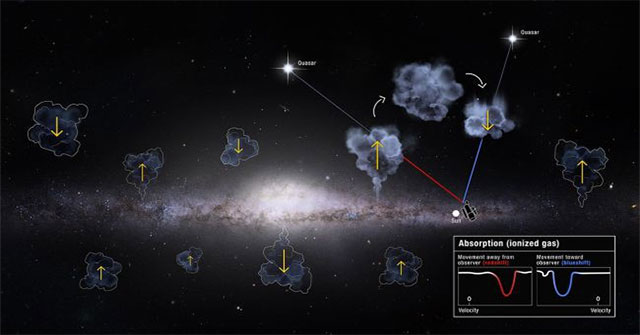
The mysterious chaos of the Milky Way galaxy containing the Earth has been deciphered, revealing the strange currents that have been seduced by the Milky Way, thus contr…

3.5 million years ago, a huge explosion had 'flashed' from the center of our Milky Way galaxy. The radiation from the explosion was felt 200,000 light-years away.
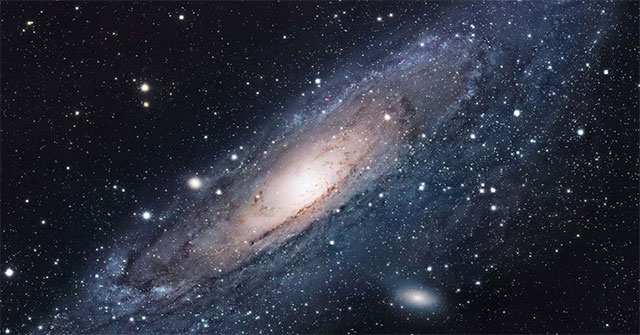
Our neighbor galaxy is proved to be a monster that swallows fierce galaxies and is preparing to swallow the Milky Way - the galaxy containing the Earth.
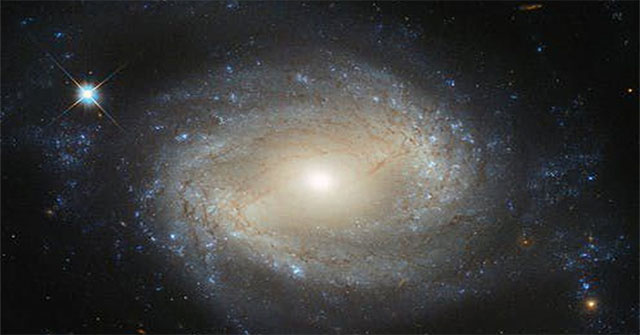
According to a Carbon Monoxide Survey project (VERTICO), experts are investigating in detail why galaxies in the constellation Virgo are killed by their environment.
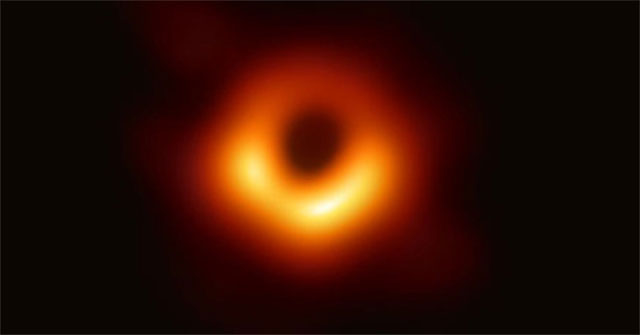
Astronomers will use a virtual telescope larger than Earth to record a supermassive black hole in the center of the Milky Way in real time.
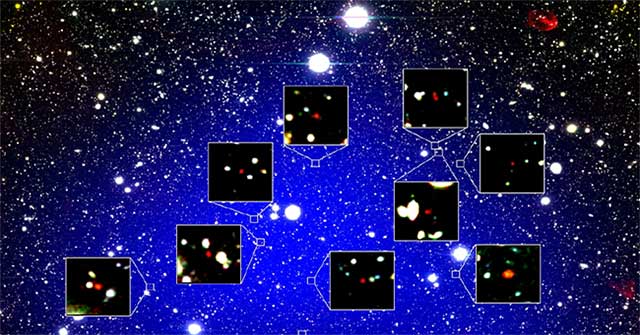
International astronomers announced the discovery of a cluster of galaxies formed in the first phase of the universe more than 13 billion years ago.
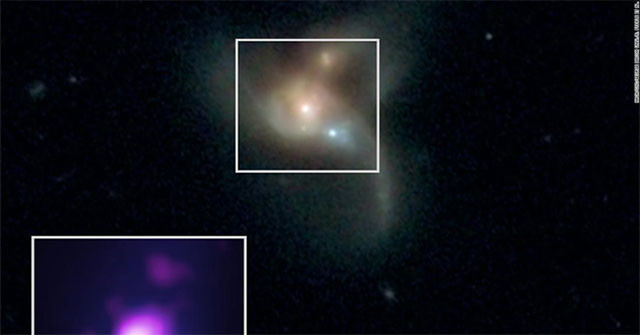
Scientists first observed the phenomenon of three galaxies colliding, placing supermassive black holes at their centers into orbit to merge.
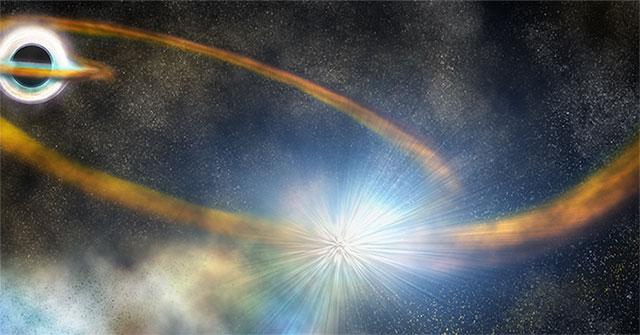
TESS, NASA's $ 200 million telescope, observes a black hole about 600 million times more massive than the Sun.
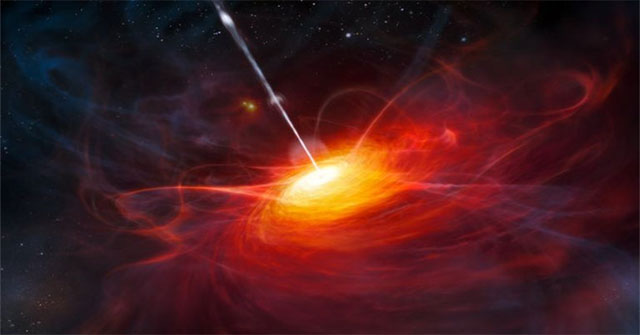
To calculate large, accurate calculations on a galaxy or cosmic scale, one needs an exact constant to make the landmark. It can be said that Hubble's constant is the sam…
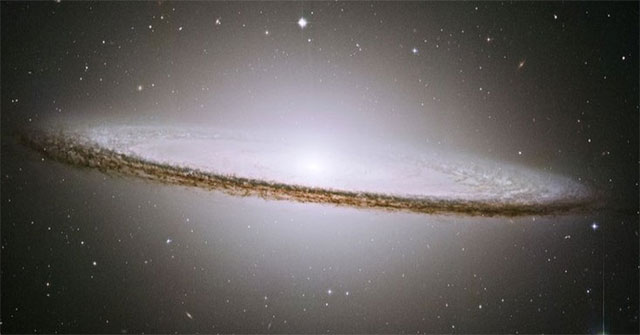
Astronomers discovered a mysterious phenomenon when six 'quiet' galaxies became the brightest quasars in the universe in just a few short months.
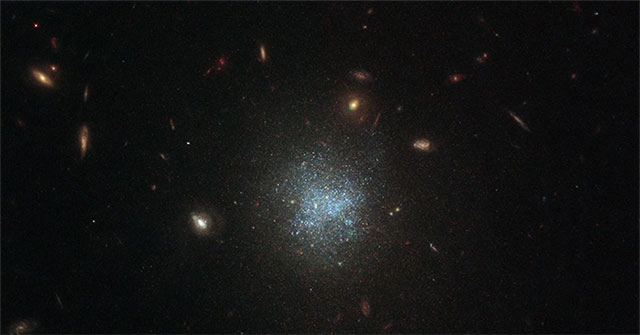
The Hubble Space Telescope captures UGC 695, a weak glowing galaxy located in the constellation Cetus (Kinh Ngu).