
Scientific application
Create blue roses with RNAi technique
The 2006 World Rose Conference was held in Osaka City from May 11-17, 2006. In the conference, the organizers presented many new and beautiful roses varieties. However,…
Browse ScienceInfo articles and explainers related to Gene.
1,953 published items.
The 2006 World Rose Conference was held in Osaka City from May 11-17, 2006. In the conference, the organizers presented many new and beautiful roses varieties. However,…
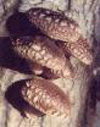
One day, mushrooms will gradually leave the table and be present in the fuel of cars. Shiitake usually grows on woody stems in forests, they decompose complex organic ma…

Japanese scientists at Kanazawa University came to an unexpected conclusion: compared with automobile emissions, motorcycle emissions pollute the environment more seriou…

A series of mutations related to metabolic processes have helped nearly 1.5 million Russians survive the most devastating World War II siege campaign.
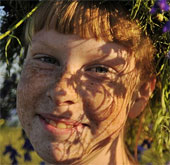
According to scientists from Scotland's Institute of DNA Research, red-haired genes in Scotland may disappear due to weather dependence.

US and UK researchers have just completed the genetic mapping of tea plants, a crop that promises to bring the necessary bioenergy to human needs.
From the past two years, on the strip of land which is only a reed and wild land along the Red River dike in Yen My commune, Thanh Tri district, Hanoi suddenly appeared…
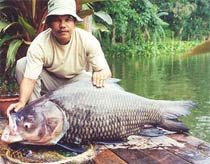
National Center of Southern Freshwater Aquaculture has successfully bred the coral fish species, included in the World Red Book, while Vietnam is classified as a species.

A miraculous mushroom managed to survive in the extremely salty waters of the Dead Sea. Its discovery could lead to new advances in gene technology, in order to create f…
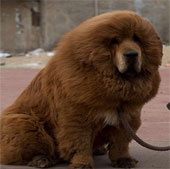
The Tibetan clam dog is a clever semen dog that appeared 5,000 years ago and is the world's oldest genome. In China, the price of this dog is sometimes up to 750,000 USD.
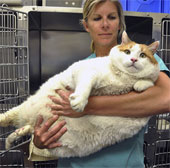
For many different reasons, there are animals that are born with strange shapes such as six-legged calves, three-horned cows, two-headed snakes or three-eyed fish.

From the second half of the 20th century, science has developed with great progress. And thanks to these technologies, we can become superheroes.
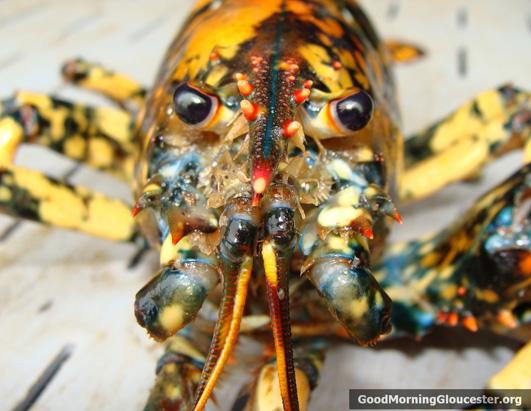
Admire the lobsters with mutated colors, the more unusual ones found in the US state of Massachusetts.
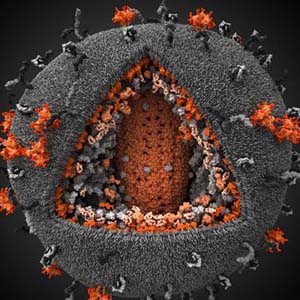
A 3D image depicting microbes that attack a bacterium, the gene map that looks like fireworks is the best science images of 2010 published in National Geographic magazin…

Genetic changes have created bizarre two-headed animals, from cats, fish, and cows to pythons, turtles, crocodiles and grasshoppers.