Biology
Canada's new DNA testing method
Researchers at Laval University (Canada) have found a new way to simplify the discovery of genetic abnormalities, identify bacteria or viruses, and even discover gene mu…
Browse ScienceInfo articles and explainers related to Genetic.
1,190 published items.
Researchers at Laval University (Canada) have found a new way to simplify the discovery of genetic abnormalities, identify bacteria or viruses, and even discover gene mu…

In the afternoon of January 16, Dr. Pham Si Tan - Deputy Director of the Mekong Delta Rice Institute - said that after three years of cooperation with American agronomis…
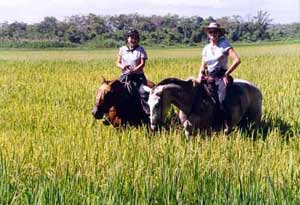
Thai scientists have identified the gene that makes rice fragrant. They quickly applied for a patent to protect this secret. This mutation occurs in one of the genes tha…

Scientists have found a set of genes thought to play a major role in causing prostate cancer. This finding has been warmly welcomed by the medical community because it h…
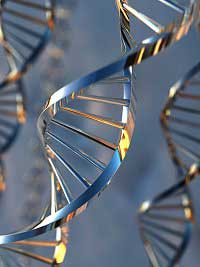
Scientists have created a kind of map of human genes. This is a step forward to find genes that explain differences in individual health and why people have different wa…

Green light has been turned on for British scientists in creating human embryos containing genetic material taken from two women. This turning point will open the prospe…
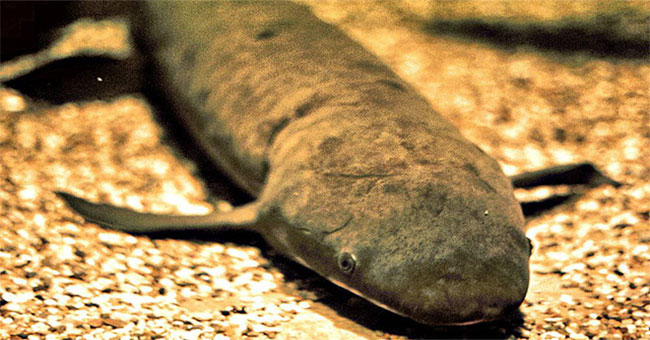
'Methuselah fish' currently lives at Steinhart Institute of Oceanography, California Academy of Sciences in San Francisco (USA).
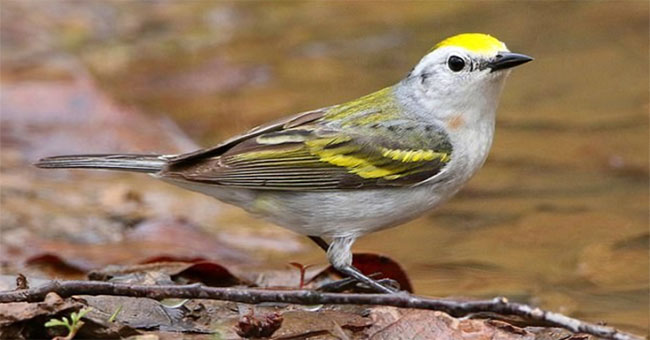
American scientists first discovered hybrid warbler carrying genes of three separate species. This is the result of scarcity of partners.
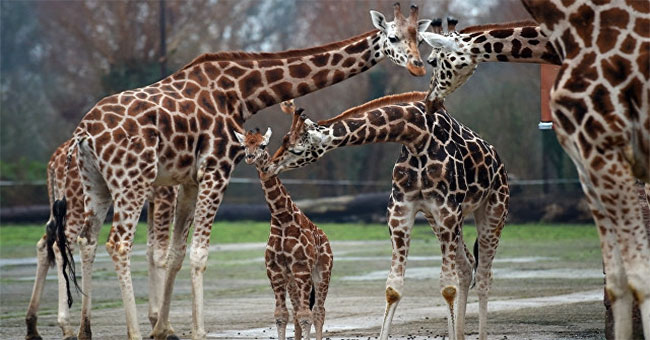
According to a new study published in the journal PeerJ, the positions of pattern spots on giraffe skin are inherited from the mother.

Although the period of the giant dinosaurs has retreated far away, however, their genetic traces are still preserved today.
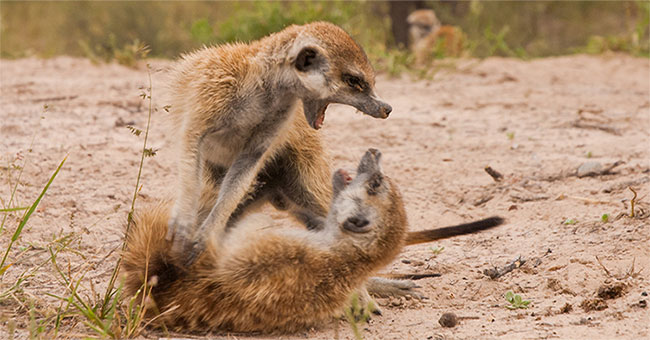
Biologists believe that in many animals with social behavior, genetic characteristics allow the herds to live longer, resist age-related diseases.

Vietnamese proverb has a sentence:
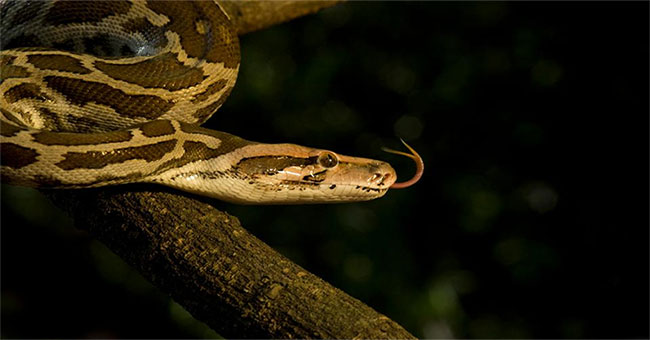
According to The Sun, this super-python species are thought to have left the wetlands to expand their habitat to drier lands.
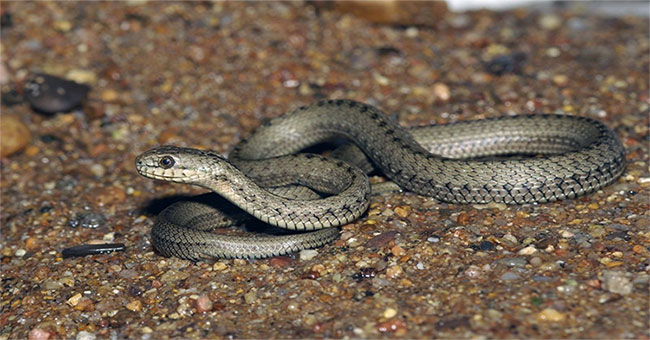
Researchers found that Tibetan snakes have genetic changes to survive in harsh environments.
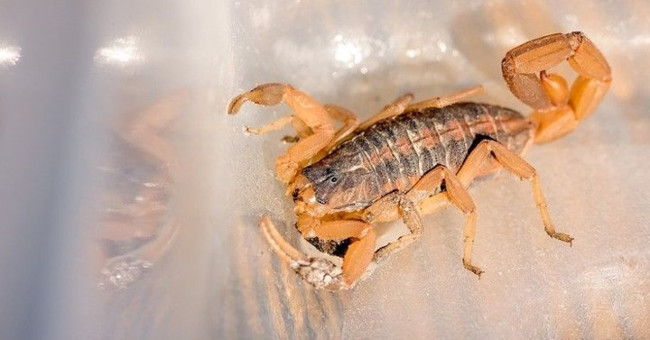
Researchers at the University of Wisconsin-Madison Emily Setton and Prashant Sharma are looking for the evolutionary roots of spider parts, organs that allow spiders to…