
Biology
Decipher the most common genome of Central America beans
A group of scientists from Mexico's Cinvestav Institute for Advanced Study successfully deciphered the most common bean genome in this country and the entire Central Ame…
Browse ScienceInfo articles and explainers related to Genome.
311 published items.
A group of scientists from Mexico's Cinvestav Institute for Advanced Study successfully deciphered the most common bean genome in this country and the entire Central Ame…

Researchers working at Cold Spring Harbor (CSHL), USA, found that it was possible to increase the yield of tomato plants by controlling a molecular level timer or

In recent years, scientists from China Shenzhen City Genome Research Institute have been cloning and the results of six resilient pigs have been born.

Scientists found that the social behavior and symbiotic lifestyle of leaf-cutting ants is related to some special genes.

A collection of genetic information encodes all microorganisms that are in harmony in our bodies, collectively called microbiomes, forming a second human genome.

In fact, for every group of more than 3,000 people, there will be at least one part of their individual genome arranged in a sequence, so learning about individual genom…

10 years ago, humanity has established a map of human gene structure. However, so far, human genes still have many unexplored mysteries.
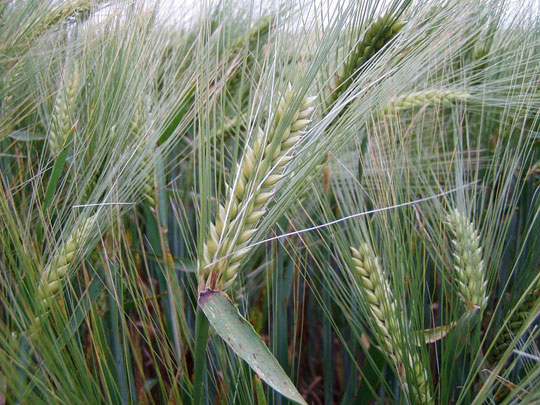
Scientists decoded the viral genome of vascular powdery mildew and found the parasitic gene called transposon.
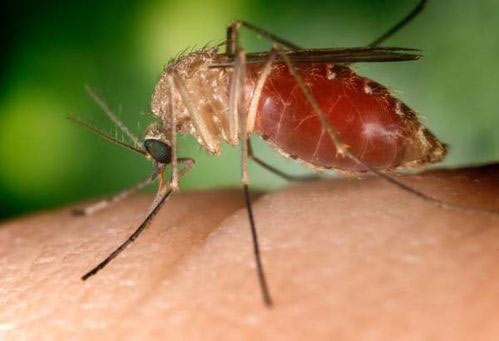
Researchers at UC Riverside University are leading the way in a multi-year research project to find new, more effective remedies to treat certain diseases caused by West…

Scientists from India's National Plant Genome Research Institute have successfully cultivated a genetically modified potato strain.

On Wednesday, US scientists said they had decoded 99% of the genetic sequence of cocoa trees. This result can provide more information

A rare plant species in Japan with scientific name Paris japonica carries on it the largest genome ever known.

American scientists have successfully combined artificial mitochondrial genome on white mice from 8 DNA segments formed by 60 nucleotides.

About a fifth of the rat species are new versions that appear in the past 90 million years of evolution.
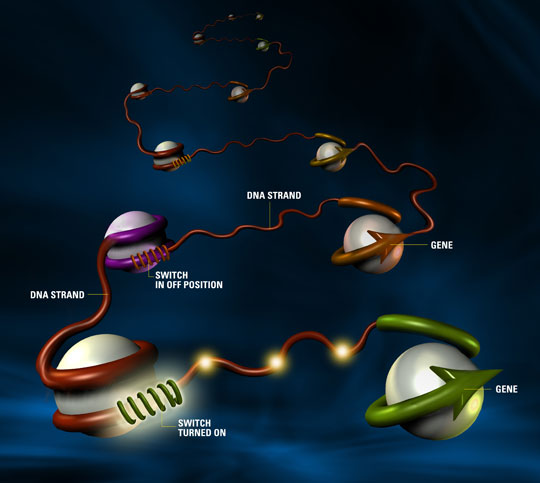
Scientists have not yet grasped the number of genes needed to make humans, but only more human genes than chicken genes but less than tiny grapes.