Medicine - Health
The number of genes does not determine the level of human evolution
About half a century ago, scientists estimated the number of human genes up to millions. But modern research has reduced this number to about 20,000.
Browse ScienceInfo articles and explainers related to Genome.
311 published items.
About half a century ago, scientists estimated the number of human genes up to millions. But modern research has reduced this number to about 20,000.

Fredrik Lanner, a Swedish scientist last week, sparked a wave of controversy when interfering with the genetic information of a healthy human embryo.

A new study shows that the lifespan of the offspring is greatly influenced by the genes from the mother, after experiments on mice and expanding on human DNA.
This study looked at aging based on the entire human genome and gave us a more complete picture of this process.
Scientists have found a way to erase the HIV virus from the human genome by using an enzyme to shred them.
Virus genes mixed into human DNA may have helped our brain cells evolve, according to a new study.
Harvard University geneticist David Liu and his research group are developing a new technique, using specialized proteins to modify the genomes of living animals.
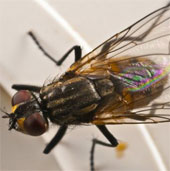
Scientists sequenced the entire home fly genome and declared their discovery will help discover new ways to treat human diseases.
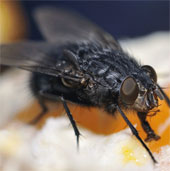
A recent study revealed that the genomes of humans, flies and worms have many similarities.
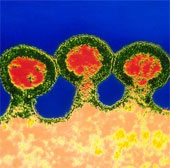
Once the HIV virus invades a human cell, it will reside there forever.
Autism Speaks Autism Speaks research program is cooperating with Google to create the largest database of genetic genetics of people with autism and including their fami…
A team of scientists at the University of California successfully modified the genome on stem cells to simulate a rare natural mutation that activates the body's defense…
International researchers have identified a map of the
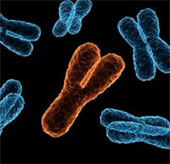
A recent study has caused a stir when it comes to claiming that Y chromosomes are on the decline, implying that men are at risk of near-extinction.
Nearly a decade since the human genome was decoded, scientists published the first complete map of how genes work in different cells and tissues.