Medicine - Health
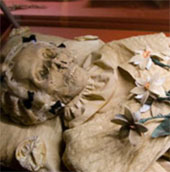
The germ of TB germs in a 200-year mummy
With TB germs found in 200-year-old mummies, experts hope to find new ways to treat multiple infections at the same time.
Browse ScienceInfo articles and explainers related to Genome.
311 published items.
With TB germs found in 200-year-old mummies, experts hope to find new ways to treat multiple infections at the same time.

The National Cancer Research Institute (NCI) of the United States has just released the largest ever database of cancer-related gene changes.

Many people are worried about the prospect of a human being born in the name of science. Even after hearing it, creating people by humanity is like a blasphemy.
Two separate studies of the human genome have found new clues to the genetic cause of testicular cancer and the non-hereditary cause of congenital heart disease.
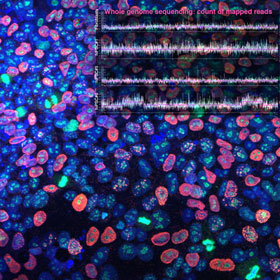
Current science suggests that all cells in the body contain identical DNA. However, a new study of skin stem cells has found that genetic variation is widespread in the…

The children of older fathers are exactly like the saying in folk According to the study when the father increased by one year, two new mutations appeared in the child's…
The project of the human genome (HGP) has entered its 11th year, but some scientists believe that many researchers and journalists have misconceptions about the genetic…

The Stanford University (USA) study, published in the Cell Journal, may help researchers understand the genetic mix to ensure the descendants carry mixed genes from both…
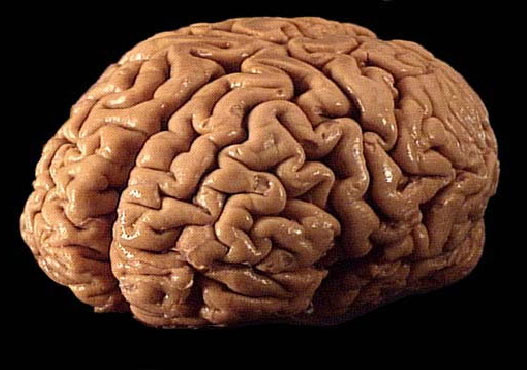
A study of scientists at the brain institute chaired by billionaire Paul Allen shows that the similarities and differences between regions on a human brain. They analyze…

These genes were discovered inside the genome of 4,800 people with migraine

Many people are born naturally, scientists claim. In other words, it is DNA that contributes to the decision of a person to succeed or fail in life. The latest study in…

You are angel or devil? Scientists believe that the gene will determine whether a person is kind or bad.

Like geneticists, Michael Snyder of Stanford University has had the opportunity to analyze DNA, the molecule that carries the genetic code that regulates the development…
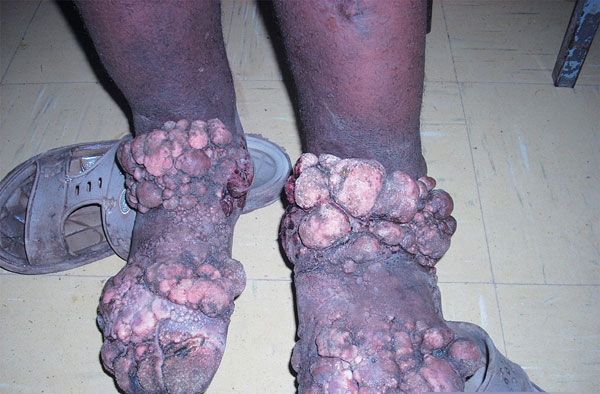
A team of researchers has found three genetic variants in an area of the human genome that increase the risk of elephantiasis.
Scientists of human gene mapping have discovered in human bodies about 20 genes and completely activated, opening new research directions on human genome.