Archeology
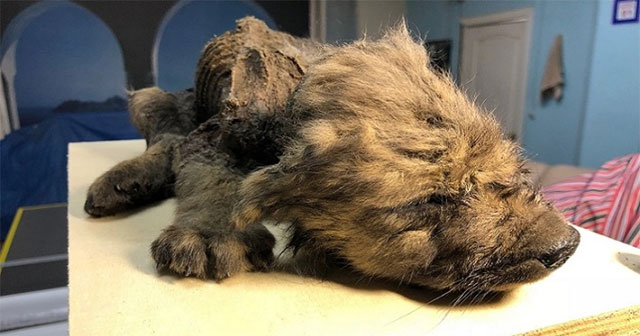
Ancient wolf mummies reveal the origin of domestic dogs
An international team of geneticists and archaeologists, led by the Francis Crick Institute, has found that the dog's ancestry may have come from at least two ancient wo…
Browse ScienceInfo articles and explainers related to Genome.
311 published items.
An international team of geneticists and archaeologists, led by the Francis Crick Institute, has found that the dog's ancestry may have come from at least two ancient wo…
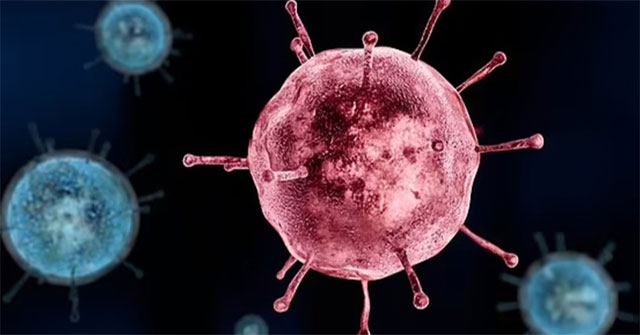
New research suggests that the current H1N1 flu virus is highly likely to be a direct descendant of the Spanish flu virus that caused the 1918 pandemic.
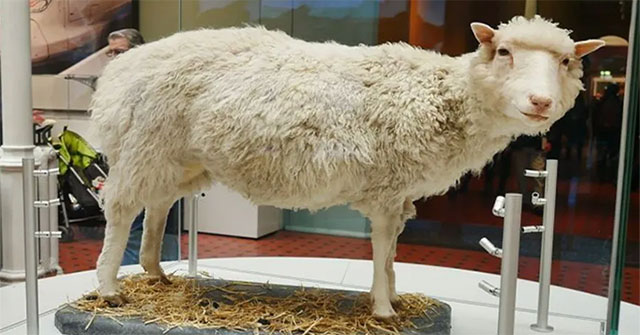
In 1996, Dolly the sheep caused a stir around the world after becoming the first mammal to be successfully cloned from an adult cell.

A team of experts from the US National Human Genome Research Institute has published the first complete human genome, completing the work of previous scientists.

Scientists have created the 'world's largest family tree' linking some 27 million people around the world, including the living and the dead.
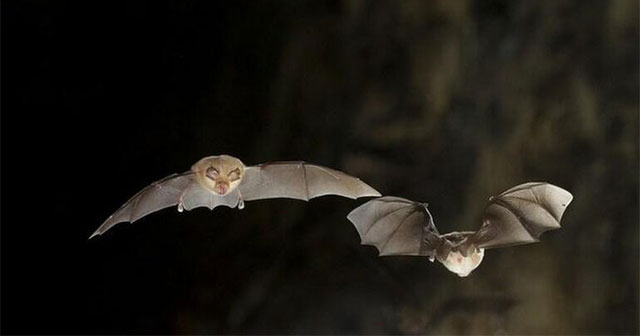
Scientists have just discovered three new viruses in bats in the north of Laos, with genomes similar to the SARS-CoV-2 virus that can infect humans.
The new ultra-fast technique set a Guinness World Record for sequencing the genome and diagnosing genetic diseases in just a few hours.

The evolution of the virus that caused the 1918 flu pandemic has similarities to the Covid-19 pandemic, such as successive outbreaks with many different strains, and the…
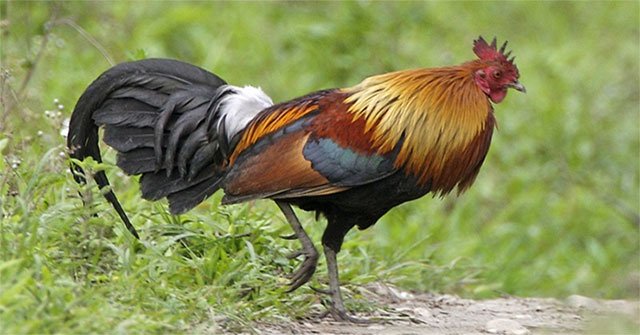
Chicken is the world's most popular animal, the largest source of animal protein for mankind.
How are the ancestors of the Thai, Tay, Nung ... related to the ancestors of the Kinh or other ethnic groups? Where the Vietnamese people come from is not easy to answer.
The almost complete sequence of a newly discovered HIV gene was one of 1,600 tissue samples collected in Kinshasa, Democratic Republic of Congo, in the 1960s.
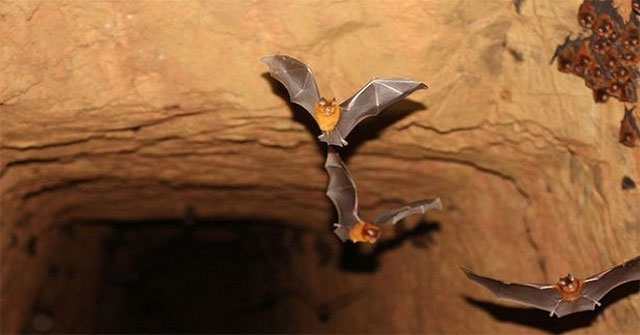
Scientists know whether new corona virus strains found in bats eat insects that can infect humans and create new diseases.
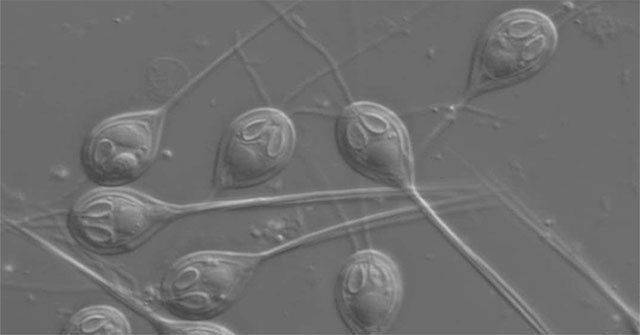
Scientists have discovered a jellyfish-like parasite that does not have a mitochondrial genome. That means he doesn't breathe and lives a life completely free of oxygen.

For the first time, scientists have deciphered the entire gene of axolotl, a salamander capable of regenerating many body parts after an injury.

Although accounting for 70% to 80% of the results, the human genome is not the only factor determining height.