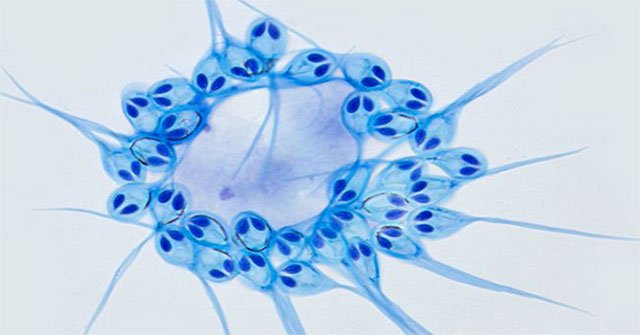
Animal world
For the first time discovered animals not breathing
During evolution, an aquatic parasite removed body parts to make it simpler.
Browse ScienceInfo articles and explainers related to Genome.
311 published items.
During evolution, an aquatic parasite removed body parts to make it simpler.
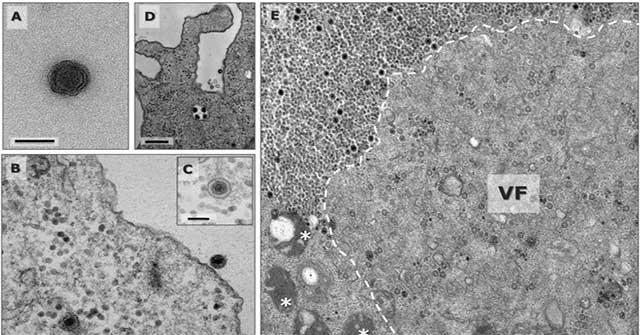
When searching for viruses in an artificial lake in Brazil, scientists made unexpected discoveries.
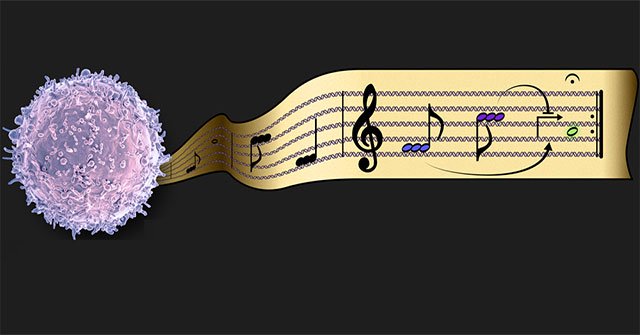
US scientists have developed a new platform called COMET that enables the discovery and modification of basic cellular functions.
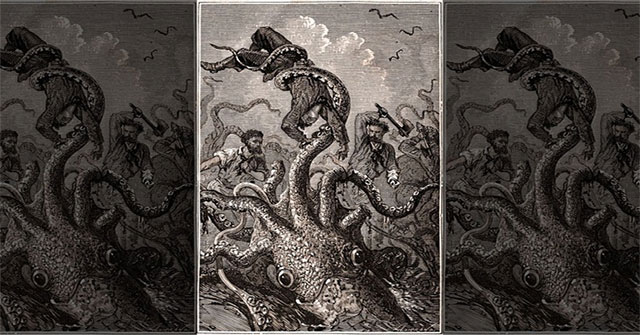
The first true picture of the mysterious giant squid was taken in 2005, but since then not too much information has been revealed about this mollusk.

China confirmed the gene editing experiment of scientist Ha Kien Khue that led to the birth of three babies.

Song Dan Dan, the genome editing and the latest scientific research activities (part 1) Science - Technology

Genetic studies of the United States, India and Singapore have uncovered the truth of the scary Rakshasas: another human being who once lived and married with our modern…
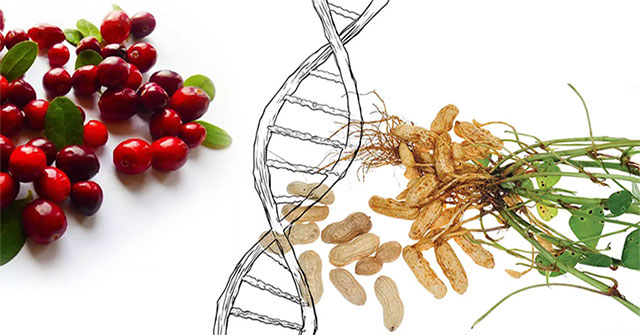
According to Plant Molecular Biology, a team of Russian and French scientists analyzed the genome and copies of 631 plant species. As it turned out, the number of plant…
From basic research on the Vietnamese genome, when applied, it helps to find rare diseases and identify the environment that greatly affects the human gene.

The Pentagon is considering future gene editing research plans to better support the military in its ability to protect soldiers from chemical and biological wars.

In the lush green forest of, there are small huts made of leaves and branches, which is where the Pygmy tribes live in harmony with nature.

Scientists have deciphered the genome of a Madagascar spider that produces the world's most durable and largest spider webs, and found a unique protein that makes spider…
The study shows that genetic independence reflects the very high resistance of Vietnamese people and is far from the Han Chinese genome.

The results of the study show that we really shouldn't
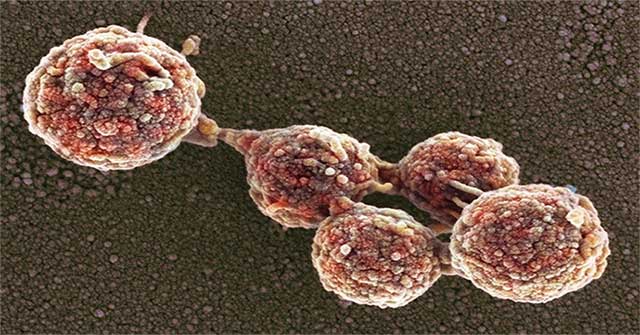
Scientists have succeeded in producing E. coli with artificial original DNA, not from nature.