New technology
When glasses combine with electronic technology
In the era of powerful electronic technology boom, many products have stripped out its mere features and replaced
Browse ScienceInfo articles and explainers related to Glass.
607 published items.
In the era of powerful electronic technology boom, many products have stripped out its mere features and replaced
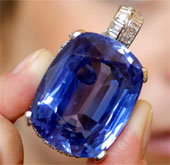
Almost all of the major cellphone makers in the world are considering replacing the Corning Gorilla glass on the sapphire-like smartphone screen, .
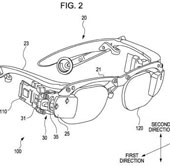
Google will not be the only company with smart glass products, because a Sony patent application reveals that Sony is also building a similar device.
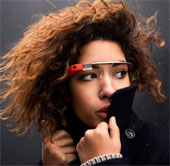
In addition to the ability to identify faces, smart glass Google Glass can also help wearers identify acquaintances through clothing, according to news reports New Scien…

German experts have just introduced a high-tech, writing-on-air glove, suitable for use with Google Glass. The introduction of the so-called 'air pen' is seen as an omen…
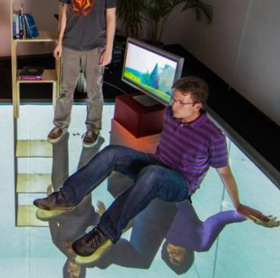
With the flooring of German experts, your floor will identify each family member and track their activity to activate the corresponding service.

The New York Times reported that Apple is starting to develop clocks running the iOS operating system.


According to rumors, Samsung will unveil a new line of televisions that could be completely transparent, capable of turning your home window into a TV set with just one…
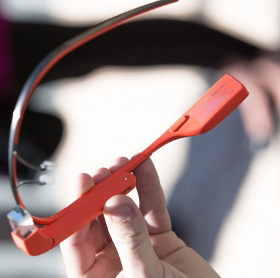
Google has confirmed the use of bone transmission technology for the Google Glass, eyeglasses help users can replace most tasks on the computer.
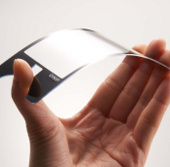
Japan's Dai Nippon Printing (DNP) has announced a plastic cover that could soon replace the glass screen of smartphones and tablets.
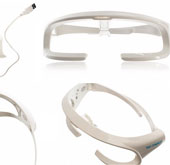
Australian sleep researchers have developed a high-tech sunglasses, described as the first time-controlled glass in the world.
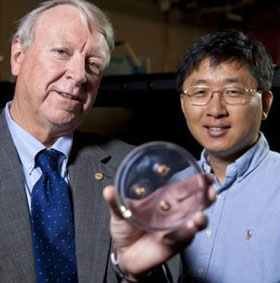
Over the past few years, the science has made great strides in the field of bulletproof materials for soldiers and government officials.

Special glasses allow daylight to enter the user's eyes in the dark. This is the latest creation of three Danish engineers.
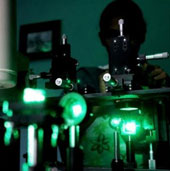
A team of scientists in Italy and the Netherlands has successfully developed a new technology that can penetrate thin layers of materials, promising a breakthrough for n…