Space science
The galaxy glows brightly when it produces 4,500 times more stars than the Milky Way
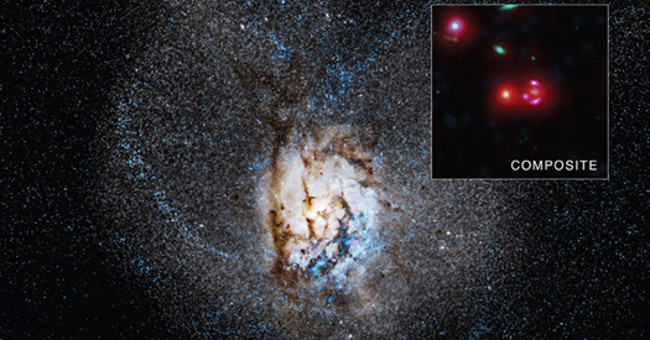
Galaxy SPT0346-52, located 12.7 billion light-years from Earth, produces new stars each year with a total volume of 4,500 times the Milky Way.
Browse ScienceInfo articles and explainers related to Glow.
357 published items.
Galaxy SPT0346-52, located 12.7 billion light-years from Earth, produces new stars each year with a total volume of 4,500 times the Milky Way.
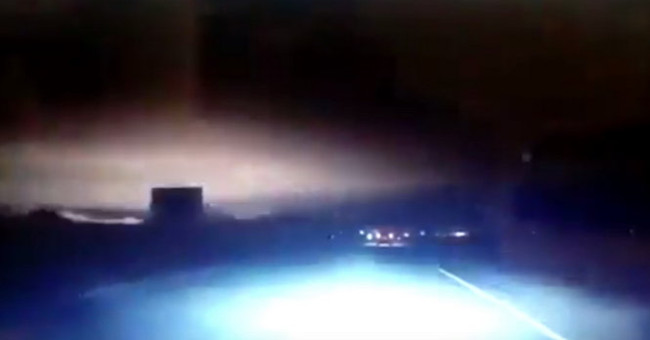
On the night of December 6, a meteorite fell on Beysky region in Khakassia, southwestern Siberia (Russia), causing the night sky to glow as day.
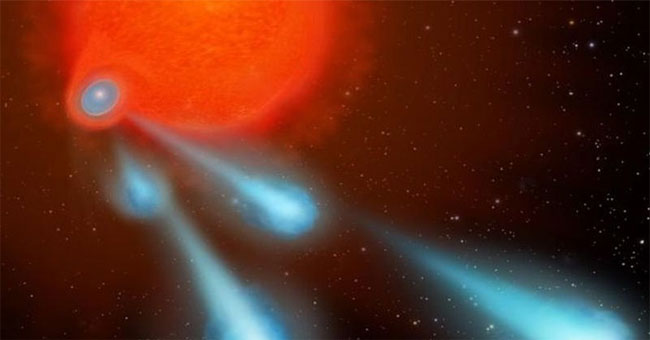
Scientists discover giant plasma spheres that are launched at lightning speed near a dying star.
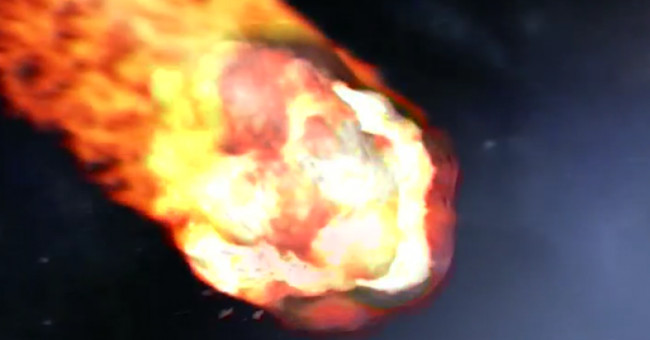
The people of Queensland, Australia were extremely frightened when a giant meteorite stabbed into the sea causing a slight shaking.
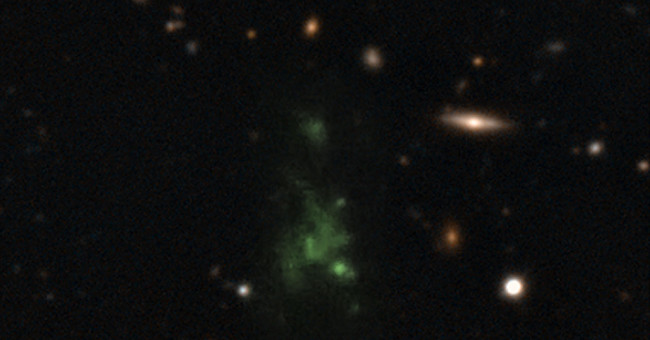
The reason why the blobs in the universe become bright is due to the formation of new stars within it.
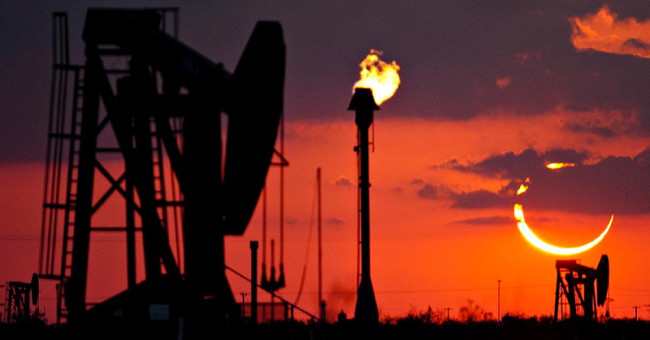
Astronomers in Central Africa, Madagascar and the South Indian Ocean will have the opportunity to see this amazing astronomical phenomenon.
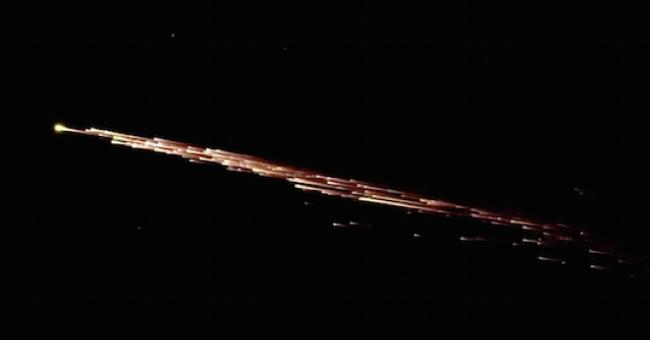
A glowing fireball flew through the California state night on the night of July 27, causing a fever on social networks, finally identified.
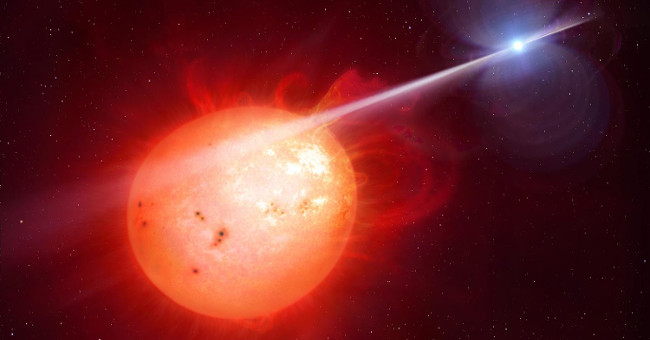
Beyond that vast universe, at the Scorpius constellation (Scorpius), 380 light years away, there is an extremely strange star. Star named AR Scorpii.
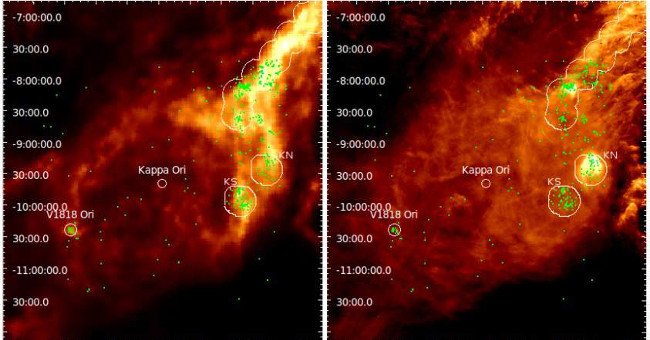
Scientists have discovered a strange star ring around the super-star Kappa Ori.
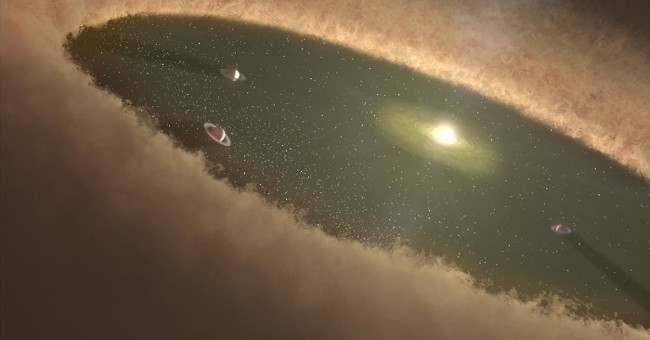
The latest image shows the close-up of the planet Lk C15, which gave birth to scientists.
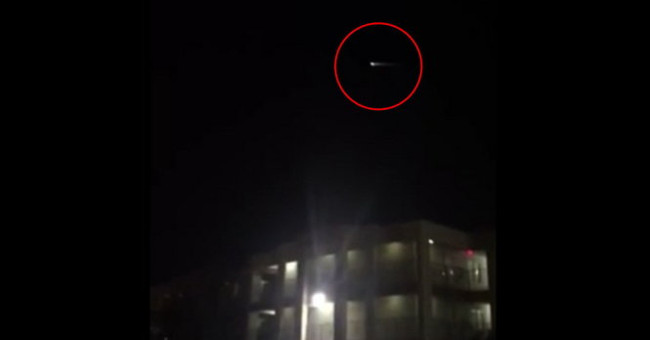
This giant object is seen in the night sky near Las Vegas, Nevada on December 22 (local time, ie December 23, 2010). Witnesses believe this is a meteorite.
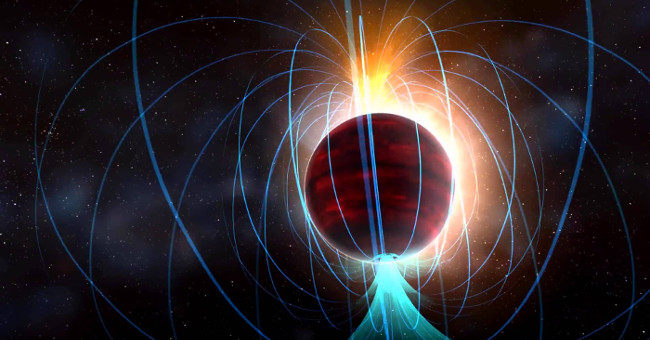
The tiny star that shines 10,000 times the Sun can hinder or disrupt the evolution of life on planets orbiting it.
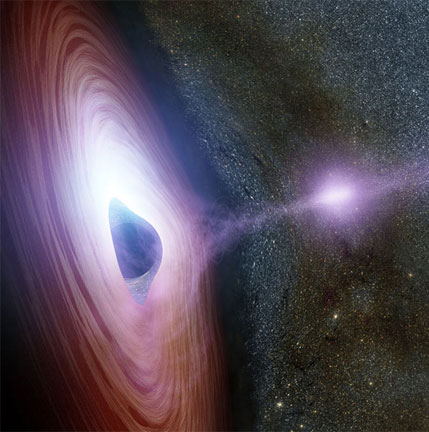
Astronomers from the US Aeronautics Agency (NASA) discovered corona halo containing high-energy particles that are responsible for glowing black holes.
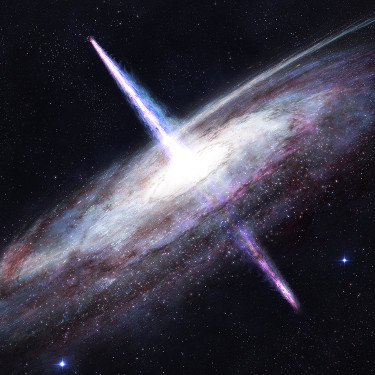
The fact that some concentrated black holes exceed even the stars around them, can be seen clearly in the Hubble telescopes.
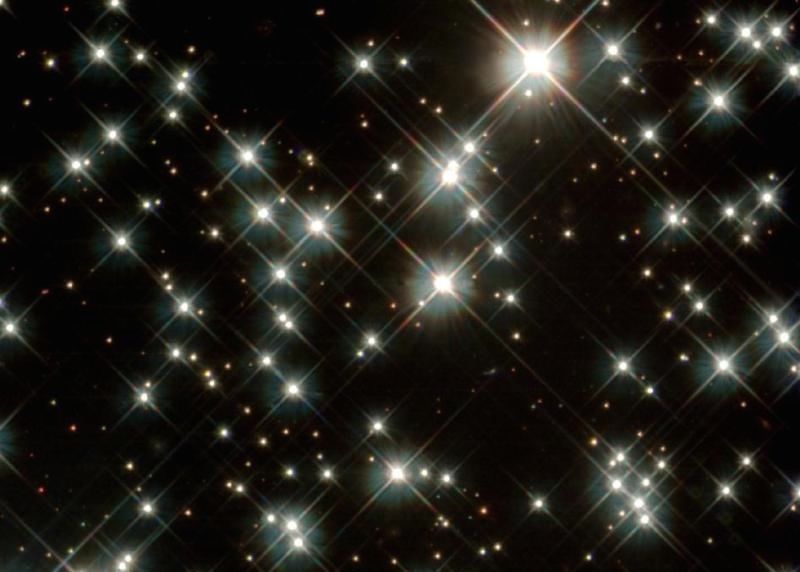
When we look up at the starry sky, we will discover that, among countless stars, there is a light, a dark one, their brightness is very different.